


Proactive Chat: Benefits, Examples, Best Practices and More
- December 21, 2025
- 15 mins read
- Listen

Why do visitors leave your website even after spending time browsing? Most times, they have a simple question but no quick way to ask it. When help does not show up at the right moment, interest fades fast.
Proactive chat helps businesses reach out early, guide visitors, and remove doubts while they are still engaged. It turns silent hesitation into real conversations.
In this blog, you will explore how proactive chat works, how it compares to reactive chat, and how businesses use it to keep visitors interested, build trust naturally, and turn visits into confident decisions.
What Is Proactive Chat
Starting a conversation with a visitor before they even ask for help is called proactive chat. It lets you step in when someone looks unsure or stuck and offer proactive customer service.
A small prompt like “May I help you?” opens the door for support. Many visitors don’t ask on their own, so this conversation helps a lot.
When they see this question, they carry on the conversation. Through this, visitors get their answer, and they feel confident about buying.
Difference Between Proactive Chat and Reactive Chat
Well, you will find many differences between proactive and reactive chat, and you must know the major differences. So, the differences are:
| Key Difference Area | Proactive Chat | Reactive Chat |
| Definition | A way to reach customers before they ask for help | A way to assist customers after they ask for help |
| Customer Interaction | You start the conversation and guide customers early | Customers start the conversation when they need help |
| Timing | Support appears before an issue shows up | Support begins after an issue happens |
| Purpose | Offers suggestions, direction, and smoother browsing | Helps with troubleshooting and answering questions |
| Conversions | Often leads to higher conversions because help arrives at the right moment | Conversions are lower because customers may already be unsure or frustrated |
| Customer Retention | Lower chance of losing customers since you’re present at key moments | A higher chance of losing customers if they leave before reaching out |
| Experience Style | Feels helpful and timely when done well, but can feel intrusive if overused | Feels natural because the customer chooses when to talk |
| Business Focus | Anticipates needs and prevents future issues | Responds to existing problems and clears them quickly |
Why Modern Customer Service Requires Both
A business should use both proactive and reactive chat to provide the best modern customer service. Proactive chat helps customers by sending texts early. This also prevents small issues from turning into big problems.
On the other hand, reactive chat is also important for a business’s customer service, as people reach out when they need help.
So, if both work together, the customers get a faster answer and solution. They get a smooth experience from start to finish. For your business, try to implement both to provide better customer service.
How Does Proactive Chat Work?
Well, proactive chat follows a proper working process. So, it works:
- Monitor Visitor Activity: The system quietly follows what visitors do, like how long they stay on a page or if they pause during checkout
- Creates Simple Triggers: You set rules for when a chat should open. For example, if someone keeps checking the same page or seems stuck on a form.
- Shows a Friendly Message: When the trigger happens, a small chat pops up asking if they need any help.
- Starts a Quick Chat: The conversation immediately begins when a visitor replies. It means they get expected support without any waiting.
- Moves to Bot or Agent: Try an AI bot or LiveChat so that the chat becomes smooth.
Importance of Proactive Chat
Well, for a business, proactive chat is important. To increase sales, build trust, and reduce abandoned carts, a business needs proactive chat. You will find thousands of reasons that prove proactive chat is important.
Here, you will learn about the top 5 reasons for the importance of proactive chat.
Drives Engagement Before Customers Ask
Proactive chat lets you reach out in a friendly way before customers feel unsure. A simple hello feels natural and helps them feel welcome, just like someone greeting them in a real store.
Helps Reduce Bounce and Cart Abandonment
When a visitor slows down on a page, proactive chat steps in with quick help. It answers small questions that might stop them from buying and gently keeps them moving forward. This reduces the number of abandoned carts.
Strengthens Customer Experience Across Journeys
Proactive chat makes the whole visit smoother. It helps customers find what they need, gives updates when they want them, and keeps their journey clear and comfortable.
Open More Chances to Sell
When a customer is looking at something, you can suggest something useful. If they feel confused, your suggestion will help them out. This works as helpful guidance, and it opens more chances to sell.
Builds Trust Through Timely Support
When you offer support right after a customer visits your site, it shows you care about them. So, they feel supported and begin to trust your business. This means they keep coming back.
Key Benefits of Proactive Chat for Businesses
You will get many benefits from proactive chat. However, here you will learn about the top 6 benefits that help you achieve business goals. Read to the end to learn about these benefits here.
Helps You Understand Customer Needs
When a business starts the conversation by sending a text first, this gives a clearer picture of the customer’s need. Their enquiries, comments, and topics reveal what they like, their confusion, and also their expectations. By understanding their needs, you can offer the right services.
Reduces Support Workload
Well, proactive chat can answer common questions early, which clears customers’ common confusion. So, many customers usually don’t reach the full support stage. This reduces the workload for your team. As a result, they can give more time to handle complex issues of customers.
Keeps Visitors Engaged
If a quick message has been sent from the business end at the right moments, this keeps the visitors engaged. This works as a reminder to the customer that help is always there. So, they feel excited to continue exploring without leaving the site.
Makes Online Shopping Feel Personal
Online browsing gets a human touch through proactive chat. A warm greeting makes the customer experience more personal. This works as a friend who guides and helps the customer.
Supports Marketing and Sales Campaigns
You can use proactive chat to welcome visitors from special campaigns, offer limited-time deals, or highlight new items. It helps you guide people to the right place and increases the impact of your marketing efforts.
Faster Problem Detection
Proactive chat helps you notice issues early. If a customer slows down on a page or seems unsure, you can step in before the problem becomes frustrating. Solving things quickly leads to a smoother visit and fewer abandoned interactions.
How to Set Up a Proactive Chat Strategy
Now, you must follow a process to set up a proactive chat strategy. With this strategy, you can bring success by ensuring the best customer service.
The process for setting up this strategy is:
Define the Right Triggers
Start by choosing the actions that will open a proactive chat. Check how long a visitor stays on a page, what they like to see, and when they leave. Use details of your visitor’s location or returning visit. Reaching your target audience becomes easy at the right time with these signals.
Create the First Batch of Messages
Write short and friendly messages. Use simple words. Match the message to the page the visitor is on. A welcome message can offer help. A product page message can answer feature questions. A checkout message can offer support to finish the order. Keep it clear and human.
Set Rules for Agents and AI
Decide what AI can handle and when a live agent should join. AI can answer common questions. Agents should take over complex issues. Make sure agents can see the full chat history.
Test and Optimize Campaigns
Review results often. Check which messages get replies. Change timing or wording if needed. Small changes can improve results over time.
Top 5 Examples of Proactive Chat
With an example, you can understand the proactive chat better. Here, you will learn about the top 5 examples of it. So, let’s explore these 5 examples together.
Welcome Messages
A friendly welcome message helps visitors feel comfortable right away. A simple line like “Hi! Need help finding anything?” is enough. Many online shoppers like the proactive chat messages while browsing. So, yes, a warm welcome makes the users feel better.
Product Recommendations
When someone views multiple products, proactive chat can guide them with useful suggestions. Messages like “You might also like this item” help users decide faster. Most of the customers complete a purchase when they get real-time support.
Pricing Page Assistance
Pricing pages often cause hesitation. If a visitor stays there for a while, offer help choosing a plan. A report says that 82% of customers expect an immediate response to sales or support questions, so proactive help on pricing pages can prevent drop-offs.
Exit Intent Messages
Exit intent messages appear when users are about to leave the site. A short message like “Can I help before you go?” can make a difference. A study shows that the average cart abandonment rate is 70.19%, which highlights why timely chat support matters.
Returning Visitor Messages
Returning visitors are often closer to making a decision. A message like “Welcome back! Need help today?” adds a personal touch. Keep in mind that customers who feel recognized love to move forward.
Best Triggers and Locations to Launch Proactive Chat
Knowing the best triggers and locations is a must to launch better proactive chat. So, they are:
Time Spent on Page
Visitors staying longer on a page often feel unsure or want more clarity. A gentle proactive chat can guide them without pressure. A short help message keeps the experience smooth and supportive. In a proactive channel in omnichannel for customer service, this feels natural and well-timed.
Cart or Checkout Page
Cart and checkout pages show strong buying intent. Many visitors pause due to payment, delivery, or final cost concerns. Here, the proactive message meaning is simple. Offer help before frustration builds. A clear and friendly message can push them to complete the order.
Browsing History or Past Orders
Returning visitors usually have clear interests. Past views or previous purchases help shape a relevant message. This creates a personal touch and saves time. The chat feels helpful, not intrusive.
High-Intent Pages (Pricing, Contact, Demo)
Pricing, contact, and demo pages signal serious interest. Visitors often need quick answers to move forward. Proactive chat here removes doubt and builds confidence at the final stage.
5 Best Practices for Effective Proactive Chat
Learning about the best practices for effective proactive chat will bring success to your business. So, these 5 best practices are:
Send Messages at the Right Moment
Good timing makes proactive chat useful. Let visitors explore first. Send a message after they spend some time on a page. This shows interest, not pressure. HubSpot reports that live chat can increase conversions by up to 20% because help arrives at the right time.
Keep Messages Short and Clear
People prefer quick answers. One short sentence works better than a long message. Clear chat feels easier and faster. A recent study says that 73% of customers feel more satisfied with chat than other support channels.
Personalize Based on Visitor Intent
Personal messages feel more helpful. Use page views or past actions to guide the chat. A pricing page needs clear answers. A product page needs simple guidance.
Avoid Being Pushy or Interruptive
Too many messages can annoy visitors. One friendly message is enough. Let users choose to reply. This approach fits well in a proactive channel in omnichannel for customer service and builds trust.
Test and Improve Your Messages Regularly
Track clicks and replies. Change timing or wording if needed. Small updates can improve results. Most people prefer chat because they find it simple and easy to share what they want.
Proactive Live Chat Software: A List of the Best Solutions
Now, you may be looking for the tools that offer proactive chat and proactive live chat. So, here you will get a list of the total 5 best solutions. You can choose any of these tools that suits you.
Let’s explore the list here.
1. REVE Chat
REVE Chat helps businesses reach visitors at the right moment with proactive messages, real-time monitoring, and guided support. It brings chat, voice, video, social messaging, and WhatsApp into a single inbox so teams can respond quickly and clearly.
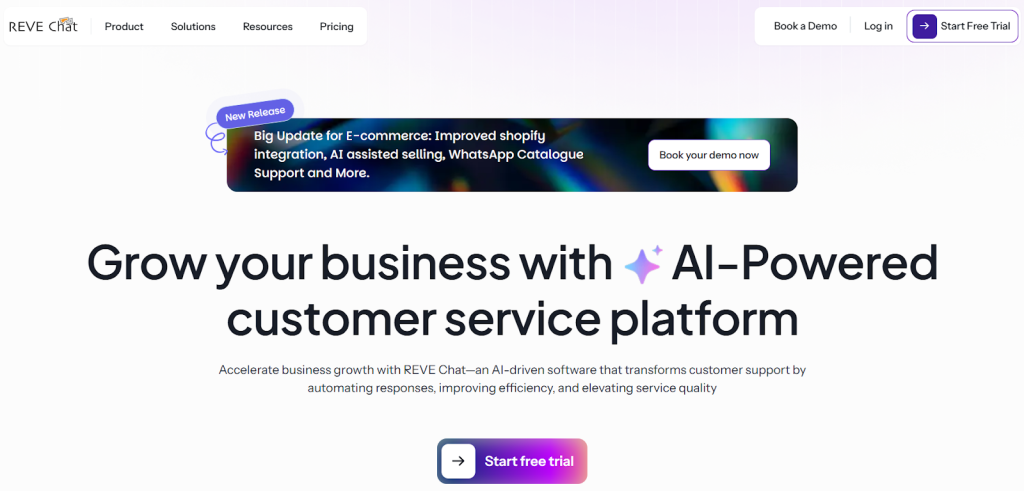
With features like co-browsing, intelligent triggers, visitor tracking, and visual flow builders, REVE Chat lets teams connect with customers before doubts grow. It also supports smooth handovers from automation to agents when more help is needed.
Why REVE Chat leads the list
- Proactive messages based on visitor behavior
- Unified inbox across web, social, and messaging
- Real-time visitor insights and targeted campaigns
- Co-browsing and guided support tools
- AI chatbot answers common customer questions instantly
- Helps boost engagement, leads, and conversions
Best for: Ecommerce solution, service-oriented teams, and growing businesses.
2. Tidio
Tidio helps online stores reach shoppers when they hesitate or browse key pages. It uses simple triggers to send proactive messages that answer questions and guide visitors.
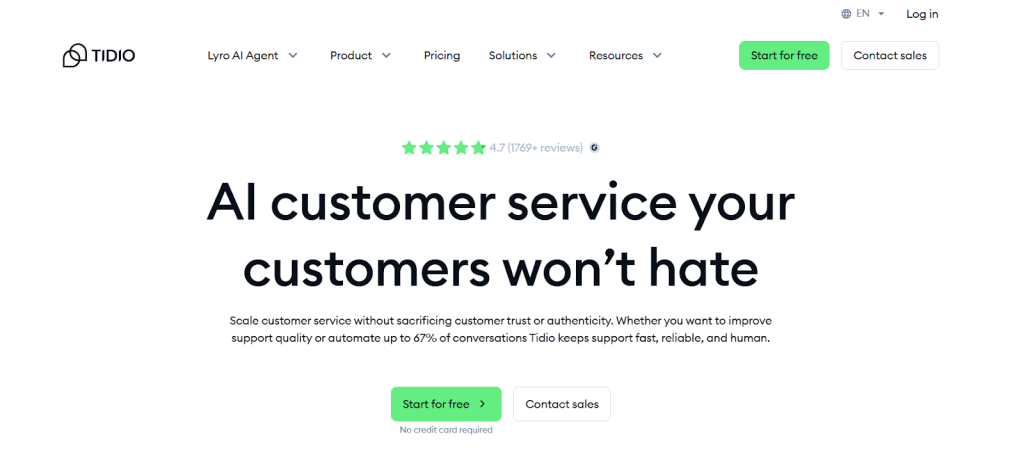
Tidio also includes a live visitor list so teams can see who is on the site and reach out when needed. The platform blends chat, automation, and visitor tracking to keep conversations helpful and timely.
Why Tidio works well
- Built-in chat triggers for ecommerce
- AI chatbot for common questions
- Live visitor tracking
- Easy setup and use
- Free plan available
Best for: Small to mid-sized ecommerce businesses.
3. Zendesk
Zendesk offers proactive messaging as part of its complete support suite. Teams can set up conversation flows that reach visitors before issues grow. The platform shows real-time visitor activity and helps agents respond with context.

With multi-channel support and advanced tools, Zendesk fits businesses that manage high volumes of customer interactions.
Why Zendesk fits larger teams
- Proactive messaging with guided conversation flows
- Visitor behavior tracking
- Support across web, mobile, and social
- Strong reporting and workflow support
- Works with full help desk tools
Best for: Mid-sized and large businesses with complex support needs.
4. HubSpot
HubSpot integrates directly with the HubSpot CRM, so every visitor interaction connects to customer data. Teams can send welcome messages based on visitor actions and segment chat invitations by behaviour. This lets marketing, sales, and support teams work together smoothly.

Why HubSpot Live Chat makes sense
- CRM-linked chat data
- Targeted proactive messages
- Chatbot options for common FAQs
- Customizable chat widget
- Free plan available
Best for: Teams that value CRM connection and lead nurturing.
5. LiveChat
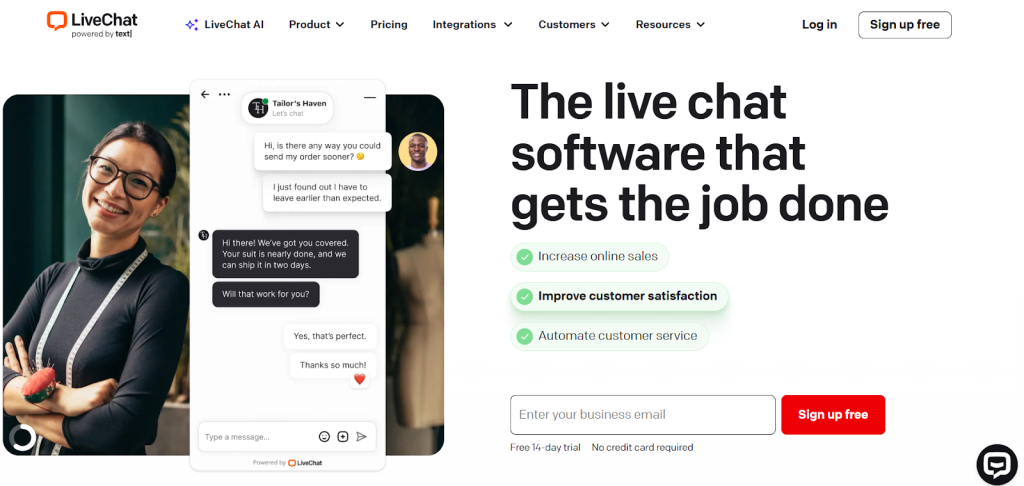
LiveChat focuses on fast, clear conversations with visitors who need help or are ready to buy. It lets teams send invites based on activity, time on page, or inactivity. With features like canned responses and agent supervision, LiveChat keeps support smooth and responsive.
Why teams choose LiveChat
- Proactive chat invites based on visitor behavior
- Real-time messaging
- Canned responses to save time
- Agent performance tracking
- Reliable and easy to use
Best for: Teams prioritizing live support and quick responses.
Metrics to Track for Proactive Chat Success
You must learn about the metrics so that you can track your success. With metrics, you can see what is working and what is not. So, what to check here?
Here, you will get a list that you can check to define your success. So, the metrics you should check are:
Engagement Rate
Check the engagement rate first and see how many visitors respond when your text pops up. If this rate is high, it means your proactive chat is doing well; if the rate is low, it means you need improvement. So, track the engagement rate to improve triggers.
Conversion Lift
Conversion lift tells you how much proactive chat boosts actions like sales or sign-ups. Compare visitors who chatted and those who did not. When proactive chat is placed well, it can help more people complete their journey on your site. A study shows that 44% of online shoppers like a chat invitation while searching for or buying a product.
Cart Recovery Rate
This measures how many people return and buy after a proactive message when they were about to leave their cart. If this rate improves, your proactive channel in omnichannel for customer service is helping reduce lost sales. Watching this number tells you if your messaging at checkout is working.
Response Satisfaction
Ask users to rate their chat experience right after the conversation. Good scores mean issues were solved quickly and clearly. This metric connects directly to real customer feelings about your support.
Cost Reduction
Tracking cost reduction shows how proactive chat lowers support expenses. Less time resolving repeated issues means your team spends time on the tricky questions and saves money. When chat helps early, it reduces overall workload and improves service quality.
End Note
Finally, proactive chat helps businesses guide customers at the right time. Simple proactive chat examples show how early support clears doubts and keeps visitors engaged.
When used as a proactive channel to offer good customer service, it brings faster answers. Proactive chat tools will help your business to offer the best service to your customers.
Looking for better proactive chat support? Start with REVE Chat to reach visitors early and help them when it matters. Sign up today for a free 14-day trial.
Frequently Asked Questions
Proactive chat works best when visitors show signs of hesitation. This can happen when they stay on a page for a long time, scroll back and forth, or pause during checkout. These moments usually mean they have a question but are unsure how to ask. Reaching out then feels helpful and well-timed, not forced.
Yes, if it appears too quickly or pops up again and again. One friendly message is usually enough. When proactive chat respects the visitor’s space and timing, it feels like support rather than a sales push.
Proactive chat is not better or worse. It simply serves a different purpose. Proactive chat prevents confusion early, while reactive chat helps when users clearly ask for help. Together, they create a balanced and comfortable support experience.
It often does. Many visitors leave because small questions stay unanswered. Proactive chat clears those doubts instantly, which helps visitors feel confident and move forward with their decision.
Yes, even small teams can benefit. Simple welcome messages or checkout help can reduce drop-offs. You do not need complex setups to see real value.
AI works well for quick answers and common questions. Live agents are better for detailed or sensitive issues. Using both keeps conversations smooth and natural.