




Table of Content
In the competitive marketplace, new businesses are springing up and the power is solely in the hands of customers to choose the brand, which is why understanding customer satisfaction is critical to ensure your long-term success. Hence, customers should be the focal point of every business.
Customer satisfaction is essential to keeping your current customers and retaining new ones. As dissatisfied customers are a great retention risk, losing them will impact your brand.
70% of the customer’s journey is based on how the customer feels they are being treated. So what are the factors affecting customer satisfaction? How do you improve it?
With increasing evidence that customers are the backbone of businesses, they should be obsessed with their customers. It means constantly listening to customers, and then continuously enhancing, and personalizing the customer experience to increase customer satisfaction.
Collecting customer satisfaction data can help your company determine what is working well with your products, services, and internal processes, and what you need to improve or change completely.
What is Customer Satisfaction?
Customer satisfaction is defined as how happy your customers are using your company’s products or services. It can also be reflected in how they rate your business and how they refer it to their friends or families.
Improving customer satisfaction is an important part of your business to maintain or enhance your customer relationships. It reflects the degree to which you have managed to provide a customer experience that meets expectations.
Customer service satisfaction is measured by understanding how your customers interact with your brand and collecting their feedback through surveys using different channels. You can use satisfaction metrics such as NPS (Net Promoter Score), CSAT (Customer Satisfaction Score), or CES (Customer Effort Score) to know how your customers feel.
How Improving Customer Satisfaction is Significant for Your Business?
Putting efforts towards increasing customer satisfaction is the primary step towards elevated customer experience. With the rising competition, acquiring new customers can cost five times more than retaining an existing customer.
Thus, it makes sense for you to invest in how to enhance customer experience and focus on delighting existing customers. In return, you will increase their lifetime value.
Here are four solid reasons why increasing customer satisfaction is beneficial for your brand.
- Reduce customer churn – When you resolve customer queries proactively with the help of self-service options or real-time engagement tools, customers are more satisfied and there is a reduction in the churn rate.
- Increase customer lifetime value (CLTV) – The satisfied customers turn out to be your loyal customers and are associated with your business for a longer time. By understanding the customer experience and measuring feedback across all touchpoints, you can increase your CLTV.
- Improve branding – 92% of people trust recommendations from friends and family over any other type of advertising. Happy customers turn out to be your best brand advocates and share their positive experiences with positive word of mouth that enhances your branding.
- Boost customer loyalty – Repeat customers spend 67% more than new customers. When customers are satisfied with your product and services they eventually become your loyal customers.
21 Practical Ways to Improve Customer Satisfaction and Boost Loyalty
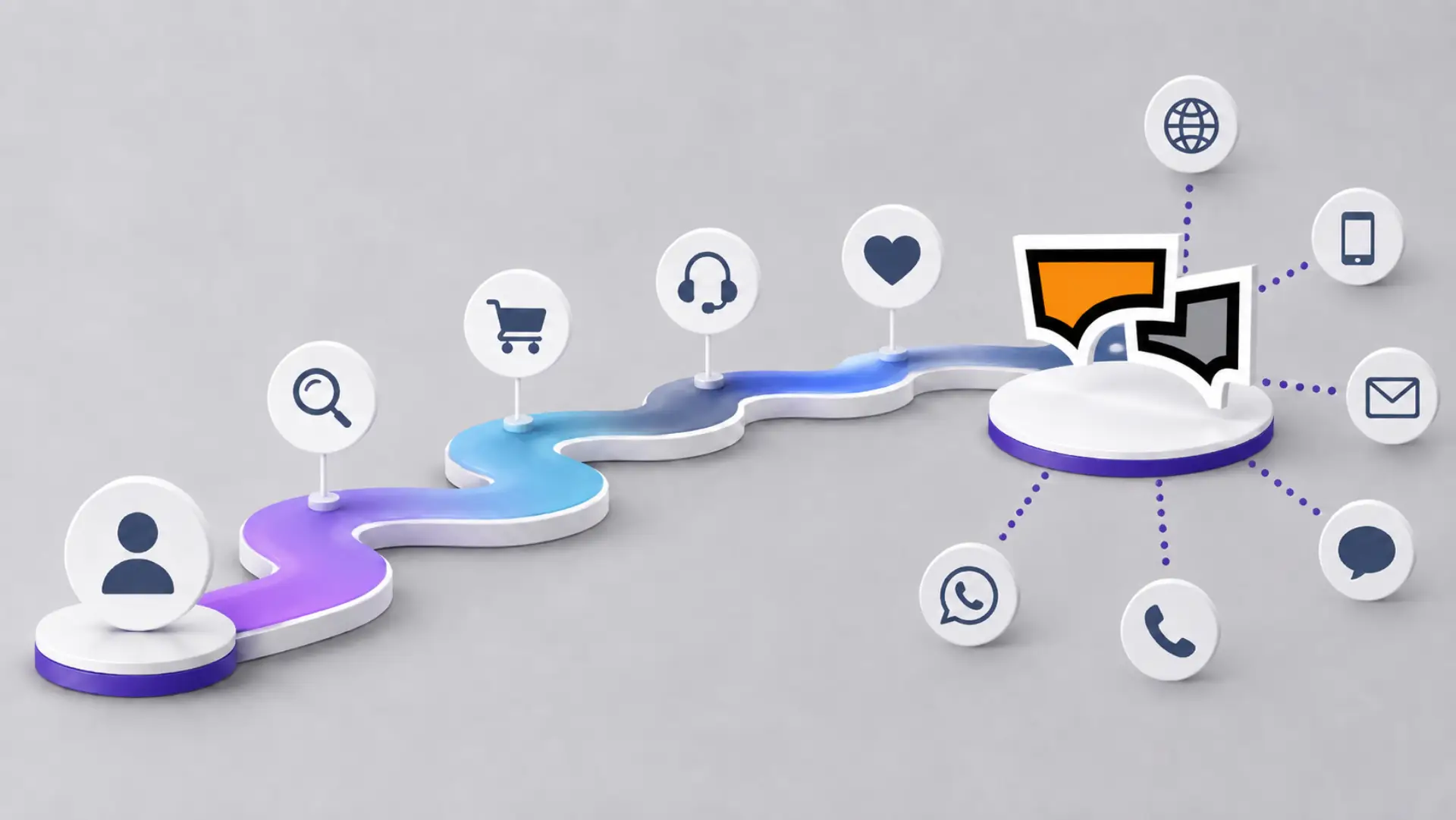
An effective way to kickstart your customer satisfaction strategy is to build a blueprint of the customer journey and touchpoints that can happen across the journey. The action steps below will help your business to supervise the end-to-end experience you will deliver to customers. The customer satisfaction tips also highlight the areas for improvement in the CSAT surveys.
Let’s get started on understanding the ways to increase customer satisfaction.
1. Understand your customers
Understanding customer psychology should be the focal point of every business and meeting their needs will help to deliver a better experience. When businesses operate under a cyclical process of anticipating, identifying, and meeting customer needs, you can expect quick positive results.
Knowing your customer’s preferences, and interests helps you to connect through personalized conversations that strengthen your relationship. 48% of customers expect specialized treatment for being loyal customers. When the customers are satisfied, they turn out to be the best brand advocates sharing their success stories and experiences.
How does anticipating customer needs help to improve customer satisfaction?
- Customers feel valued, listened to, and cared about their wants, and feel assured that the same will not be repeated in the future.
- Understanding customer behavior and emotions helps to provide a higher level of intuitive support.
- Having knowledge of the concept helps you build your products & services to match customer needs and interests.
2. Deliver omnichannel support
In simple terms, omnichannel customer support means “be where your customers are”. Omnichannel support helps businesses to streamline all the conversations across all channels like text, social, email, and instant messaging and seamlessly engage your customers over their preferred channels breaking all the silos.
Omni-channel communication gives you the opportunity to serve your customers’ consistent support across all the touchpoints and not only delivers a unified brand experience but also boosts your brand credibility.
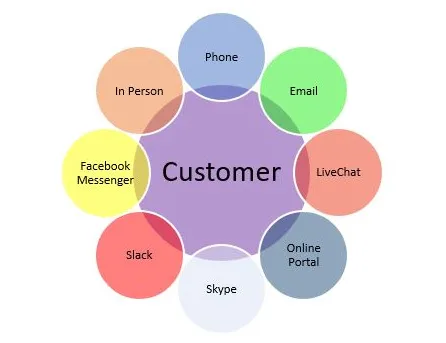
How to increase customer satisfaction by delivering omnichannel support?
- Streamline all the conversations and manage them under a single platform.
- Connect with the customers in real time and reduce the average response time.
- Improve customer satisfaction with a high first contact resolution (FCR) rate.
- It helps to gain valuable insights into the customer profiles by analyzing their journey.
- Businesses can build trust and credibility through consistent experience across all channels.
Oasis’s Instagram account is an excellent example of a social engagement point of view. It created a special gallery of user-generated Instagram content, substantially encouraging customers to model the clothes they have bought from the Oasis store.
3. Provide instant response with live chat
Generally, customers leave your site if their questions or concerns are not addressed quickly. The two most common customer service frustrations are: waiting for sales or support assistance and being put on hold for a long time.
Response time is an important component to increase customer satisfaction. 89% of consumers say the number one factor that leads to a great customer service experience is having their issues resolved quickly.
How does live chat help businesses increase customer satisfaction?
- Personalized triggers – Your agents can figure out that the customers are having some queries and assist them before they make any support requests with personalized triggers.
- Route chats automatically – You can automatically route your chat request to the right agent or department for an expert solution and reduce the wait time.
- Start a proactive conversation – Live chat allows you to initiate a proactive conversation with customers and help them throughout their journey.
When it comes to providing instant responses, there is nothing better than AI-powered customer support tools. Start a free trial of the chatbot and deliver quick responses to customer queries.
4. Maintain customer service etiquette
The Global State report says,” 62% of consumers worldwide mentioned they have stopped doing business with a brand after a poor customer service experience”. Every business should set ground rules for how to communicate with its customers. This is what helps to increase customer satisfaction and long-term customer relationships.
You should train and educate your employees on how to interact & communicate with customers to deliver excellent customer service.
Tips to delight your customers
- Use positive words & phrases – Choosing words while interacting with customers determines the impression it creates. By using the right words you can win customers. You can use words like my apologies, you’re welcome, etc.
- Listen actively to your customers – Listening is one of the best ways to start to serve your customers. It helps to identify what exactly your customers want, their opinions, feedback, etc.
- Offer gratitude – A sincere thank you goes a long way. Train your customer support team to offer gratitude at the end of the conversion as a core principle of customer service etiquette.
- Maintain transparency – You should always impart authentic information about your product or services to avoid future confusion. Make sure that you don’t make fake commitments and set customer expectations that will break their trust and loyalty.
5. Help your customers help themselves
Self-service support works well as one of the alternative methods to reduce the customer service gap. In fact, 40% of consumers now prefer self-service over human contact.
It is most often deployed in the form of user forums, videos, tutorials, a comprehensive knowledge base, etc. The benefit of having self-service portals is to improve team productivity. By providing a hub of information, you allow customers to assist and educate themselves on their own terms & pace.
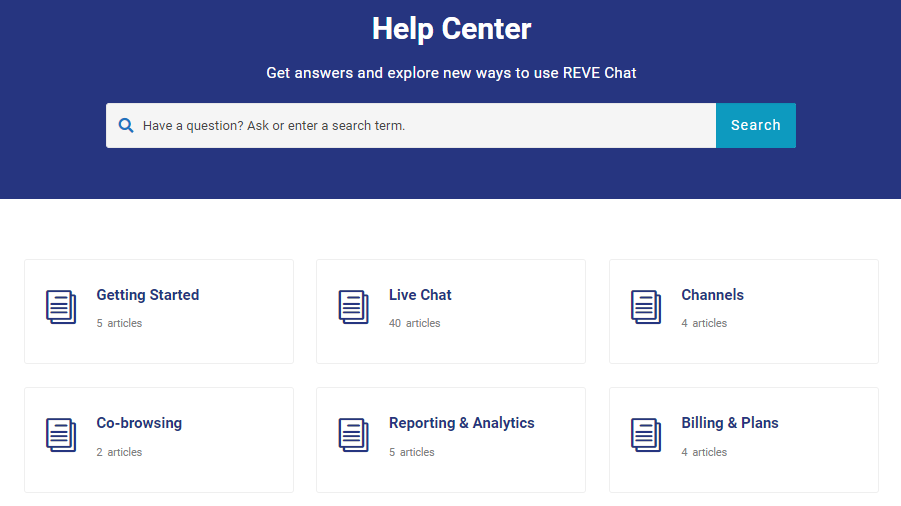
How self-service can be an effective way to improve customer satisfaction?
- These options allow the customer the ability to actively seek out the specific information they need without having to wait on hold forever.
- Self-service equals happier customers as it provides options to solve the problem faster and easier.
- You can provide pro tips to customers to get the best value out of products, learn about product upgrades, and receive upgrades or newer versions.
- Customers can share feedback about products & services giving you a chance to improve them.
- Self-service is available around the clock. Customers do not have to wait for the support team to get the solution.
6. Act on negative reviews & customer complaints
Reviews have created a new communication that bridges the gap between traditional word-of-mouth and a viral form of feedback that can influence consumers’ opinions. 72% of customers won’t take action until they read reviews.
Analyzing reviews left to you by customers helps with respect to overall customer satisfaction, as they can provide your business with feedback regarding what your customers truly want.
The businesses that can turn their customer complaints into opportunities for building closer relationships with customers are the ones that are most likely to grow.
Key customer satisfaction strategies
- You should keep a regular check on the reviews and comments made by your customers.
- Act proactively upon the reviews or complaints and fix them successfully as soon as possible.
- Convey to your customers that their complaints have been listened to and resolved.
7. Engage customers 24×7 with chatbots
One of the primary reasons why chatbots are becoming incredibly popular is to increase customer satisfaction, which can enhance business sales and profits. Bots are always active in engaging customers by answering their simple queries and pre-qualifying leads by asking relevant questions.
34% of consumers preferred to communicate with artificial intelligence in an online retail situation. Bots can engage customers across websites, applications, and messaging apps and improve customer satisfaction scores.
How to achieve customer satisfaction by using chatbots?
- 24×7 support – You can engage your customers 24×7 to answer their simple queries and increase customer satisfaction.
- Reduce the number of support tickets – When the queries are answered without human support the number of support tickets raised reduces significantly.
- Collect customer information – Use bots to automate the repetitive tasks of collecting information at the start of any conversation and direct the complex chat to the right team or another self-service option.
- Build trust in customers – Chatbots have the ability to aggregate preferences gleaned from past customer service encounters and apply them to current & ongoing customer interactions.
- Easy scalability – Bots can be easily scaled when there is a sudden rise in traffic volume or your team is busy without extra costs to meet customer requests endlessly.
Dominos has built a Facebook chatbot to make the ordering process faster. The famed restaurant offers the easiest way to order a pizza from “Anywhere”. They are making their chatbot widespread and expanding its capabilities.
Domino’s is leveraging the chatbot capability to introduce an entirely new shopping paradigm. The main idea behind this frictionless experience is to provide customers what they want in just a few steps.
8. Provide real-time assistance with visual tools
Real-time assistance is one of the key drivers of customer satisfaction. By using live engagement tools you can connect with customers instantly without letting your customers wait for a long time.
The chat conversations can be made interactive by using face-to-face video chat and co-browsing for better customer service. Combining live chat with co-browsing and video chat helps resolution of the query in a meaningful manner.
Customer satisfaction best practices
- Faster real-time resolution – Live tools such as video chat and co-browsing help to identify the issue faster by collecting the information and providing faster solutions to customers.
- Improves first contact resolution – With live tools, the problem can be diagnosed appropriately in the first contact issue by direct chatting and collaborating with the customer browser. This reduces the multiple touchpoints made by the customer.
- Personalized communication – Face-to-face communication allows friendly personalized conversations that build trust and credibility in customers.
- Better experience across the customer journey – With the live tools, you guide your customers across their entire lifecycle starting from awareness, acquisition, engagement, and retention. It enables customers to make quick decisions that improve their satisfaction.
9. Measure your customer satisfaction regularly
According to the McKinsey study, “70% of the buying experiences are based on how the customer feels they are being treated”. Measuring customer satisfaction is vital for all kinds of businesses. It provides valuable insights into what works and provides opportunities for optimization.
How to improve customer satisfaction scores?
- Measuring customer satisfaction metrics gives you valuable insights into your overall business performance. Based on the insights you can enhance the areas you are doing well and improve the areas having loopholes.
- You know what your customers are complaining about and work on them. Keeping your customers happy with your products or services will reduce your customer churn.
- By understanding the customer experience and measuring feedback across all touchpoints, you can understand the key drivers to increase your CLTV.
In order to improve customer satisfaction scores, you have to measure it by choosing the right metrics used to analyze the CSAT score in the overall customer journey.
Key customer satisfaction metrics to evaluate & improve satisfaction scores
- Customer Satisfaction Score (CSAT) – This metric is a kind of survey that asks a basic question to customers i.e. “How would you rate your satisfaction with our product or service?” across different channels such as live chat, email, etc.
- Net Promoter Score (NPS) – NPS measures the overall customer experience with the help of the key question i.e. “How likely is it that you would prefer the brand to others?”. It has an index on a scale from 1 to 10.
- Customer Effort Score (CES) – With the CES metric, you can ask customers to evaluate their experience with their products and services.
10. Value your customer feedback
Businesses that are obsessed with their customers in terms of pleasing them and valuing their opinions, make them loyal to your brand. Learning customers’ views is important to deliver the best customer experience.
Feedbacks help to identify the gaps between customers and businesses. Customers appreciate it when their voices are heard. The simple acknowledgment that a company is receptive to feedback that will be implemented can be a catalyst for repeat business.
Measuring CSAT helps you to know your current position and the areas you need to improve. Collecting feedback and acting on it is the best way to increase customer satisfaction.
Here are some customer satisfaction tips:
- Customers feel their contribution has been valued when they see feedback leads to actions.
- Acting on customer feedback helps to instill loyalty in existing customers, which increases their lifetime value.
- Customers who have a positive experience with your brand can become your best advocate.
11. Empower your team to go the extra mile to delight customers
Why is empowering the support team vital?
It gives authority to the support team to decide independently to make happy and satisfied customers. The team should be well-trained to identify and act on opportunities to enhance the customer service experience.
Empowering your team will allow them to perform together to make a move to deliver superior customer service and delight your customers.
Let’s see how Ritz Carlton empowered its team to go the extra mile and how this step proved vital in client retention management efforts.

Ritz-Carlton focused on customer service and gave its employees the authority to spend up to $2,000 per day to delight their guests with their service.
You can structure and incentivize your team so that your employees can work independently to resolve customer queries keeping themselves on their feet. Empower your reps by measuring the feedback collected and the total resolved queries that were assigned.
12. Build strong communities
Research says that businesses with online communities witness a 5.4x greater annual increase in customer satisfaction rates.
How exactly do you ensure customer satisfaction and get results? One very important way to engage customers, that many businesses tend to ignore, is building a customer community.
A community can exist as a dedicated space where customers can interact with you and with each other such as a LinkedIn Group, customer portal, or message board. But less defined community spaces, such as social media, can also be very effective.
- Creating a place dedicated to customers provides an avenue for them to ask questions, share tips, and provide you with feedback.
- Establishing a community space can enable you to better engage them, improve retention, and help them continuously see results using your product or service while allowing you to grow your business as well.
13. Analyze the Customer Journey to Find Friction Points
Improving customer satisfaction starts with understanding what customers actually experience across your website, app, support channels, and post-purchase journey. A customer may say they are unhappy with support, but the real issue might have started earlier: a confusing pricing page, a difficult checkout process, unclear onboarding instructions, or a missing help article.
Customer journey analysis helps you identify where users get stuck, what makes them frustrated, and which touchpoints need improvement. Instead of relying only on assumptions, businesses can review user behavior, support conversations, feedback forms, and product usage patterns to understand the complete customer experience.
How customer journey analysis improves satisfaction
- Identify pages or steps where customers drop off.
- Find repeated issues that create unnecessary support tickets.
- Understand which touchpoints cause confusion or delays.
- Improve onboarding, checkout, product adoption, and support workflows.
- Remove friction before it turns into dissatisfaction or churn.
For example, if customers repeatedly contact support after visiting your pricing page, the issue may not be your support quality. The real problem could be unclear plan information. By fixing the page, adding proactive live chat, or creating a helpful FAQ, you can reduce confusion and improve satisfaction before customers even ask for help.
Best practices to analyze the customer journey
- Map every major customer touchpoint from discovery to purchase, onboarding, support, renewal, and advocacy.
- Review live chat transcripts, chatbot conversations, tickets, and call notes to find recurring pain points.
- Use website analytics, heatmaps, or session recordings to understand where users hesitate or abandon actions.
- Ask customers short feedback questions at key moments, such as after checkout, after onboarding, or after a support conversation.
- Share journey insights with marketing, sales, support, and product teams so every department can improve the experience.
When you understand the real customer journey, you can make targeted improvements that directly increase customer satisfaction.
14. Create a Smooth Customer Onboarding Experience
Customer satisfaction does not begin only when a customer contacts support. It begins the moment they start using your product or service. A poor onboarding experience can make customers feel confused, unsupported, or unsure whether they made the right decision.
A smooth onboarding process helps customers understand your product faster, experience value sooner, and build confidence in your brand. This is especially important for SaaS, ecommerce, financial services, education, healthcare, telecom, and other industries where customers may need guidance before they can fully benefit from a solution.
How onboarding increases customer satisfaction
- Helps customers understand how to use your product or service.
- Reduces confusion and early-stage frustration.
- Decreases repetitive support requests.
- Improves product adoption and retention.
- Builds trust from the beginning of the relationship.
Ways to improve customer onboarding
- Send a welcome email with clear next steps.
- Provide a guided product tour or setup checklist.
- Offer short video tutorials for important features.
- Use chatbots or live chat to answer onboarding questions instantly.
- Assign a customer success manager for high-value or complex accounts.
- Schedule check-ins during the first few days or weeks.
- Share helpful resources based on the customer’s use case or industry.
The goal of onboarding is not just to explain features. It is to help customers achieve their desired outcome as quickly and easily as possible. When customers see value early, they are more likely to stay satisfied, loyal, and engaged.
15. Use CRM and Customer Data to Personalize Every Interaction
Customers expect businesses to remember who they are, what they need, and what they have already discussed. When customers have to repeat the same issue across multiple channels, satisfaction drops quickly.
A CRM or centralized customer communication platform helps your team store and access customer details, previous conversations, purchase history, support tickets, feedback, and preferences in one place. This makes every interaction faster, more relevant, and more personal.
How centralized customer data improves satisfaction
- Agents can view previous conversations before replying.
- Sales, support, and customer success teams can work from the same customer profile.
- Businesses can segment customers based on needs, behavior, or lifecycle stage.
- Teams can send more relevant messages, offers, and product updates.
- Customers receive consistent support across live chat, email, social media, WhatsApp, and other channels.
Customer data you should track
- Contact details and preferred communication channels.
- Purchase or subscription history.
- Previous support tickets and chat transcripts.
- Feedback, complaints, and satisfaction scores.
- Product usage or service history.
- Renewal dates, upgrade opportunities, or risk signals.
Personalization should not feel robotic or forced. It should make customers feel understood. Even small details, such as addressing the customer by name, remembering their last issue, or offering a solution based on their past behavior, can create a more satisfying experience.
16. Track Customer Health with the Right Metrics
CSAT, NPS, and CES are important customer satisfaction metrics, but they should not be the only numbers you monitor. To get a complete picture, businesses should also track customer health, retention, churn, lifetime value, first response time, first contact resolution, and customer sentiment trends.
A single score can tell you whether customers are satisfied at one moment. A broader set of metrics helps you understand why satisfaction is rising or falling and what action to take next.
Key customer satisfaction and customer health metrics
- CSAT: Measures how satisfied customers are after a specific interaction or experience.
- NPS: Measures how likely customers are to recommend your business.
- CES: Measures how easy it was for customers to complete an action or resolve an issue.
- Customer retention rate: Shows how many customers continue doing business with you over time.
- Churn rate: Shows the percentage of customers who stop using your product or service.
- Customer lifetime value: Helps you understand the long-term value of satisfied customers.
- First response time: Measures how quickly your team responds to customer queries.
- First contact resolution: Shows how often customer issues are solved in the first interaction.
- Sentiment score: Helps identify whether customer conversations are positive, neutral, or negative.
Best practices for using satisfaction metrics
- Track trends over time instead of looking only at one-time scores.
- Segment results by channel, product, customer type, or support team.
- Compare satisfaction scores with retention, churn, and revenue data.
- Review low scores and negative comments to identify root causes.
- Set one primary improvement goal at a time so your team stays focused.
- Benchmark your scores against your previous performance and, where possible, against industry competitors.
Metrics are useful only when they lead to action. After collecting data, identify the biggest drivers of dissatisfaction and prioritize improvements that will have the strongest impact on customer experience.
17. Analyze Customer Conversations and Social Sentiment
Every customer conversation contains valuable insights. Live chat messages, chatbot interactions, emails, call recordings, support tickets, reviews, surveys, and social media comments can reveal what customers love, what frustrates them, and what they expect next.
Instead of reviewing feedback manually, businesses can use conversation analytics and sentiment analysis to detect patterns at scale. This helps teams understand recurring problems, urgent complaints, product issues, and emotional signals before they become bigger risks.
Sources of customer insight to analyze
- Live chat transcripts.
- Chatbot conversations.
- Support tickets.
- Customer emails.
- Call center recordings.
- Survey responses.
- Social media comments and mentions.
- Online reviews.
- Community discussions.
How conversation analytics improves satisfaction
- Finds repeated complaints across different channels.
- Detects negative sentiment early.
- Helps supervisors coach support agents.
- Reveals product or service issues that need attention.
- Improves self-service content by identifying common questions.
- Helps teams respond faster to public complaints or social media issues.
For example, if many customers use phrases like “confusing,” “not working,” or “waiting too long,” your team can investigate the root cause and fix the issue before it affects more customers.
18. Build a Proactive Customer Communication Plan
Many businesses contact customers only when there is a problem. But proactive communication can prevent dissatisfaction before it starts.
A proactive communication plan keeps customers informed, engaged, and confident. It helps customers know what to expect, where to get help, and how to make the most of your product or service.
Ways to communicate proactively
- Send onboarding emails after signup or purchase.
- Share product updates, new features, or service changes.
- Notify customers about maintenance, delays, or known issues in advance.
- Schedule regular check-ins with important accounts.
- Send helpful tips based on customer behavior.
- Follow up after a support conversation to confirm the issue was resolved.
- Use WhatsApp, email, live chat, or in-app messages based on customer preference.
Why proactive communication improves satisfaction
- Reduces uncertainty and confusion.
- Builds trust through transparency.
- Helps customers feel valued and supported.
- Prevents small issues from becoming major complaints.
- Encourages customers to engage with your brand more often.
Proactive communication should be timely, relevant, and personalized. Too many generic messages can feel like spam, but the right message at the right time can significantly improve the customer experience.
19. Prioritize Feedback and Close the Loop
Collecting feedback is only the first step. Customers become truly satisfied when they see that their feedback leads to visible improvements.
Businesses should organize customer feedback, identify patterns, prioritize high-impact issues, and communicate what has changed. This creates a feedback loop where customers feel heard and teams continuously improve the experience.
How to prioritize customer feedback
- Group feedback by topic, such as pricing, onboarding, support, product bugs, delivery, or usability.
- Identify issues that affect many customers or high-value customers.
- Separate urgent problems from nice-to-have suggestions.
- Compare feedback with satisfaction scores, churn data, and support volume.
- Involve product, support, sales, and marketing teams in decision-making.
- Test improvements before rolling them out widely.
How to close the feedback loop
- Thank customers for sharing their feedback.
- Let them know when their issue is being reviewed.
- Inform them when a fix, update, or improvement is released.
- Share product updates or release notes that connect back to customer requests.
- Follow up with dissatisfied customers to see whether the solution helped.
When customers see that their opinions shape your product or service, they are more likely to trust your business and stay loyal.
20. Turn Employee Insights into Customer Experience Improvements
Your support, sales, and customer success teams speak with customers every day. They often know what customers ask about, where they get stuck, what they complain about, and what they appreciate most.
Businesses that want to improve customer satisfaction should not rely only on survey data. They should also collect insights from frontline employees and use them to improve processes, products, and communication.
How to use employee insights
- Hold regular meetings with support and sales teams to discuss recurring customer issues.
- Ask agents which questions customers ask most often.
- Review common ticket categories and escalation reasons.
- Share product-related complaints with the product team.
- Involve employees when creating help center articles, chatbot flows, and onboarding content.
- Recognize team members who identify and solve customer pain points.
Why employee insights matter
- Employees can detect customer frustration before it appears in survey scores.
- Support agents can identify process gaps that leadership may overlook.
- Sales teams can explain what expectations customers had before purchase.
- Product teams can use real customer problems to prioritize improvements.
Customer satisfaction should be a company-wide responsibility, not only a support team goal. When every department acts on customer insights, the entire customer experience improves.
21. Follow Up After Key Customer Interactions
A follow-up message can turn an average customer experience into a memorable one. It shows customers that your business cares about the result, not just the transaction.
Follow-ups are especially useful after purchases, product demos, onboarding sessions, support conversations, renewals, complaints, and negative feedback.
Effective follow-up ideas
- Ask whether the customer’s issue was fully resolved.
- Send helpful resources related to the customer’s question.
- Share a short tutorial or FAQ after onboarding.
- Ask satisfied customers what they liked most about the experience.
- Ask dissatisfied customers what could have been better.
- Offer a direct support channel for unresolved concerns.
- Thank customers for their time, feedback, or loyalty.
Example follow-up message
“Hi [Customer Name], we wanted to check whether your issue has been fully resolved. If you still need help, just reply to this message and our team will be happy to assist you.”
A simple follow-up can reduce repeat complaints, improve retention, and show customers that your business is committed to their success.
Final thoughts
As customer expectations grow, the drive to improve customer satisfaction also continues to grow. Investing in modern customer satisfaction strategies like artificial intelligence, visual tools, and omnichannel approaches will increase your ability to offer personalized experiences.
With REVE Chat, you will find the right kind of engagement tools and take steps toward improving the satisfaction of your customers. Sign up and give your support team the kind of software they need for improved service delivery.
In a nutshell, delivering a better experience:
- Increases customer satisfaction and keeps your customers coming back. In simpler terms, more loyal customers are worth the investment.
- A higher customer satisfaction rate can be directly linked to increasing the topline revenue of businesses.
Frequently Asked Questions
There are many ways to boost customer satisfaction such as understanding customer journeys, using tools for quick and personalized support, etc.
To make customers happy, you should always:
- Actively listen to customers
- Communicate with empathy and professionalism
- Solve their queries swiftly
- Measure customer satisfaction metrics
- Collect customer feedback and improve services
You can measure customer satisfaction using metrics like Customer Satisfaction Score (CSAT), Net Promoter Score (NPS), and so on.
To ensure high customer satisfaction, you should always deliver quality products and services and provide excellent customer support.
Customer feedback helps businesses understand what customers like, dislike, expect, and need. It reveals service gaps, product issues, and improvement opportunities. When businesses act on feedback and inform customers about changes, they build stronger trust and loyalty.
Live chat improves customer satisfaction by giving customers instant access to help. It reduces waiting time, allows agents to provide personalized support, and helps businesses solve problems before customers leave the website or abandon a purchase.
Automation helps customer satisfaction by handling repetitive tasks, answering common questions, routing conversations to the right team, sending proactive updates, and providing 24/7 support. However, automation should be balanced with human support for complex or emotional issues.
Low customer satisfaction is often caused by slow response times, poor communication, confusing processes, lack of personalization, unresolved complaints, limited support channels, product issues, or customers feeling ignored. Identifying the root cause is essential before choosing the right solution.
Build AI-powered support with Wize AI
Connect business knowledge, automate support conversations, and improve response quality without managing a complex AI stack.
Explore Wize AI Agent Rate the article

Rasheek M. Rayat
Customer Success Manager
Rasheek M. Rayat is a dedicated Customer Success Manager at REVE Chat, where he leverages his expertise to empower businesses with innovative live chat and chatbot solutions. Passionate about enhancing customer experiences, he combines strategic insight with a customer-centric approach to drive satisfaction and growth.
View all articles