


Ecommerce Return Policy: All You Need to Know
- March 16, 2026
- 15 mins read
- Listen

Are you unsure how to handle returns in your online store? An ecommerce return policy can make things easier for you and your customers. It explains what can be returned, how long customers have, and what condition the items must be in.
A clear online return policy helps shoppers feel safe and confident when they buy from you. Without simple rules, customers may get confused and decide not to shop with you again.
In this blog, I will explain how top stores manage returns and how you can create a return policy that works well for your business.
What Is an Ecommerce Return Policy?
An Ecommerce return policy explains the rules a store follows when customers want to return or exchange a product they bought online. It tells buyers which products can be sent back, the reasons for returns, and how the process works.
Online stores also mention the time limit for returns. Many businesses allow around 30 days, while some give only 15 days, and others extend it up to 90 days. The policy usually explains how customers will receive a refund or exchange.
Return policies are also linked to consumer protection laws in many countries. If a product is damaged or does not work as promised, customers may have the right to a refund, repair, or replacement. Clear rules help avoid confusion for both sides.
Why is an Ecommerce Return Policy Important?
A clear return policy is essential for any online store. Here are seven main reasons why it matters:
1. Gives customers confidence
Shoppers feel more secure when they know they can return a product if it does not meet their needs. Many consumers expect returns within 30 days. This reassurance encourages them to complete their purchase.
2. Ensures fairness
Online buyers cannot check products in person before buying. A fair return policy lets them return or exchange items if they are not satisfied. This helps prevent negative experiences and keeps customers coming back.
3. Builds trust in your brand
Some shoppers are cautious about buying online. A clear return policy shows that your store is honest and reliable, which helps customers feel confident in their purchase.
4. Encourages repeat purchases
When returning a product is simple, customers return to shop again. A smooth return process makes people feel valued and willing to come back.
5. Improves customer experience
A written policy reduces confusion. Customers know exactly what they can return, how long they have, and what the process involves. This makes shopping easier and more enjoyable.
6. Reduces disputes
Having rules in place prevents misunderstandings. Both buyers and sellers know what to expect, which reduces complaints and problems.
7. Speeds up purchase decisions
Knowing returns are possible makes shoppers more comfortable placing an order. They buy with confidence, which can help increase sales.
Ecommerce Return Policy: 8 Best Practices
How to write a return policy for online stores? A clear return policy helps customers feel confident when shopping. They know what to do if a product does not meet their expectations. Simple and easy rules also help your team handle returns without confusion.
1. Set Clear Priorities for Your Return Policy
Start by deciding what matters most for your business. Some stores try to reduce the cost of returns, while others focus on keeping customers happy.
A balanced approach works best. If customers often buy from you again, a flexible return policy can help keep them loyal to your store.
2. Make the Return Policy Easy to Find
Customers often check the return policy before they place an order. If they cannot find it easily, they may decide not to buy.
Add the return policy link in the footer of your website. You can also place it in the help section or FAQ page so visitors can find it quickly.
3. Answer the Three Key Questions
Well, you know the answers to the 3 key questions. So, the questions and answers are:
When Can Customers Return a Product
Explain how long customers have to return a product. Many online stores allow returns within 30 days. You should also mention when the return period starts, such as from the delivery date.
How Can Customers Return It
Tell customers what options they have. They may return the product for a refund, exchange it for another item, or receive store credit.
What Items Can Be Returned
Not every item may be eligible for return. Some products may be marked as final sale. Clearly mention these conditions in your policy.
4. Identify Which Products Are Eligible
Your policy should clearly state which products can be returned. Some items such as perishable goods or certain personal products may not qualify for returns. Clear rules help avoid confusion later.
5. Explain the Condition for Returned Items
Customers should know how the item must be returned. Many stores ask that products remain unused and in the original packaging. Clothing items may also need to have their tags attached.
6. Provide Simple Return Steps
Explain the return process step by step. For example, customers may need to contact support, pack the item, and send it back. Simple instructions make the process easier for everyone.
7. Offer Different Return Options
Giving customers several options can improve their experience. They may choose a refund, exchange, or store credit. Some customers prefer exchanges instead of refunds.
8. Keep the Policy Clear and Easy to Understand
Use simple language and short sentences. Customers should quickly understand the rules. Also mention who pays for return shipping and how long refunds take to process. When the policy is clear, customers feel comfortable shopping from your store.
How to Reduce Return Rates without Hurting Conversions
Sometimes customers get a product that is not what they expected. You cannot stop all returns, but you can reduce them without affecting sales by giving clear information and helping customers.
So, let’s learn the ways to reduce return rates without hurting conversions.
1. Give Clear Product Information
Many returns happen because customers don’t understand the product. So, try:
- Write Simple Descriptions: Explain the product clearly. Include size, materials, and features so customers know what they are buying.
- Use Good Images and Videos: Show the product from different angles. Videos can also help customers see how it looks in real life.
- Highlight Key Features: Point out the most important benefits or unique qualities of the product. This helps customers understand what makes it different and reduces surprises.
2. Provide Size and Fit Information
Size problems are common, especially with clothing and shoes. So you should ensure to:
- Include Size Charts: Clear size charts help customers pick the right size before ordering.
- Show How to Measure: Simple instructions on how to measure can prevent customers from buying the wrong size.
- Explain Fit Types: Mention if the product runs small, large, or true to size. This guides customers in choosing the correct option.
3. Encourage Reviews and Ratings
Customer feedback helps shoppers understand the product better.
- Show Honest Reviews: Reviews about quality, fit, or comfort help customers know what to expect.
- Add Customer Photos: Photos from other buyers show the product in real life and make it easier to decide.
- Highlight Verified Reviews: Mark reviews from verified buyers to build trust and credibility for potential buyers.
4. Help Customers Before They Return
Some returns happen because customers don’t know how to use the product.
- Offer Quick Support: Chat, email, or phone support can solve small issues before they lead to a return.
- Share Simple Guides: Usage instructions or care tips help customers use the product correctly.
- Include FAQs: Add common questions and answers about the product to help customers solve issues on their own.
5. Learn from Return Data
Return data shows why products are sent back.
- Spot Common Problems: If one product is returned a lot, check the description, sizing, or delivery process.
- Make Improvements: Better packaging, clearer descriptions, and reliable delivery can lower returns and keep customers happy.
- Update Policies and Instructions: Adjust return policies, guides, and product pages based on feedback to prevent similar returns in the future.
How to Build an Ecommerce Return Policy that Prevents Fraud without Damaging CX
Let’s learn the ways to build an ecommerce return policy that prevents fraud without damaging CX:
1. Write a Clear Return Policy
Your return policy should be easy to read and easy to find. Explain how many days customers have to return an item. Also explain the condition the product should be in. Mention if some items cannot be returned.
Tell customers if they will receive a refund, store credit, or a replacement. Use simple language so everyone can understand it.
2. Set Different Rules for Different Customers
Not all customers return products in the same way. Some people rarely return items. Others return items often.
You can make returns easier for loyal customers who shop often and rarely send items back. Customers who return items too often may need extra review or may receive store credit instead of a refund.
3. Ask for Photos for Damage Claims
Some customers say that a product arrived damaged or something is missing. In these cases, you can ask them to upload a photo when they request a return.
This helps your team check the problem before approving the return. It also helps reduce false claims.
4. Check Your Return Data
Return data can show useful information. For example, you may see that a small group of customers returns items very often.
You may also notice that a certain product has many returns. This information helps you fix product descriptions or adjust your return rules.
5. Train Your Support Team
Your support team handles return requests every day. They should clearly understand the return policy. Train them to follow the same rules for every customer.
A support team should also watch for repeated return requests or unusual situations. This helps your team handle honest requests quickly and review suspicious cases carefully.
Common Mistakes to Avoid in Ecommerce Return Policy
Well, many ecommerce businesses make many mistakes while creating the policy. You must learn these mistakes first, so that you can avoid them
So, the common mistakes are:
- Hard-to-find policies: If customers can’t easily see your return rules, they may leave without buying. Put the policy in the footer, FAQ, and checkout.
- Confusing language: Avoid long, complicated sentences. Use simple words to explain what can be returned, the time frame, and item conditions.
- Unclear return shipping costs: Let customers know who pays for shipping them or the store. This prevents misunderstandings.
- Too strict rules: Policies that are too strict can scare customers away. Keep rules fair and reasonable.
- No step-by-step instructions: Customers get frustrated if they don’t know how to start a return. Provide simple, clear steps.
Ecommerce Return Policy Template
A clear return policy helps customers feel comfortable buying from your online store. It tells them when they can return items, how to start a return and what rules they need to follow. It also helps your business stay organized.
Here are five simple ecommerce return policy templates you can use and adjust for your store.
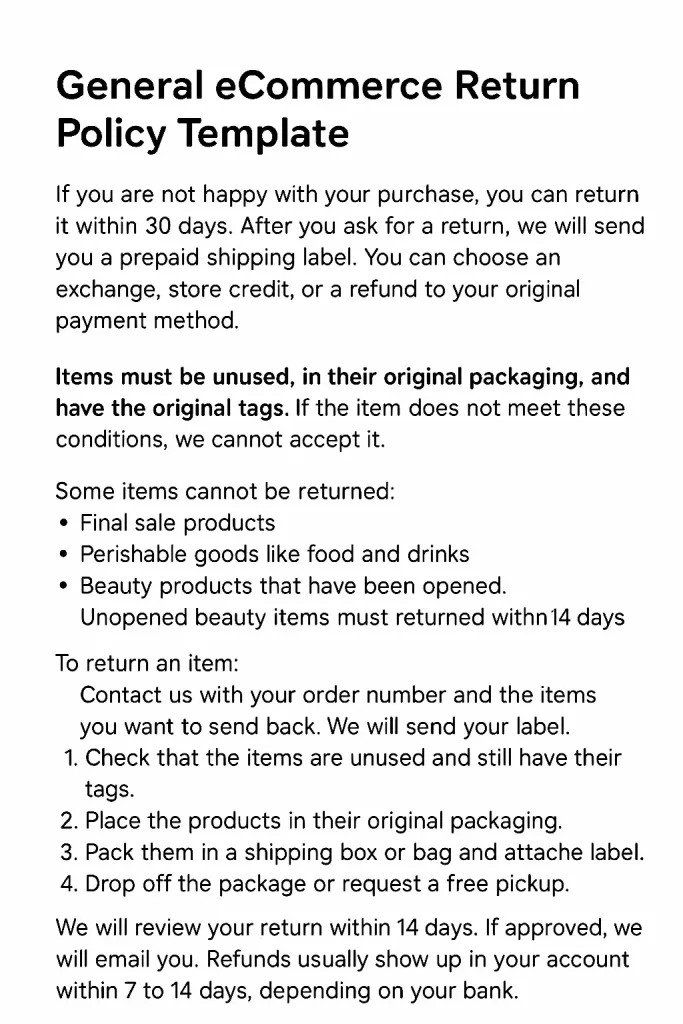
1. General ecommerce Return Policy Template
This return policy template ecommerce option works for most online stores. It covers basic steps and gives customers a simple path to follow. It also helps set clear expectations so shoppers understand exactly how returns work.
Example
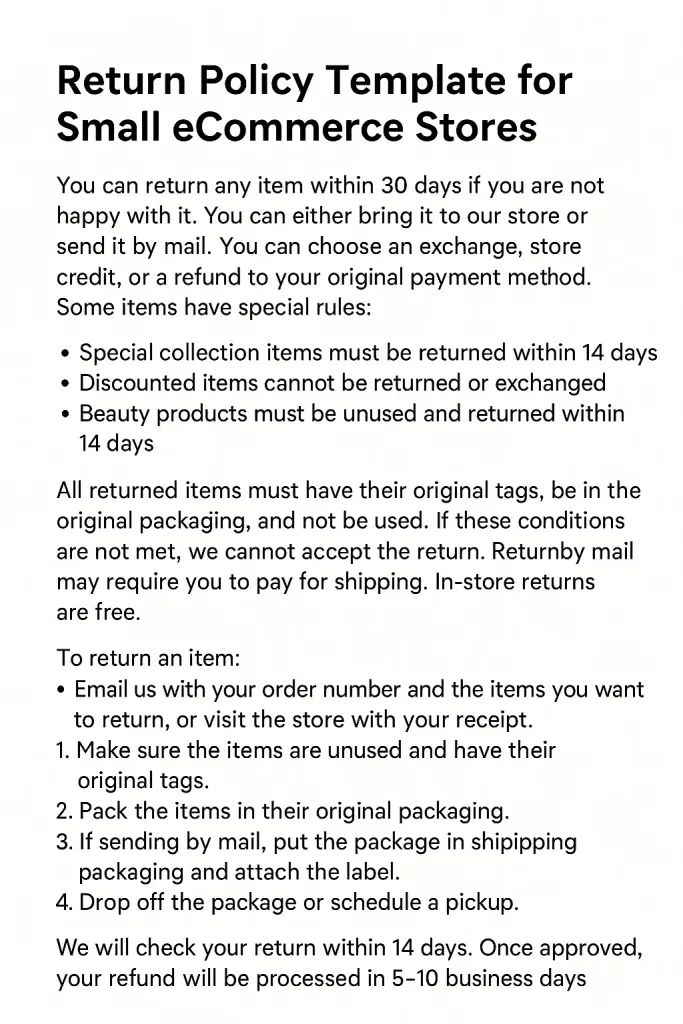
2. Return Policy Template for Small ecommerce Stores
Small shops can use a sample return policy for ecommerce stores that supports customers while still protecting profit margins. This version keeps the process simple without extra steps. It also gives customers a clear idea of what to expect before they make a purchase.
Example
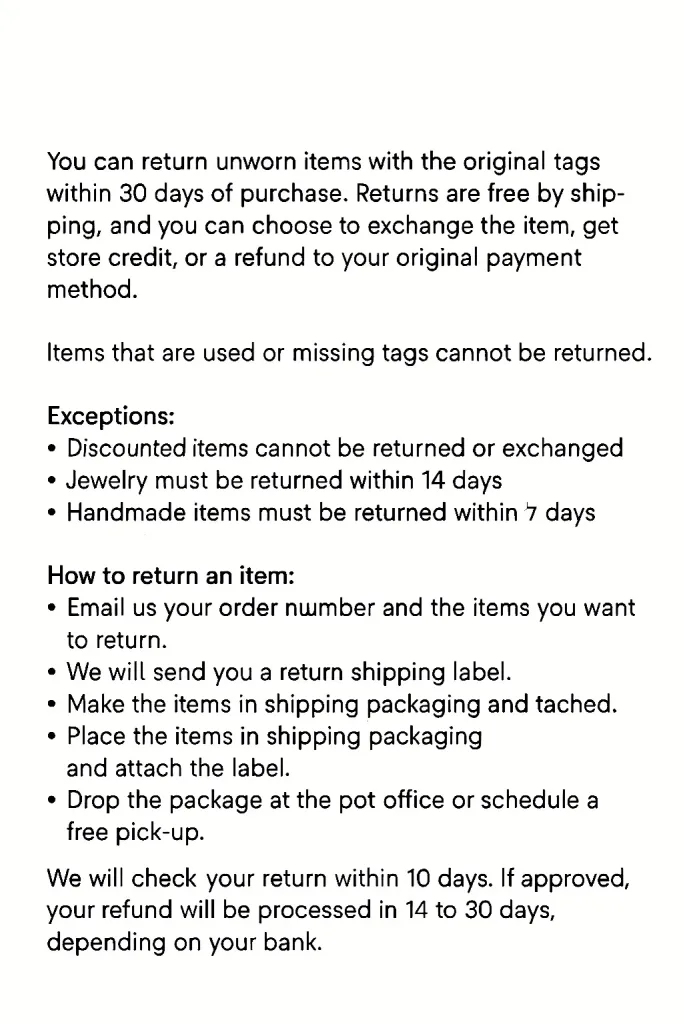
3. Online Boutique Return Policy Template
This online return policy template works well for boutiques that sell clothing, accessories and small beauty items. It keeps expectations clear and avoids confusion. It makes the return process straightforward and easy for both the store and the customer.
Example
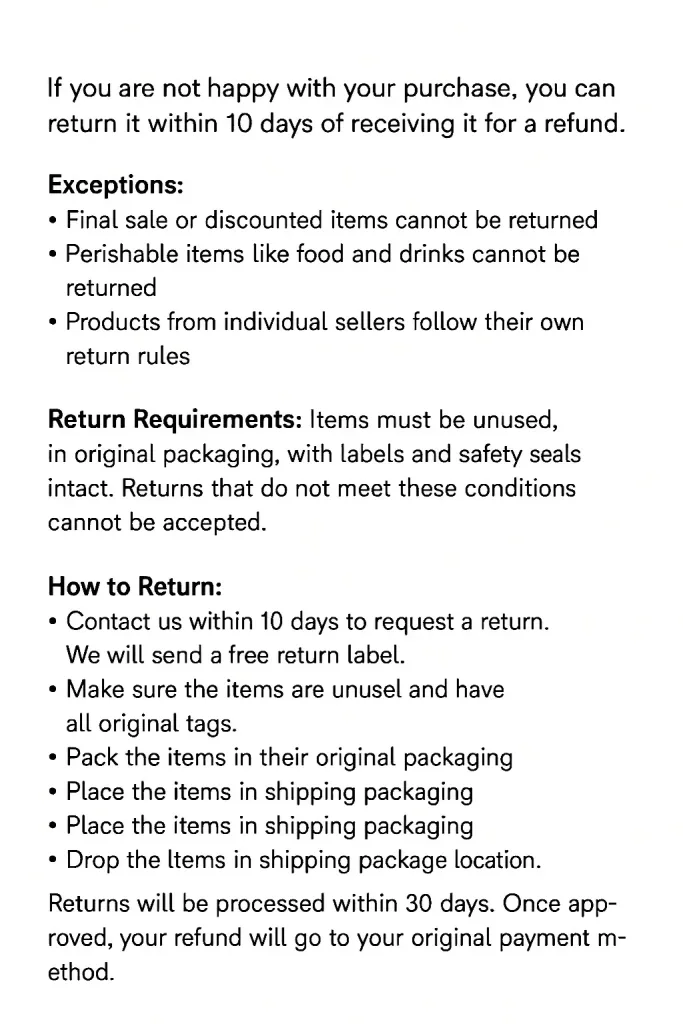
4. Dropshipping Return Policy Template
If your store uses dropshipping, your return policy must follow your supplier’s rules. This return policy template ecommerce style keeps things clear for buyers. This approach helps prevent misunderstandings and makes the return process simpler for everyone involved.
Example
5. Simple ecommerce Return Policy Template for New Stores
If you are launching a new store and need a quick online return policy, this version keeps everything easy for the customer and simple for you to manage. It also ensures customers know exactly how to return items without any confusion.
Example
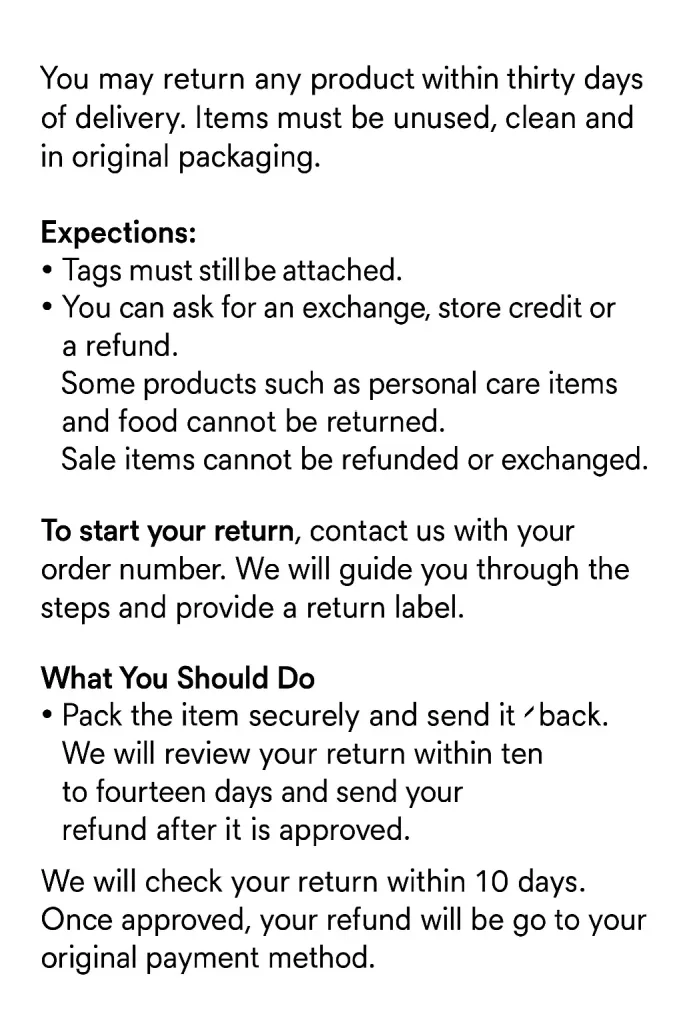
Top 6 Online Stores with Free Returns
Here are 6 online stores that handle returns well, along with how they do it. Let’s learn about them together.
1. Zappos

Zappos makes returning items very easy. Customers can return products within 365 days if they are not fully satisfied. The items must be unworn, with the original tags and packaging.
Refunds usually take 5 to 10 days, and exchanged items are shipped the next business day at no extra cost. Their online shopping return policy is simple and convenient for everyone.
2. Amazon
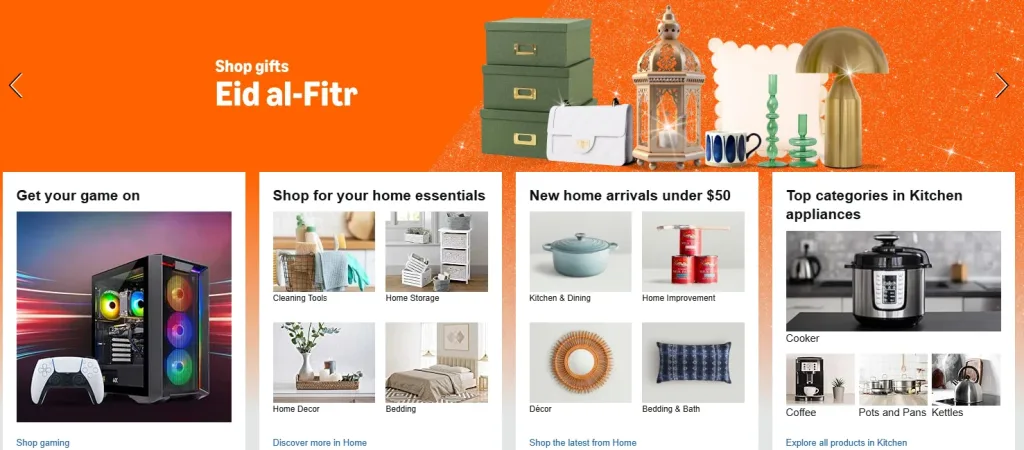
Amazon provides clear return instructions for each type of product. Customers can also check if a third-party seller has a different return policy.
Most items can be returned within 30 days of delivery, and refunds take between two and thirty days depending on the payment method. This makes returning products straightforward for shoppers.
3. Best Buy
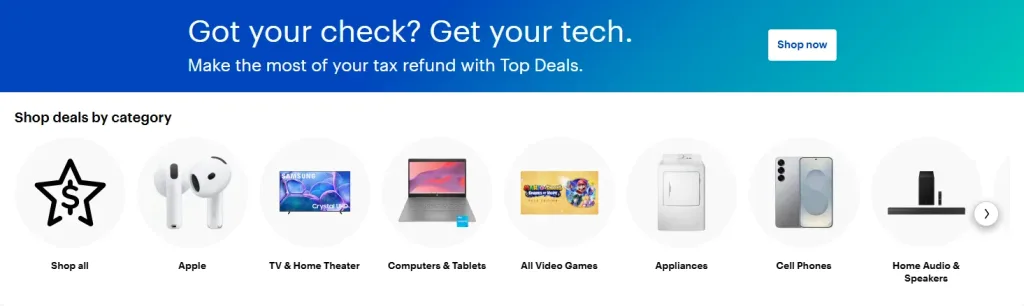
Best Buy lets customers return items either in-store or by mail using a prepaid label. Most products can be returned within 15 days of delivery. Refunds usually take up to ten days.
Final sale items cannot be returned, and some products, like activatable devices, have a restocking fee. These rules make it clear what shoppers can expect.
4. Chewy
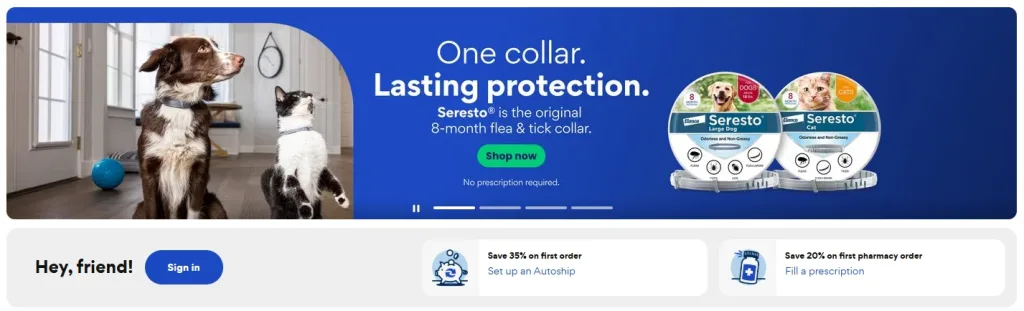
Chewy offers a 365-day return period for most items if customers are not completely satisfied. To return a product, shoppers just need to contact the company with their order number. Prescription medications cannot be returned or exchanged. Chewy’s policy keeps returns simple and stress-free.
5. Kohl’s
Kohl’s allows returns within 180 days for most products, with or without a receipt. Certain items, like premium electronics, watches, and beauty products, must be returned sooner and with a receipt.
In-store purchases must be returned in-store and cannot be mailed. These clear rules make it easy for customers to know what to do.
6. Nordstrom

Nordstrom offers free returns on most online purchases. Items can be returned in-store or by mail, and refunds are processed quickly once the return is received. Their online shopping return policy keeps the process simple and builds trust with customers.
How Technology Can Simplify Ecommerce Returns Policy
Technology can make your ecommerce returns policy easier for both customers and your team. Using tools like live chat and chatbots helps customers return items quickly and without confusion.
Live Chat
Live chat lets customers talk to a real person when they need help. If a return is tricky or needs special attention, your team can give fast guidance. This makes the return process smooth and stress-free.
Chatbot
Chatbots guide customers step by step through the return process. They can answer questions instantly, like “Can I return this item?” or “When will I get my refund?” This saves time for both customers and your support team.
FAQ
1. Can an online store have a no return policy?
Yes, online stores in the US can choose not to accept returns. You must clearly show this policy on your website. Some states also require it to appear at checkout.
2. Is it illegal not to give a refund?
No, it is not illegal as long as your store clearly states that refunds are not offered. If no policy is posted, customers may have the right to a refund.
3. How do I write a return policy for my online store?
Decide which items can be returned and how long customers have to return them. Explain the condition the items must be in and give clear steps for customers to follow when returning products.
4. How do I write a return policy for a small business?
List which items can be returned and set a time limit. Explain what condition the products should be in and provide simple instructions for returning items.
5. How do I calculate my store’s return rate?
Take the number of returned items and divide it by the total items sold. Then multiply the result by 100 to get the return rate as a percentage.
6. Why do customers return products?
The main reasons are size issues, color differences, or when customers buy multiple versions of the same item to try out.
7. How do return policies affect sales?
Strict or unclear return policies can make customers abandon their carts. Clear and simple policies build trust and make shoppers more likely to buy again. Easy returns encourage repeat purchases.
End Note
In the end, ecommerce return policy helps customers feel confident when shopping. A simple and clear policy makes it easy for them to know what to expect. It also helps your store handle returns fairly.
By keeping the process easy to follow, you can avoid confusion and make shopping smoother. A good return policy can also encourage customers to come back. Make sure your rules are clear and easy to understand so everyone has a better experience.