

eCommerce Customer Loyalty: All You Need to Know
- March 16, 2026
- 10 mins read
- Listen
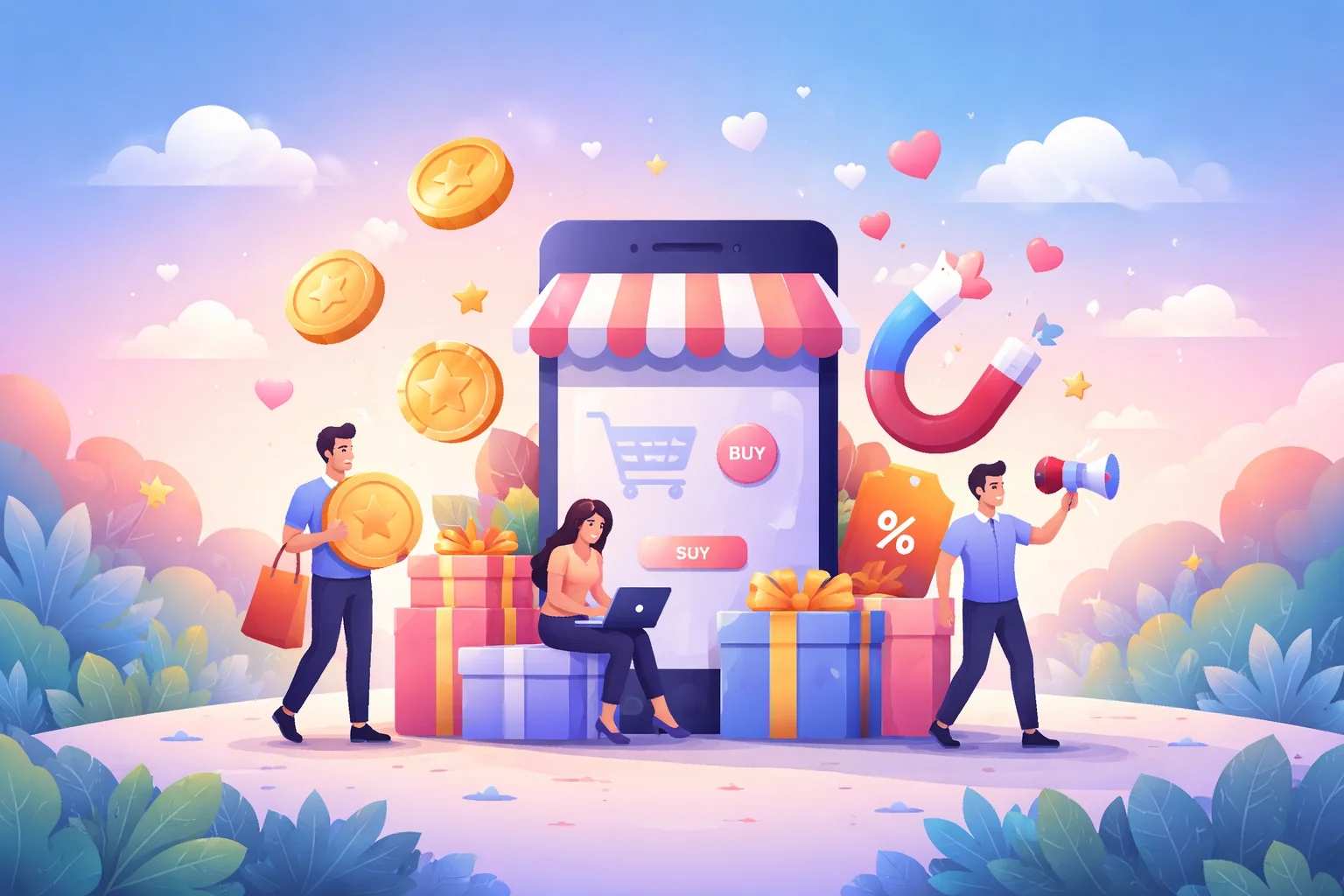
You work hard to bring people in, they buy once, and then they vanish. Sales feel unstable, and you keep spending on ads just to fill the gap. It can feel draining when the effort doesn’t turn into long-term customers. How to solve this issue and gain eCommerce customer loyalty?
Well, simple steps like rewards, helpful support, personal messages, and honest reviews can fix this issue. The truth is, shoppers return when they feel appreciated and connected to a brand.
In this blog, I will talk about what the eCommerce loyalty programs are, how the industry is changing, and effective loyalty strategies.
What Are the eCommerce Loyalty Programs?
eCommerce loyalty programs are reward systems that encourage customers to return by offering points, discounts, or special perks. They help online stores keep customers and build stronger connections with them.
A simple example is the Starbucks Rewards program, where customers earn stars on each purchase and redeem them for free drinks.
Most programs work in simple ways. Shoppers earn points for each order. Some brands have VIP levels that unlock better rewards. Others give cashback or offer paid memberships with extra benefits.
Customers enjoy these programs because they can save money or get early access to products. Online stores benefit too because loyal customers tend to return more often.
In short, eCommerce loyalty programs make shopping feel rewarding for customers and help brands build long-term relationships.
Key Takeaways
- eCommerce customer loyalty helps you keep customers coming back.
- A simple loyalty program with points or discounts encourages repeat buying.
- Clear policies and honest reviews help build trust.
- An easy and smooth shopping experience keeps customers happy.
- Quick and helpful customer support builds stronger relationships.
- Social media posts and emails keep customers interested and informed.
- On-time delivery and honest updates make customers trust your store.
- Referral rewards and early access offers encourage customers to stay loyal.
- Small personal touches like birthday offers make customers feel valued.
- Loyal customers buy more and bring new people to your store.
How is the eCommerce industry changing?
The eCommerce industry is changing as people now buy from different countries without any trouble. Cross-border shopping is common because phones and simple payment options make it possible. This shift helps brands grow faster and reach many new customers.
Now, let’s learn how the eCommerce industry is changing:
1. Higher Customer Expectations
Shoppers want fast delivery, clear steps at checkout, and helpful product suggestions. Stores work harder to meet these needs because it builds trust and improves eCommerce customer loyalty.
2. Growth of Mobile Shopping
Many people shop on their phones throughout the day. Brands focus on mobile-friendly websites so customers can browse and buy without any trouble. This change has made mobile shopping a major part of the industry.
3. New Technology in Online Shopping
Online stores use tools like AI and AR to guide customers. AI suggests items based on past orders. AR helps people see how products look in their homes or on themselves. These tools make online shopping feel easier and more confident.
4. Rise of Social Commerce
Customers now discover and buy products through social media. Influencers and short videos help people find new brands. Social platforms act like digital shops and make buying simple.
5. Changes in Business Operations
Starting an online store is easier today. Sellers can manage everything from one place and reach customers worldwide. This growing competition has made eCommerce loyalty programs important for keeping shoppers engaged.
6. Increase in Product Variety
Online stores offer a wide mix of products. Customers can compare styles, colors, and prices across different websites. This variety gives them better choices than most physical stores.
7. Faster Innovation Cycles
Online stores bring out new products and try fresh ideas more often now. This steady flow of updates keeps brands appealing and helps them to perform better.
8. Stronger Focus on Customer Trust
Brands now highlight real reviews and clear return policies. These steps build confidence and support loyalty programs for small businesses. They also help them keep customers and compete with bigger brands.
12 Effective eCommerce Customer Loyalty Strategies
Here are 12 effective eCommerce customer loyalty strategies that can help your store maintain loyal customers and keep them engaged.
1. Make Shopping Simple
Customers return when buying is easy. Websites should load quickly, have clear navigation, and secure checkout. Search bars, filters, and organized categories help shoppers find what they need.
Simple shopping improves customer loyalty because it allows customers to complete purchases without confusion. For example, Amazon saves payment information and offers one-click purchases so customers can buy quickly.
2. Offer Incentives
Rewards, points, and discounts encourage shoppers to return. An eCommerce loyalty program can provide points for purchases, cashback, or free items.
Customers value rewards and want to shop again. Even small incentives make a positive impact. Offering points that can be reclaimed for discounts encourages repeat purchases.
3. Provide Helpful Customer Service
Quick and clear support builds trust. Answer questions, resolve problems, and guide customers through purchases. Positive experiences improve eCommerce customer loyalty and encourage repeat visits. Live chat, emails, or phone support help customers feel supported and valued.
4. Offer Multiple Payment Options
Allow shoppers to pay with credit cards, PayPal, Apple Pay, or Buy Now Pay Later. Offering choices makes buying easier. Multiple options support a loyalty program eCommerce and encourage customers to return.
5. Stay Active on Social Media
Social media allows you to connect directly with customers. Share updates, answer questions, and provide tips. Engaging online supports eCommerce loyalty programs and keeps customers interested. Regular posts and responses create trust and familiarity with your store.
6. Connect with Customers Directly
Use newsletters, emails, and forums to communicate with customers. Allow them to share experiences and ask questions. Direct contact strengthens loyalty programs for small business by making customers feel connected.
7. Keep Promises
Deliver products on time and honor guarantees. Customers value stores they can trust. Meeting expectations strengthens eCommerce customer loyalty because shoppers know what to expect. Clear communication about delivery and services builds confidence in your brand.
8. Launch a Referral Program
Reward customers for referring friends. Referral programs attract new shoppers and encourage existing ones to engage. This strategy improves online customer loyalty while expanding your customer base.
9. Offer Early Access or Exclusive Products
Let loyal customers shop new items or sales first. Early access makes customers feel valued and encourages repeat visits. This helps customer loyalty eCommerce by rewarding continued engagement. Limited edition items or special promotions give customers a sense of value.
10. Celebrate Special Occasions
Send offers or messages on birthdays, anniversaries, or loyalty milestones. Customers feel remembered and appreciated. Small gestures increase eCommerce customer loyalty and reinforce relationships. Even a simple birthday discount can create goodwill and return visits.
11. Recognize Long-Term Loyalty
Reward customers who have shopped regularly. Tiered rewards, milestones, and recognition keep them engaged. This supports loyalty programs for small business and encourages ongoing shopping. Customers who feel appreciated return more often.
12. Seasonal and Event-Based Rewards
Offer special rewards during holidays or events. Customers enjoy participating in these offers, which encourages them to shop again.
Seasonal rewards strengthen eCommerce customer loyalty and maintain engagement. Even simple bonus points or discounts for event purchases can motivate shoppers.
Why Customer eCommerce Loyalty Matters
Have a look at the reasons behind why eCommerce loyalty matters.
Repeat Buyers Spend More
Shoppers who return to your store often place bigger orders and shop with ease. Research shows that returning customers spend 67% more than first-time buyers over time.
Building eCommerce customer loyalty helps you keep this pattern going.
Lower Costs for Your Business
Bringing in new shoppers requires ads, offers, and ongoing effort. Keeping the customers you already have is much more cost-effective.
A well-known study found that a 5% increase in customer retention can raise profits by 25% to 95%. This is why a simple eCommerce loyalty program can make a noticeable difference for your store.
A Better Lifetime Value
Loyal customers stay longer and buy more often. Their steady orders create a reliable income stream. They also show interest in new items, which lifts their lifetime value without extra ad spending.
Trust Builds Natural Promotion
People who trust a brand talk about it. Their recommendations help new shoppers feel comfortable choosing your store. When your online customer loyalty grows, this natural sharing becomes one of your best promotional tools.
Protection Against Rivals
Shoppers who feel connected to your brand do not move to other stores quickly. Clear communication, simple rewards, and familiar service help them stay.
Key Elements of a Successful Loyalty Program
Before running a successful loyalty porgram, you must learn the key elements of it. So, the key elements are:
- Match Your Brand: Make the program feel like part of your store to build trust.
- Valuable Rewards: Give small sign-up rewards or points for purchases.
- Easy to Find: Show clear reminders on product pages and at checkout.
- Member Perks: Offer early access or exclusive deals to make customers feel special.
- Useful Rewards: Choose rewards that fit your products and customer needs.
- Multiple Ways to Earn: Let customers earn points by buying, completing tasks, or joining events.
- Mobile-Friendly: Ensure the program works well on phones and tablets.
Customer Retention vs. Loyalty: Understanding the Difference
Let’s have a look at the differences between customer retention and customer loyalty.
| Aspect | Customer Retention | Customer Loyalty |
| Purpose | Helps keep customers coming back. | Builds trust and deeper connection which strengthens eCommerce customer loyalty. |
| What They Measure | Looks at actions like buying again or not. | Looks at feelings and trust in the brand which shape customer loyalty in eCommerce . |
| Why Customers Return | They come back because it feels easy or familiar. | Builds trust and deeper connection which strengthens eCommerce customer loyalty. |
| Type of Relationship | Basic and focused on shopping activity. | Warmer and more personal often supported by rewards used in loyalty programs for small businesses. |
| Reaction to Competitors | Customers may leave if they see a better offer. | Loyal customers stay because they care about the relationship. |
| Revenue Impact | Keeps sales steady because customers buy again. | Helps long term growth since loyal customers spend more and bring new shoppers which improves online customer loyalty. |
| How It Is Built | Built through clear communication easy returns and good service. | They come back because they enjoy the brand and feel connected. This is what a strong eCommerce loyalty program supports. |
How Can You Build a Loyal Customer Base in eCommerce?
You must learn the ways to build a loyal customer base in eCommerce. After learning them you can build the customer base in eCommerce properly.
So, the ways are:
Start a Loyalty Program
Give customers a reason to come back with points, VIP levels, or small perks. Even a simple program makes people feel appreciated and helps grow eCommerce customer loyalty.
Show Customer Reviews
Reviews help new shoppers trust your store. Share honest feedback and photos or videos from real buyers. This shows what the products are really like and helps customers feel confident in their choices.
Personalize Your Messages
Look at what customers bought or the reviews they left. Send messages that match their interests, like reminders, thank-you notes, or special offers. Personal touches make customers feel seen and valued, which strengthens eCommerce customer loyalty.
Provide Good Customer Service
Quick, helpful, and friendly support can turn a problem into a positive experience. When support teams know the customer’s history, they can fix issues faster and make shoppers feel cared for.
Build a Community
Encourage customers to share photos, join social media groups, or take part in special events. Offer early access or members-only rewards. Feeling part of a community makes customers more connected to your brand and keeps them coming back.
End Note
In the end, eCommerce customer loyalty comes from making shopping easy and rewarding. A clear loyalty program, helpful service, personalized messages, and honest customer reviews keep shoppers returning.
Engaging customers through community events or special perks makes them feel valued and connected. Happy, loyal customers come back and recommend your store to others.
Frequently Asked Questions
A good program is easy to understand and gives customers rewards that feel useful. Clear steps, simple earning rules, and meaningful perks help keep customers active.
Customers earn points or perks when they shop, leave reviews, or refer others. Later they can redeem these rewards for discounts or free items. This helps turn one-time shoppers into returning customers.
Yes. A well-run program increases repeat orders and builds long term trust. When customers feel valued, they return more often.
Use customer behavior and purchase history to offer rewards that feel relevant. Small touches like birthday gifts or repeat buyer perks help build stronger connections.
Avoid confusing rules, slow point updates, and rewards that feel hard to reach. Customers stay loyal when the process is simple and fair.