

Social Media for Ecommerce: Ultimate Guide to Leverage Your Business in 2026
- December 29, 2025
- 15 mins read
- Listen

You know what integrating social media in ecommerce delivers: transformative outcomes: exponential reach that amplifies brand awareness overnight, higher engagement rates that foster thriving communities, direct in-app sales that shorten the buyer journey, and lift average order values.
It enhances social media customer service that turns inquiries into instant conversions via chatbots, and data-driven personalization that boosts loyalty and lifetime customer value.
Surprisingly, brands that are mastering seeing 2-3x faster growth, reduced acquisition costs through organic virality and targeted social media marketing, and resilient revenue streams immune to algorithm shifts.
What is the key outcome of doing so? Sustainable scaling, higher ROI on ad spend, and a competitive edge in an era where social platforms are the new storefronts.
This comprehensive guide equips you with actionable strategies, platform breakdowns, tool recommendations, and success stories to achieve these results for your business.
Why Social Media Matters in Ecommerce: Key Statistics and Trends for 2026
When you run an online store these days, skipping social media feels like leaving money on the table. People scroll through their feeds, spot something they like, and buy it right there in the app. It has completely changed how shops grow and connect with customers.
What stands out most is how people discover products now. Over 80% in many surveys turn to social media to find ideas before making a purchase. Gen Z often starts on TikTok instead of Google. By 2026, close to 40 million people in the US will shop directly on TikTok. The growth there has been incredible.
Here’s a simple table with some of the latest figures:
| Area | 2025 Projection | 2026 Projection | Notes |
| Global Sales | ~$821 billion | ~$908 billion | Growth steady but slowing a bit |
| US Sales | ~$85-114 billion | Over $100 billion | Around 7% of total ecommerce |
| US Buyers | ~110-114 million | Heading toward 120 million | Half of social users buy this way |
| TikTok US Buyers | ~39-48 million users | ~39.5 million direct shoppers | Massive with younger shoppers |
Trends worth watching for next year? Live shopping keeps gaining ground, customers love seeing a quick demo and buying on the spot.
Real customer videos and honest reviews build far more trust than fancy ads ever could. AI is starting to play a bigger role too, recommending items that feel just right without coming across as pushy.
As for platforms, Facebook still reaches the widest audience, but TikTok moves fast for quick, impulse purchases. Instagram shines when you sell anything visual, like clothes or home decor.
One thing that makes a real difference: replying quickly to messages or comments. It turns casual scrollers into repeat buyers. Social media isn’t just about selling anymore; it’s about creating a small community around your brand.
All these numbers and shifts make one thing clear. Social media has moved to the center of ecommerce.
If you run a store, getting comfortable with these platforms can pay off in a big way. Many brands have seen sales double after putting real effort here.
Definitely worth trying.
Benefits of Integrating Social Media into Your Ecommerce Strategy
Running an online shop without tying in social media these days just limits what you can do. Customers hang out there all the time, scrolling and chatting. When you bring those platforms into your setup, things open up in ways that feel natural and helpful.
Let’s take a look at the most prominent benefits of social media in eCommerce.
Wider Reach for Your Products
Customers spend hours on social apps every day. When you post there, your items pop up in front of billions of users without needing big ad budgets elsewhere. Shops active on these platforms often pull in far more visitors.
Numbers show stores with a social presence can see around 32% higher sales compared to those without one. It all comes from showing up where people already browse.
Stronger Connections with Customers
Quick chats in comments or direct messages make shopping feel personal. Share fun stories, polls, or quick videos about your products.
People respond to that. They start liking your brand more and come back often. Real talks turn casual lookers into loyal fans who tell friends about you.
Easier Direct Sales
Shoppable tags and in-app checkouts let someone buy without jumping to another site. Spot something cute in a feed? Tap and done.
This cuts down on people changing their minds mid-way. Younger crowds especially grab items this way, and it keeps things smooth for everyone.
Useful Info About What Customers Want
Every like, share, or view gives clues. You spot which items get attention and at what times work best. Tools built into the platforms show patterns fast. Change stock or try new ideas based on real feedback. No guessing anymore.
More Trust from Shoppers
Customer photos and honest comments right on your posts reassure newcomers. Seeing others enjoy what they bought pushes hesitant folks to try it.
Handle questions openly, and even small issues can turn into positive stories. Trust grows when things feel real.
Reasonable Costs for Big Returns
Free posts reach plenty on their own. Paid ads target exact groups, so money doesn’t go to waste. Many find the payoff bigger here than in old ads. Small shops especially stretch dollars further and watch orders add up steadily.
Fashion brands shine with outfit ideas on feeds. Everyday items gain from short demos. Mixing society just fits how people shop now. It brings steady growth without feeling forced.
Many see real changes in their bottom line after giving it consistent time.
Top Social Media Platforms for Ecommerce in 2026
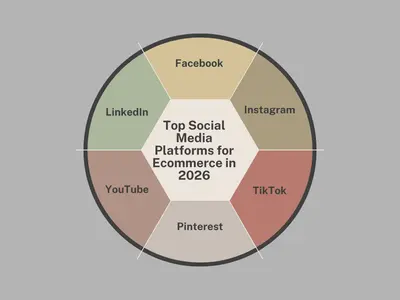
Shopping on social apps keeps getting bigger every year, with places like Facebook, Instagram, and TikTok turning scrolls into sales.
You can reach all kinds of customers across these spots, from quick impulse buys on short videos to planned picks inspired by pins or long demos.
Picking the right mix lets you meet people where they hang out most, making it easier for them to discover and grab your products without extra steps.
Still the giant when it comes to reaching all kinds of people. Almost three billion folks check in every month. Shops and Marketplace let you list items, run ads, and handle checkouts right inside the app.
Older crowds hang out here more, so if your products appeal to families or a wide age range, this spot pulls in steady traffic.
Many stores find it reliable for consistent orders, especially with targeted ads hitting exact groups.

Learn More: Top Facebook Marketing Tools
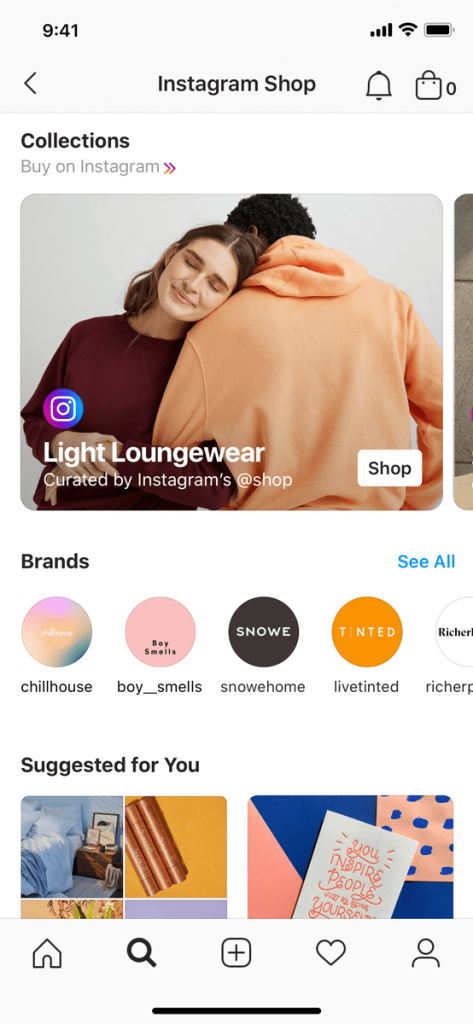
All about pictures and quick videos that catch the eye. Reels and stories keep things moving, while shoppable posts mean someone taps a tag and buys without much hassle. Fashion, beauty, and anything pretty sells fast here.
Younger shoppers scroll a lot, discovering stuff through influencers or feeds. In-app buying feels smooth, and user photos add that real touch customers crave.
Learn More: Instagram eCommerce
TikTok
Short clips spread like wildfire, turning unknown products into must-haves overnight. TikTok Shop has grown huge, with live sessions where hosts show items and take orders live.
Younger buyers, especially Gen Z, start hunts here more than anywhere else. Around 40 million Americans are expected to shop directly by next year. Fun challenges and real demos drive impulse grabs better than polished stuff.

People come here looking for ideas such as home fixes, outfits, and recipes. Pins link straight to products, and high-intent searchers often end up buying.
Visual boards inspire, so lifestyle or decor items shine. Women make up most users, planning ahead. Shoppable pins keep the flow easy from inspiration to cart.

YouTube
Longer videos let you dive deep with reviews, how-tos, or unboxings. Shorts grab quick attention too. Shopping tags appear under clips, linking to buys.
Viewers trust detailed content, so tech, beauty tutorials, or gear demos convert well. Growing fast for direct sales as more channels add storefronts.

A professional crowd here, over a billion members focused on work and business. Ads and content drive B2B deals, like software or services.
Not huge for consumer impulse, but solid for high-value sales or partnerships. Growing spot for targeted outreach in professional niches.
X (formerly Twitter)
Real-time chats and trends keep things buzzing. Product drops or quick mentions spark interest fast. Good for newsy launches or community talks around brands.
Emerging for direct links, best when you join conversations already happening.

Building a Winning Social Media Marketing Strategy for Ecommerce
Putting together a solid plan for social media when you sell online doesn’t have to feel overwhelming.
It just takes some clear thinking about what you want and how to get there. Many shops see real growth once they stick to a few smart moves.
Figure Out Your Main Goals
Start by deciding what matters most for your shop. Maybe you want more people visiting your site, or higher sales straight from posts.
Some aim for building a group of fans who keep coming back. Write down a couple of clear targets, like adding a certain number of orders each month. Keep them simple so you can check progress easily.
Get to Know Your Customers
Spend time learning who buys from you. Look at ages, what they like, and where they hang out online. Check comments or messages for clues about their problems or wishes.
Younger folks often scroll TikTok for ideas, while others browse Facebook groups. Matching your efforts to their habits makes everything land better.
Pick the Right Platforms
Don’t try to be everywhere. Choose two or three spots where your crowd spends time. Instagram works great for showing off products with nice photos.
TikTok grabs attention with short, fun clips. Facebook reaches a mix of people and handles ads well. Test small and see where responses come quickest.
Mix Up Your Content
Keep posts varied so feeds stay interesting. Share customer pictures using your items; they feel genuine and draw others in.
Throw in quick tips or stories behind products. Add some fun polls or questions to get chats going. Always include easy ways to shop, like tags or links.
Team Up with Influencers
Find people who already talk to your kind of buyers. Even smaller creators can bring trusted recommendations.
Send them products to try and share honestly. Those real mentions often turn viewers into customers faster than ads alone.
Blend Free Posts with Paid Ads
Regular sharing builds a following over time. Paid spots help reach new faces quickly. Target ads to lookalikes of your best customers.
Run simple tests with different pictures or words, then put more money behind what works.
Chat Often and Listen
Reply to messages and comments the same day if you can. Quick answers build goodwill. Watch mentions of your brand to spot chances or fix issues early. Turning a question into a sale happens more when you stay engaged.
Live sessions where you show products in action pull crowds too. User clips spread naturally when something clicks. Shops that post steady and adjust based on what gets reactions often watch carts fill up more.
Stick with it for a few months, tweak as you go, and the results usually show up steady. Plenty of online sellers have turned quiet pages into busy sales spots this way.
Learn More: How to Use Social Media for Business
Essential Tools for Social Media in Ecommerce

Handling social media for an online shop can eat up hours if you don’t have the right helpers. Good social media tools take care of posting, watching results, and linking straight to your store. They free up time so you can focus on products and customers.
Hootsuite
This one lets you handle several accounts from one spot. Schedule posts ahead, watch mentions, and pull reports on what’s working.
It connects with shops like Shopify, making it handy for tracking traffic from social to sales. Many stores use it daily without much fuss.
Buffer
Simple for planning content. You line up posts for different platforms, see a calendar view, and check basic numbers on reach.
Great for smaller setups where you don’t need tons of extras. It keeps things consistent without complicated setups.
REVE Chat
REVE Chat stands out with a simple drag-and-drop chatbot builder, no coding required. It ties into Facebook Messenger and WhatsApp nicely, plus trains on your own FAQs or site content for spot-on answers.
Features like multilingual replies and easy handover to agents make it solid for ecommerce shops handling social messages daily. Unlock the full potential of REVE Chat’s Chatbot and learn more here.
Aim to respond in minutes, not hours. Even a simple “Got your message, checking now” goes far. Public comments get attention fast to avoid bad vibes spreading.
Turning complaints around openly shows you care and often wins fans. Shops using chatbots for social messages often cut down support time while seeing more sales close.
Start small with common questions, watch patterns, and add flows as you go. Customers appreciate the speed, and your team gets breathing room for bigger tasks.
REVE Chat fits well here with its omnichannel setup and smart AI touches that keep conversations natural across platforms.
Sprout Social
Strong on listening and reports. It tracks conversations about your brand, handles messages quickly, and gives deep looks at engagement.
Ties into customer service too, so replies feel personal. Shops selling direct on social find the insights helpful for spotting hot items.
Later
Built around visuals, perfect for Instagram or Pinterest-heavy brands. Drag-and-drop calendar for planning feeds, auto-posting to stories or Reels, and links to shoppable content.
Pulls in user photos easily, turning them into posts that drive clicks to products.
Canva
A quick way to make eye-catching graphics without design skills. Tons of templates for posts, stories, or ads tailored to each platform.
Add your logos and colors once, then churn out fresh looks fast. Every store needs decent visuals to stand out in crowded feeds.
Meta Business Suite
Free from Facebook and Instagram. Manage pages, run ads, tag products in posts, and see shop performance altogether.
Syncs your catalog so buys happen without leaving the app. Essential if most traffic comes from these two spots.
TikTok Ads Manager
Handles campaigns on TikTok, from simple boosts to full funnels. Targets young crowds well, with options for live shopping tie-ins. Tracks direct sales from videos, helping spot viral clips worth more spend.
Platform-native options like Instagram Shopping or TikTok Shop connect catalogs directly, with no extra cost beyond setup. For chat help, tools like Gorgias pull in messages from social to one inbox. Start with free ones, add paid as traffic grows.
Shops mixing a scheduler with ad managers and design help often see smoother days and steadier orders. Pick what fits your main platforms first, then layer on more.
Common Challenges and How to Overcome Them
Social media presents significant opportunities for online shops, but it also poses real challenges. Things shift quickly, and what worked last month might flop now. Plenty of stores run into the same snags, yet small tweaks often sort them out.
Algorithms Cutting Organic Reach
Free posts just don’t show up to many followers anymore. Platforms push paid stuff harder, so visibility drops without ads. Many shops watch engagement fall off even with steady posting.
Mix in some paid promotions to get eyes back on content. Target lookalike crowds based on past buyers. Keep organic going strong with real customer shares—they slip through algorithms better.
Keeping Up Fresh Content
Coming up with new ideas day after day wears teams down. Burnout hits when you need videos, photos, and captions constantly. Over half of creators feel it for some years.
Plan ahead with a loose calendar, but leave room for trends. Reuse customer clips or simple polls when stuck. Batch film short demos on quiet days.
Handling Multiple Platforms
Jumping between spots spreads time thin. Each has its own rules, crowds, and best times. Small teams especially feel stretched.
Stick to two or three that fit your buyers the most. Use schedulers to line up posts across them. Check numbers monthly to drop weak ones.
Proving Clear Returns on Spend
Bosses want proof that time and money on social media turns into sales. Tracking from a like to a buy gets tricky with privacy changes.
Link platform tools to your store analytics. Watch direct traffic and tagged orders. Tag campaigns so results tie back easily.
Building Buyer Trust for Social Purchases
Folks hesitate to buy straight in apps. Returns info stays hard to find; only about one in six know the process clearly. Complaints about policies pop up often.
Spell out shipping, returns, and guarantees in bios or pinned posts. Share customer stories and quick replies to questions. Handle issues publicly and fast.
Standing Out in Crowded Feeds
Everyone posts similar stuff, so blending in happens easily. Ads feel everywhere, and attention spans shrink.
Go for raw, fun clips over perfect ones. Jump on real trends your crowd likes. Chat back genuine comments to feel human.
Conclusion
Social media has revolutionized the online shopping experience for businesses in a significant way. Customers discover products while scrolling, ask questions in messages, and buy with just a few taps. When you lean into these platforms with steady posts, quick chats, and helpful tools, sales pick up, and loyalty grows quietly but is real.
The shops that see the biggest shifts are the ones that treat society like a front door, not a side room. Reply fast. Share real stories. Make buying feel easy. Do that, and people keep coming back. Ready to turn more messages into orders?
Sign up for REVE Chat today and get your free trial started. Their chatbot handles questions around the clock on Facebook, WhatsApp, and your site, so no customer slips away.
Frequently Asked Questions
Most shops see good engagement when they post 3-5 times a week on Instagram or Facebook, and daily on TikTok if you’re going for short clips.
Check your own analytics to spot peak hours, often evenings or weekends, for consumer goods. Consistency matters more than flooding feeds, so pick a rhythm you can keep up without stress.
Begin small, like $10-20 a day per platform, and test different ads for a couple of weeks. Once you spot winners that bring sales at a decent cost, scale up slowly. Many new stores keep 20-30% of revenue for ads once things pick up.
Absolutely—smaller shops often win with real, behind-the-scenes content and quick personal replies that big companies can’t match. Customers love feeling connected to a real person. Focus on your niche crowd and share stories only you can tell.
Reply calmly and publicly with a helpful tone, offer to fix the issue privately, and follow through quickly. Most watchers see that you care and trust you more. Turning one unhappy customer around often brings positive mentions later.
Yes, they grow followers and email lists fast when done right. Keep rules simple, ask for tags or shares, and pick winners fairly. Tie the prize to your products so entrants are actual potential buyers.
Social draws people in, but email brings them back for repeat buys. Capture emails through lead magnets or checkout, then send gentle reminders, new arrivals, or exclusive deals. Shops blending both usually see much higher lifetime customer value.