


Customer Driven Marketing Strategy: 14 Proven Ways to Attract, Retain, and Delight Customers
- February 26, 2026
- 18 mins read
- Listen
In the hypercompetitive market customer experience (CX) is the new driver of decision making. CX has become equally or more important than product and price when it comes to consumers’ purchasing decisions.
Customer centric companies are 60% more profitable than companies that don’t focus on customers.
Obnoxiously pushing your products without a clear value proposition will not produce significant results or allow you to sustain in the long run. This is where having a successful customer driven marketing strategy comes in.
Being customer driven means all your sales, marketing, or support strategy need to be aligned singularly. It happens when businesses shift from the products to meeting customer needs, which in turns develops trust and loyalty
What is a customer driven marketing strategy?
A customer driven marketing strategy refers to meeting customers’ needs in a more personalized way and helps businesses to optimize marketing return on investment (RoI). By identifying and targeting customers with higher lifetime value, businesses can strengthen relationships by crafting solutions to fit their wants.
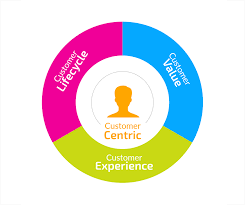
With a strong customer driven marketing strategy, your company can reap the potential benefits of targeting and segmenting customers. It provides you valuable data, which provides a 360-degree view of your customers.
Why is value driven marketing important?
Value driven marketing strategy has a major goal: to create meaningful value for your customers. With this approach, you become a magnet for new clients and prospects. It requires a firm commitment to seek ways to add value to your clients. They determine the worth of your products or services.
The key reasons why value driven strategy is important are:
Higher customer lifetime value (CLTV)
Customer based marketing strategy includes identifying marketing segments and developing programs targeted by specific customers. It helps in delivering a unique value proposition to the right customers. It makes customers stick with your business for a lifetime.
Increase customer base
Having a value driven marketing plan helps in providing customers the exact value they are looking for. If you succeed in impressing your clients in the first go, the customer base multiplies with referral customers and word of mouth virality.
Cultivate customer loyalty
60% of loyal customers will purchase more frequently from their preferred companies. You can connect all the customer data and utilize it to create a more dynamic, enjoyable experience for customers. It is the key towards delivering delightful experiences that accelerates revenue and boost brand loyalty
How to build a successful consumer-driven marketing strategy
Understanding customers is critical to the success of a consumer-based strategy. The customer first approach goes beyond the responsibilities of your marketing team. Your sales and support team should understand how to provide excellent customer service and experiences.
Let us discuss the main attributes of developing a great customer driven marketing strategy for your business.
1. Identify your target audience
Building a customer driven marketing strategy focuses on identifying your market audience and anticipating their needs. It helps to create buyer personas in order to personalize your marketing efforts. 47% of companies who exceeded sales and revenue goals consistently maintain their personas.
Customer personas add great value to your business by representing various segments. Using data-driven research is the key to understanding who is your target audience and what motivates them to purchase your products and services. Data gathered from different channels and sources help to build up a clear picture of who exactly your target market is.
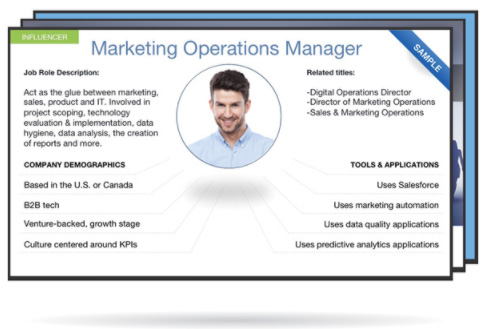
The vital element of buyers’ persona influence is to improve customer experience. Well constructed personas also result in value driven marketing and sales.
Here are the key ways how buyer personas help in customer driven marketing strategy.
- Enhance value propositions align with the desired needs of the customers.
- Accelerate profits by providing customers with what they are looking for.
- Provide a better understanding of buyers, their needs, and how to fix them.
- Increase lead conversions by aligning your teams around a customer centric culture.
2. Segment your target audience
Segmenting allows you to enhance your vision to view the audience more broadly. Audience segmentation is crucial in the digital sphere because consumers are more empowered than ever. They are making purchasing decisions at a faster rate than ever before.
So, the challenge for digital marketers is to understand how to catch them in the process of the buying decision. In order to do this, they need to do everything they can to understand the way their audience thinks and behaves.
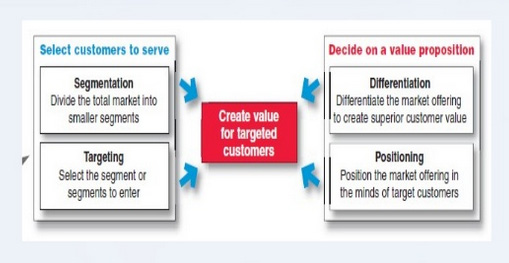
Targeting the right market with the right personalized messages is a vital part of a customer-driven marketing strategy. It also helps your business clearly demarcate between a product vs a customer-centric approach. Here are the key benefits to segmentation to improve customer experience (CX)
- Creating tailor-made marketing initiatives to better match your products or services offering to your customer segment needs.
- Enhance the products or services offered. Businesses can use market segmentation to identify what does work but more importantly what doesn’t work and alter accordingly.
- Enable businesses to retain more customers by offering products that appeal to where customers across their lifecycle.
3. Build your product strategy to meet product market fit
Given two scenarios for you to choose, which one would you opt for?
- Create a product and then attempt to find the audience that it suits best.
- Find your customers and design a product based on the market intelligence you have gathered.
Choosing the second option is better as the former one involves a tedious process that is full of risk. Businesses should design their products and services around your customers’ needs, instead of marketing a product that has no relevance to your customers.
When you focus on customer needs, it is going to be successful from product development to marketing strategies.
Key tips to create a winning customer based marketing strategy.
- Create a positioning map – You have to start with creating a positioning map based on customer perceptions of your brand based on the competitor’s brand.
- Highlight your value proposition – Define the customer needs you can best address with your products or services. Focus on your product roadmap along with the challenges you can address.
- Select competitive advantage – Design your products and services in a way that differentiates your business from others.
4. Create an omnichannel customer engagement plan
Today’s customers expect brands to deliver an experience that extends beyond the store purchase to their smartphone, tablet, and laptop computer. For a successful customer value driven marketing strategy, you need to create an omnichannel customer engagement plan.
Being omnichannel helps to gain valuable insights into customer interactions and their behavior across their life cycle. Businesses with strong omnichannel customer strategies retain 89% of customers.
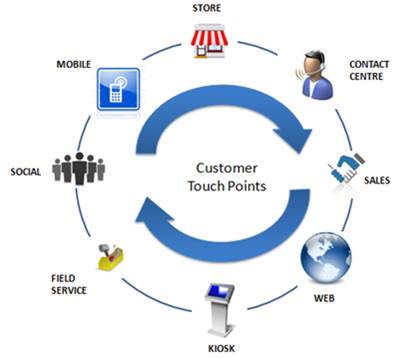
Omnichannel engagement empowers customers to connect with your brand through their preferred channels by making a smooth transition in the same interaction. It increases satisfaction and increases the lifetime value (LTV) of your customers.
Hence it is crucial to plan a strategy to deliver a great omnichannel customer experience (CX). The key elements for an omnichannel customer engagement plan are:
- Connect with customers across their preferred channels – It enables you to have a better understanding of the preferred touchpoints and be actively available on those channels for real time engagement.
- Engage with customers by using the right tools – You can provide real time assistance with live chat or use visual tools like co-browsing & video chat for delivering faster solutions. You can also deploy chatbots for 24×7 support for FAQs.
- Personalize your interaction – You can personalize your customer interactions at the identified touchpoints to deliver a great customer service experience.
REVE Chat offers a suite of customer engagement tools essential for extending support across multiple channels simultaneously. Sign up to enrich your business with the best customer service software and devise a robust omnichannel strategy.
5. Invest in customer service experience
Customer service is an integral part of a consumer-driven marketing strategy. Customers always remember brands by the kind of service quality they offer. If your customer experience strategy is not well structured, you will lose business no matter how good your product is.
$1.6 trillion is lost by companies in the United States due to customer switching as a result of poor customer service”. When businesses invest in a ‘customer service-oriented culture’, they can build customer loyalty and increase customer lifetime value (CLTV).
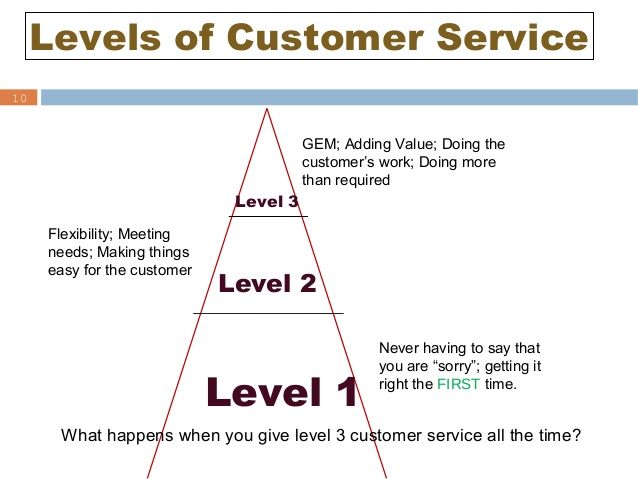
Here are some customer service tips for strengthening the marketing strategy driven by customers.
- Provide real time support by using live chat software and visual engagement tools like co-browsing and video chat.
- You can automate your customer support tasks with chatbots to provide 24×7 support to the common customer queries.
- Deliver consistent support across are the channels by being active where your customers are.
- Train your support team with the right customer service communication strategies to deliver a superior service experience.
6. Use customer feedback to improve your marketing strategy
One of the vital aspects of a consumer-driven marketing approach is customer communication. Your support team plays a vital role in the overall marketing plan. Customers interacting with your business need to have excellent experience in order to bring benefits to both sides.
Positive customer experience builds a better brand reputation and negative CX brings feedback
Implementing customer feedback will not only help you to create better products and services. It also gives customers a feeling that you value them and are listening to their opinions that are important to build trust and loyalty. It’s a good as B2C as B2B marketing strategy for any business.
Keyways how implementing customer feedback enhances consumer based marketing strategy?
- You can monitor your customer satisfaction level by tracking your Net Promoter Score (NPS). It gives you a complete understanding of their perception of your brand.
- Feedback provides insights into what is working well about your products and what should be done to make the experience better.
- Customer opinions help to fine-tune your marketing objectives to re-align with your customer needs.
- You can identify the gaps in terms of value proposition and ensure that the end product will actually meet their expectations, solve their problems, and fulfill their needs.
7. Build a First-Party Customer Data Strategy
A successful customer-driven marketing strategy starts with reliable customer data. Instead of depending only on third-party data or broad assumptions, businesses should collect first-party data from their own customer interactions.
This can include:
- Website behavior, such as pages visited, time spent, and product interest
- Live chat and chatbot conversations
- Email engagement, including opens, clicks, and replies
- Purchase history and repeat buying behavior
- Customer support tickets and common complaints
- Survey responses and customer feedback
- Product usage data for SaaS and subscription businesses
When this data is connected in one place, businesses can create a clearer 360-degree view of each customer. This helps marketing, sales, and support teams understand what customers need, where they face friction, and which messages are most likely to convert.
For example, if a visitor repeatedly checks your pricing page and asks questions through live chat, your team can treat that person differently from someone who only reads a top-of-funnel blog post. This makes marketing more relevant, timely, and useful.
8. Map the Complete Customer Journey
Customer-driven marketing is not limited to attracting new leads. It covers the full journey from awareness to purchase, onboarding, retention, loyalty, and advocacy.
Start by mapping the key stages of your customer journey:
- Awareness: How do customers first discover your brand?
- Consideration: What questions or objections do they have before buying?
- Conversion: What convinces them to sign up, book a demo, or make a purchase?
- Onboarding: How quickly do they experience value after becoming a customer?
- Retention: What keeps them engaged over time?
- Advocacy: What motivates them to recommend your brand to others?
Once the journey is mapped, identify friction points. For instance, customers may drop off because pricing is unclear, support is slow, onboarding is confusing, or follow-up communication is generic. Solving these issues helps businesses improve conversions, customer satisfaction, and long-term loyalty.
9. Use AI and Automation for Personalized Engagement
AI can help businesses deliver customer-driven experiences at scale. Instead of sending the same message to every customer, AI-powered tools can analyze behavior and recommend the next best action.
Businesses can use AI and automation to:
- Recommend products or services based on customer behavior
- Trigger personalized emails after specific website actions
- Use chatbots to answer common questions instantly
- Predict churn risk based on low engagement or repeated complaints
- Score leads based on intent and readiness to buy
- Personalize website content for different audience segments
For example, if a customer visits your help center multiple times for the same issue, an automated workflow can trigger a proactive support message. If a lead views several product pages but does not convert, your system can send a relevant comparison guide or invite them to a demo.
The goal is not to replace human interaction. The goal is to use automation to deliver faster, smarter, and more relevant experiences while allowing human teams to focus on high-value conversations.
10. Focus on Retention, Loyalty, and Customer Advocacy
Many businesses focus heavily on acquiring new customers but forget to market to the customers they already have. A strong customer-driven marketing strategy should include retention and advocacy programs.
Existing customers can become one of your most valuable growth channels. They already know your brand, trust your product, and can influence new buyers through reviews, testimonials, case studies, referrals, and social proof.
Here are some ways to strengthen customer marketing:
- Send helpful onboarding emails after signup or purchase
- Share product tips based on customer behavior
- Create loyalty or referral programs
- Ask satisfied customers for testimonials and reviews
- Turn successful customers into case studies
- Build a customer community where users can share ideas
- Celebrate customer milestones and achievements
For example, a SaaS company can send usage-based emails showing customers how much time they saved using the product. An ecommerce brand can recommend complementary products based on purchase history. A B2B company can invite loyal customers to join webinars, case studies, or advisory groups.
When customers feel valued after the sale, they are more likely to stay, buy more, and recommend your business to others.
11. Measure the Right Customer-Driven Marketing Metrics
To know whether your strategy is working, you need to measure more than traffic, clicks, and impressions. Customer-driven marketing should be evaluated with customer-centric metrics that show long-term business impact.
Important metrics include:
- Customer lifetime value: The total revenue a customer brings over the relationship
- Customer retention rate: The percentage of customers who continue using your product or service
- Churn rate: The percentage of customers who stop buying or cancel
- Net Promoter Score: How likely customers are to recommend your brand
- Customer satisfaction score: How satisfied customers are after key interactions
- Repeat purchase rate: How often customers buy again
- Expansion revenue: Revenue from upsells, cross-sells, or upgrades
- Customer acquisition cost: How much it costs to acquire a new customer
- Time to value: How quickly new customers experience meaningful results
- Personalization lift: How personalized campaigns perform compared with generic campaigns
These metrics help businesses understand whether they are building real customer value or simply generating short-term campaign activity.
12. Create a Continuous Feedback Loop
Customer-driven marketing is not a one-time project. Customer needs change, competitors evolve, and market expectations shift. That is why businesses need a continuous feedback loop.
A feedback loop helps you collect customer insights, act on them, and measure the results. This can include:
- Running customer surveys
- Reviewing live chat and support conversations
- Monitoring social media comments
- Analyzing product reviews
- Interviewing high-value customers
- Studying lost deals and churn reasons
- Testing new messaging with different audience segments
The key is to turn feedback into action. If customers repeatedly ask for the same feature, your product team should know. If prospects keep asking the same pre-sales question, your marketing team should create content around it. If support tickets reveal confusion during onboarding, your customer success team should improve training materials.
A customer-driven business does not just collect feedback. It uses feedback to improve products, messaging, service, and overall customer experience.
13. Personalize Without Breaking Customer Trust
Personalization works best when it feels helpful, not invasive. Customers want relevant experiences, but they also care about privacy and transparency.
To build trust, businesses should:
- Collect data with clear consent
- Explain how customer data is used
- Avoid overly intrusive messaging
- Give customers control over communication preferences
- Use customer data to improve value, not just push sales
- Keep customer information secure
For example, recommending a helpful guide based on a customer’s recent website visit can feel useful. But referencing sensitive personal information that the customer did not knowingly share can feel uncomfortable and damage trust.
14. Gain more customers with word of mouth marketing
Increasing customer base with referrals and word of mouth can be a part of your customer-driven marketing strategies. You can encourage your loyal customers to share their positive experiences, success stories across their friends and social platforms to attract new customers.
A customer driven company has a positive impact on customers. For the brands that customers are loyal to, show willingness towards the following.
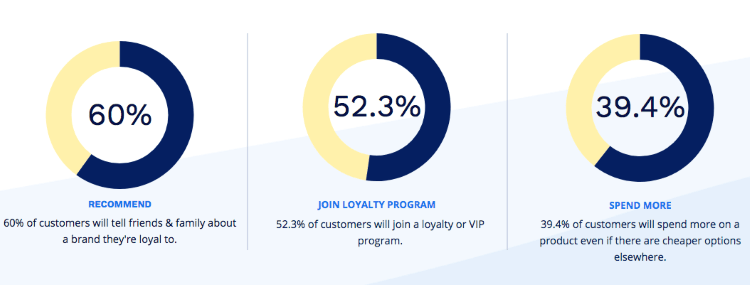
Word of Mouth marketing impression results 5x more sales than a paid media impression and people are 90% more likely to trust and buy from a brand recommended by a friend.
Here is how to leverage brand advocates to create word of mouth or community to build your brand.
- You can implement a referral program where customers are rewarded for sending new business your way by giving them additional discounts, cash rewards, or free subscription.
- Encourage your customers to leave positive reviews and star ratings on certain websites.
- Create an affiliate program. Your partners will get some percentage from every deal that you make with someone who followed the link on their website.
- Customer driven companies can also run contests for customers and can send you referrals in a specific amount of time.
Customer-Driven Marketing Examples
Example 1: Personalized Live Chat for High-Intent Visitors
A visitor lands on your pricing page and spends several minutes comparing plans. Instead of showing a generic chatbot greeting, you can trigger a personalized message such as:
“Need help choosing the right plan? Tell us your team size and we’ll recommend the best option.”
This creates a helpful experience at the exact moment the visitor is evaluating a purchase decision.
Example 2: Behavior-Based Email Nurturing
If a lead downloads a guide about customer support automation, your email sequence should not send generic company updates. Instead, send content related to automation, chatbot use cases, cost savings, and implementation tips.
This keeps the communication aligned with the customer’s actual interest.
Example 3: Customer Feedback Turned Into Product Messaging
If support conversations show that customers love your fast response time, use that insight in your marketing copy. Instead of saying “powerful customer engagement platform,” you might say:
“Respond to customers instantly across live chat, chatbot, voice, and video from one platform.”
This messaging is more specific because it comes directly from customer value.
Example 4: Retention Campaign for Inactive Customers
If a customer has not logged in or used your service for a while, trigger a re-engagement campaign. Offer helpful resources, product tips, or a quick support check-in.
For example:
“We noticed you haven’t used live chat automation recently. Here are three quick ways to reduce missed conversations and improve response time.”
This approach is more customer-driven than sending a generic promotional email.
Customer-Driven Marketing Checklist
Use this checklist to evaluate whether your business is ready to build a strong customer-driven marketing strategy:
- Do you know your ideal customer segments?
- Do you collect first-party data from customer interactions?
- Do you connect marketing, sales, and support data?
- Do you map customer journeys across all major touchpoints?
- Do you personalize messaging based on customer behavior?
- Do you use live chat, chatbots, or automation to engage customers in real time?
- Do you collect and act on customer feedback regularly?
- Do you measure retention, lifetime value, churn, and satisfaction?
- Do you create content for existing customers, not just new prospects?
- Do you have a clear process for turning customer insights into business improvements?
If most answers are “no,” start with the basics: collect better customer data, map your customer journey, improve support conversations, and create feedback-driven marketing campaigns. If most answers are “yes,” focus on advanced personalization, automation, predictive analytics, and customer advocacy.
Final thoughts
Customer-driven marketing is the pillar to create long term successful customer relationships. Having a consumer-centric strategy not just helps with creating a strong brand and customer acquisition but also helps to complete the feedback loop that helps to be aware of changing customer needs.
Your business however will need the right tools at its disposal to successfully plan and create a customer-focused marketing strategy. Sign up with REVE Chat for top customer service tools and strengthen your marketing effort.
The bottom line is that every business wants to deliver a delightful experience through its products or services. Hence it is imperative to focus on the experiences in your value driven marketing strategy.