

Top 10 Free AI Chatbots in 2026
- February 19, 2026
- 24 mins read
- Listen

One click, zero cost, and suddenly every visitor gets instant, intelligent answers at any hour of the day or night. That single change turns slow, frustrating interactions into smooth, satisfying conversations, the kind that keep people coming back instead of clicking away.
The strongest free AI chatbots make this upgrade effortless. The ten highlighted here deliver fast responses, natural dialogue, reliable uptime, and truly usable free tiers that let anyone experience the difference immediately, no credit card required, no countdown timer looming.
So, in this article, I’ll show you the 10 best free AI chatbots that you can use to boost your customer support and get more revenue.
What Is a Free AI Chatbot?
A free AI chatbot is a smart software you can add to your ecommerce website to talk with customers 24/7, no human needed. It answers common questions instantly (like “Where’s my order?”, “Do you have this in large?”, or “What’s the return policy?”), checks stock or order status, suggests products, and helps people finish buying.
The “free” part means you get a solid starter plan with no upfront cost, enough messages, and basic features for small to medium stores to handle most support without paying.
How I Evaluated the Best AI Chatbots
I tested each one on real ecommerce setups (mostly Shopify and WooCommerce test stores) during busy mock scenarios in early 2026.
I focused on what actually moves the needle for online stores: happy customers, fewer tickets, and more completed sales.
Here’s what I looked at for every chatbot before it made the list.
Handling Everyday Ecommerce Questions
The bot has to nail the basics fast: “Where’s my order number 123?”, “Is size M in stock for this shirt?”, “When does free shipping kick in?”
It should pull live data from the store if the free plan allows, give correct answers, and avoid hallucinations that make customers mad. In my tests, anything that got facts wrong or looped endlessly got cut right away.
Natural Conversation Flow
Shoppers type messy stuff like “hey this doesn’t fit can I return? or “need warmer jacket, pls”.
The best free ones understand casual language, ask follow-ups that make sense, and keep the chat going without sounding like a robot from 2018.
I talked to each one like a picky customer at 2 a.m.—if it felt stiff or forced menus, it didn’t make the cut.
Sales-Boosting Abilities
A good chatbot doesn’t just answer, it sells quietly. Can it suggest “People also bought these socks with that hoodie” or send a gentle “You left this in your cart, want to finish?” reminder?
In real runs, the ones that lifted cart value or recovered abandoned carts (even a little) scored way higher.
Easy Setup and Store Integration
I timed how long it took to add the widget to a live site, no coding nightmares allowed.
Free plans had to connect smoothly to Shopify, WooCommerce, or BigCommerce without breaking after setup. If it needed heavy custom code or felt clunky on mobile, I dropped it.
Realistic Free Plan Limits
I ignored “free forever” labels if the chat cap was laughably low (like 50/month). I looked for plans that let small to medium stores handle 500–2,000+ conversations monthly, with core features still working. Anything that forced an upgrade after a week of normal use didn’t qualify.
Response Speed and Uptime
Replies need to come in under 3 seconds; shoppers won’t wait. I checked during fake traffic spikes and late-night tests; if it lagged or went offline, no thanks. Fast and reliable ones kept customers engaged instead of bouncing.
Ticket Deflection Rate
The real win: how many chats finish without needing a human. In my tests, top performers solved 60–80% of common questions solo (tracking, sizing, policies). That meant way fewer emails and Zendesk tickets the next morning.
Multilingual Capability
Things like auto-translation for international buyers, simple analytics to spot hot questions, and mobile-friendly widgets.
These often turned a decent bot into a must-have for global ecommerce stores. That’s the honest filter I used, no hype, just what held up when I ran them as my own store depended on it.
Top 10 Free AI Chatbots That Drive Optimum Performance in 2026
| Rank | Chatbot | Best For | Plan | Key Free Plan Features | Multilingual Support (Free) |
| 1 | REVE Chat | Reliable 24/7 hybrid support & growth without pressure | Lifetime free forever | Lifetime access, AI chatbot, proactive triggers/greetings, visitor tracking, canned responses, file sharing, multi-channel (website + FB/IG/WhatsApp), customizable widget, offline messaging | Yes (40+ languages, auto-detect) |
| 2 | Tidio | Easy Shopify automation | Free (with limits) — 50 billable convos lifetime for Lyro AI, up to 10 operators | Live chat, basic Lyro AI replies, Flows builder, order management (Shopify), communication channels (Messenger/IG/WhatsApp), basic analytics, customizable widget | Yes (major languages) |
| 3 | ProProfs Chat | Solo users wanting unlimited chats | Forever free (single operator) — unlimited chats | Unlimited chats, customizable widget, proactive triggers/routing, visitor tracking, AI chatbots/workflows (limited/add-on), file sharing, canned responses, mobile/desktop app | Limited |
| 4 | Landbot | No-code visual flows & interactive quizzes | Sandbox free forever — 100 chats/month, 1 seat | No-code flow builder, basic variables/power-ups (human takeover, goals, custom code), limited integrations (Zapier/Slack/Sendgrid/Google Analytics), team inbox | Limited |
| 5 | Freshchat | Teams up to 10 agents with ticketing | Forever free — up to 10 agents | Team inbox, groups/conversation labels, ticketing, knowledge base, mobile SDK, basic reports, pre-built reports | Yes (multichannel) |
| 6 | HubSpot Chatbot Builder | Lead qualification & CRM integration | Completely free forever — unlimited bots (rule-based) | No-code sequences/templates, lead qualification/forms, meeting booking, CRM integration, basic visitor tracking, conversational bots | Limited |
| 7 | Collect.chat | Quick surveys & lead collection | Free tier (low volume) — 50 responses/month, unlimited bots | Conversational forms/bots, lead capture, appointment booking, responses & insights, webhook (limited) | Basic |
| 8 | Zoho SalesIQ | Zoho ecosystem users & analytics | Free tier — 3 operators, 100 operator chat sessions | Live chat, basic visitor insights (10K visitors/month), canned replies, file sharing, voice notes, basic profiles | Yes |
| 9 | LiveAgent | All-in-one support (chat + tickets) | Trial only (no strong forever free) — basic features during trial | Live chat + ticketing/email integration, knowledge base, multi-channel basics (limited), 7-day ticket history | Yes |
| 10 | ManyChat | Social/messaging automation (IG, WA) | Free tier — up to 1,000 contacts | Custom flows/sequences, keyword triggers (limited), customer tags (10), channels (Messenger/IG DM/TikTok Beta), basic automation | Yes |
If you are looking for the best free chatbot for your business, here are the best 10 you can pick from. I focused on ones with solid free tiers (or generous starters) that work well for Shopify/WooCommerce shops dealing with orders, sizing, tracking, and carts.
REVE Chat tops the list because its lifetime free plan gives real value for growing businesses, no forced upgrades early, and its ecommerce-focused tools shine.
1. REVE Chat
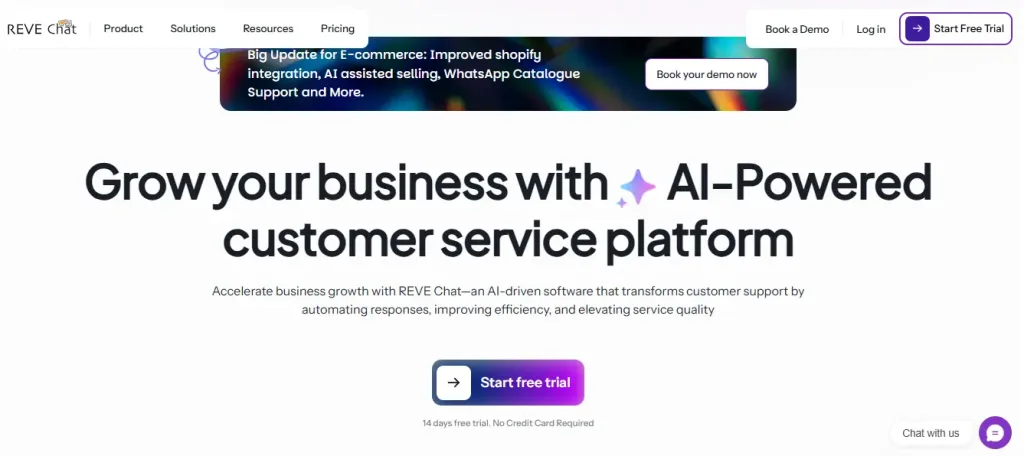
Best for growing ecommerce stores that want reliable 24/7 AI support with live chat backup, reduce cart abandonment, and boost upsells without worrying about quick limits or paying soon.
REVE Chat stands out as a strong all-in-one for online shops. You get AI chatbots that answer common questions like order status, product availability, returns, and sizing right away, pulling data where possible to keep things accurate. It mixes bot automation with live chat, so complex issues go to you seamlessly.
For ecommerce, it supports proactive greetings (“Need help with sizing?”), cart nudges, and multi-channel reach (website + messengers). BrainAI and machine learning make replies feel smarter over time.
Small stores love it because the free plan lasts forever, perfect for testing and scaling without pressure. Setup is quick on Shopify or similar, and it cuts support load while quietly boosting conversions through better engagement.
Overall, it’s built for businesses like yours that need dependable help without breaking the bank early on.
Key Features
- AI-Powered Chatbots: Brain AI answers tracking, stock, returns, and sizing naturally; gets smarter from past chats. Focuses on real buyer concerns to keep conversations helpful and close sales faster. Reduces the robotic feel that drives shoppers away.
- Live Chat + Bot Hybrid: AI handles simple questions 24/7; hands complex ones (refunds, complaints) to you with full history. Saves hours daily while keeping the personal touch customers expect. Smart way to scale support without extra hires.
- Proactive Messaging & Triggers: Auto-greet based on page, time, or behavior; suggest products or recover carts at the right moment. Quietly boosts conversions and average order value without feeling pushy. Easy to set up and customize for your store.
- Multi-Channel Support: Website widget + Facebook, Instagram, WhatsApp, and manage all from one dashboard. Captures conversations wherever customers message, improving reach for ecommerce. Keeps support consistent across channels.
- Visitor Analytics & Insights: Track top questions, drop-offs, and product interest to spot trends and fix issues. Use real chat data to improve listings, FAQs, or upsell opportunities. Simple reports guide smarter store decisions.
- Easy Integrations: Quick plug-in to Shopify, WooCommerce, BigCommerce, no coding required. Pulls live order/stock data for accurate answers once connected. Go live fast, even if you’re not technical.
- Multilingual Capability: Supports 40+ languages (English, Spanish, French, Arabic, Hindi, German, etc.) in free plan. Auto-detects shopper language and replies fluently, no manual translation needed. Opens international markets, reduces confusion, and welcomes global buyers at no extra cost.
Pros
- Truly lifetime free plan, ideal for startups or small shops testing without risk.
- Strong ecommerce focus, order lookups, upsells, and proactive help drive more sales.
- A hybrid bot + human setup saves time and feels personal.
- Good analytics help you spot trends and fix issues fast.
Cons
- Free plan caps at 50 chatbot sessions/month, but busy stores upgrade sooner.
- Some advanced AI training needs paid tiers.
Pricing
Offer a Free Lifetime Plan, or a 14-day free trial with all enterprise-grade features.

2. Tidio
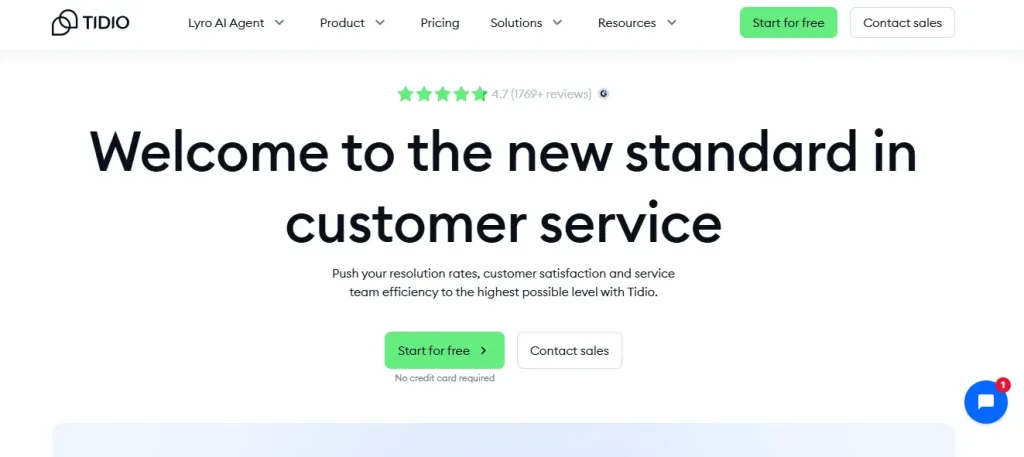
Best for small ecommerce shops wanting easy AI automation and multi-channel support on a budget.
Tidio works great for online stores, its Lyro AI handles common questions like order status, sizing, or returns, while also recovering abandoned carts and suggesting related products to boost sales. The free tier includes basic live chat plus bot flows to automate FAQs and simple order help. It integrates deeply with Shopify, letting you view real-time carts, recommend items, and manage orders right in the chat.
Small businesses love how it cuts response times and uses gentle nudges to increase conversions. Limits apply (like 50 conversations/month), but it’s a solid, beginner-friendly starter for shops on a tight budget that need quick setup and multi-channel reach across Messenger, Instagram, and WhatsApp.
Key Features
- Live chat + AI Lyro for automated replies.
- Shopify actions: view carts, recommend products, and manage orders in chat.
- Flow builder for cart recovery and upsells.
- Multi-channel: Messenger, Instagram, WhatsApp.
- Basic analytics and visitor tracking.
Pros
- Super easy Shopify setup.
- Good for recovering abandoned carts.
- Free AI replies help a lot.
Cons
- Only 50 billable conversations/month are free.
- Flows limited to 100 unique visitors.
- Lyro AI first 50 conversations free lifetime, then paid.
Pricing
- Free: $0 (50 conversations/month, basic features). Paid from ~$29/month for more.
3. ProProfs Chat
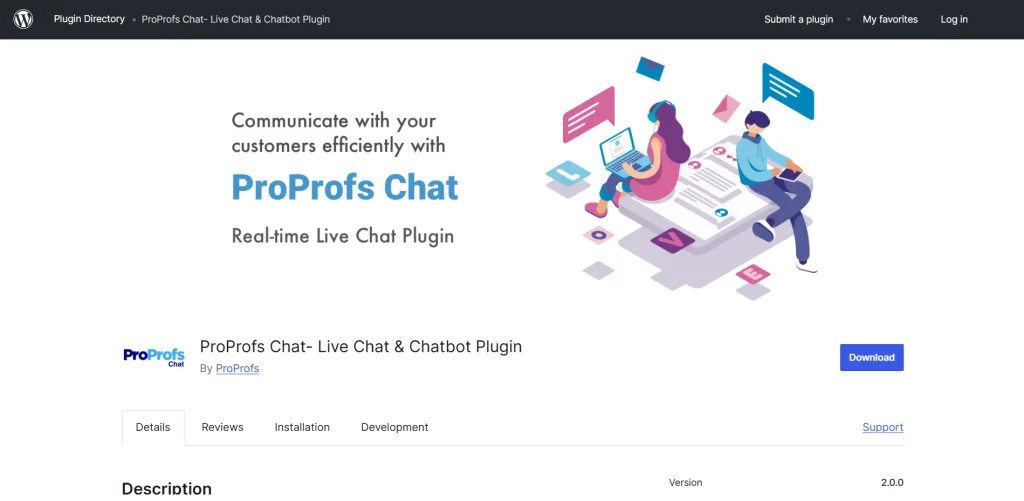
Best for solo ecommerce owners or tiny teams needing chats for free with one agent.
ProProfs Chat delivers a forever-free plan for a single operator packed with features, unlimited chats, AI bots (as an add-on), proactive triggers, and strong ecommerce integrations like Shopify and WooCommerce.
It’s ideal if you’re running support alone and want professional tools without any ongoing cost. The widget customizes easily, visitor tracking shows who’s browsing what, and triggers let you greet or engage based on behavior to prevent cart abandonment.
Setup is quick, and it handles routine questions well while routing complex ones to you. For small online shops, this means pro-level support and engagement without paying, though scaling to teams requires upgrading.
Key Features
- Unlimited chats forever free.
- AI chatbots and workflows.
- Proactive triggers and routing.
- Shopify/WooCommerce integrations.
- Visitor tracking and reports.
Pros
- All premium features in a free single-user plan.
- No chat limits.
- Easy to customize widget.
Cons
- Only 1 operator free.
- Advanced AI may need a paid add-on.
- Less deep order pulling in free.
Pricing
- Free forever: $0 (single operator, unlimited chats). Team plans from ~$20/agent/month.
4. Landbot
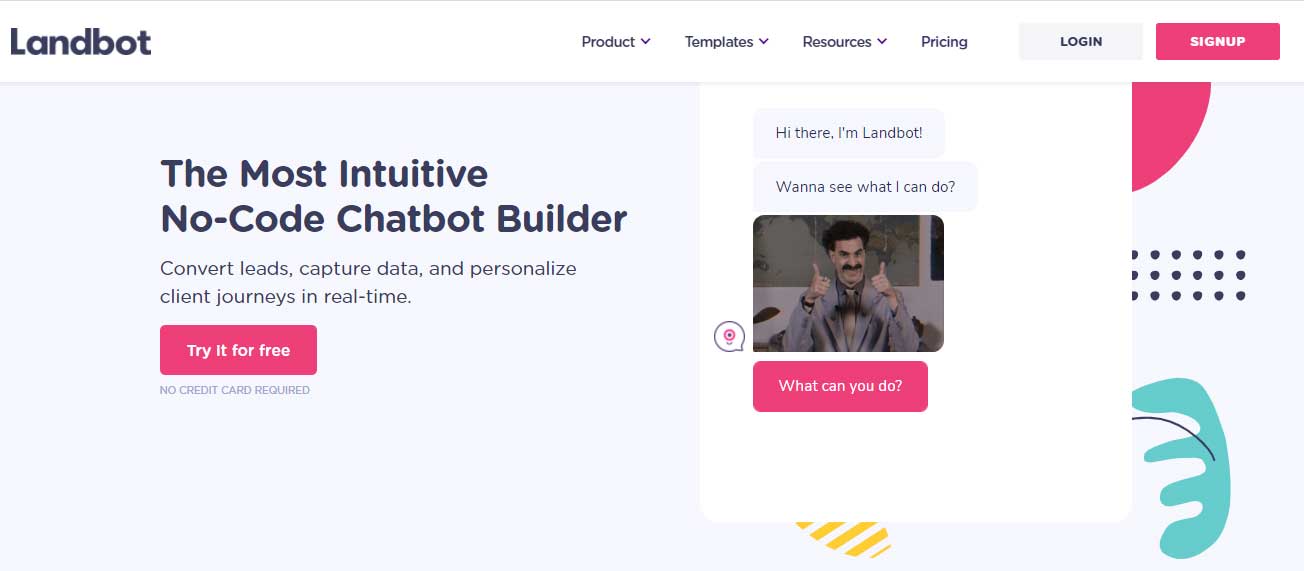
Best for visual chatbot builders who want no-code flows for lead gen and support on website/WhatsApp.
Landbot lets you create conversational bots with a simple drag-and-drop builder, perfect for guiding shoppers through product recommendations, FAQs, sizing quizzes, or checkout steps.
The free sandbox plan gives 100 chats/month to test and play around. It shines for interactive experiences that engage visitors longer, like personalized quizzes that suggest items or collect leads before they leave.
Human handover works when needed, and basic integrations connect to tools like Zapier. For ecommerce, it’s great if you want custom flows without code, though free limits are tight and AI depth is basic compared to others.
WhatsApp adds extra reach but costs more.
Key Features
- No-code flow builder.
- Basic integrations (Zapier, etc.).
- Human handover.
- Goals and custom code basics.
Pros
- Easy drag-and-drop setup.
- Good for engaging quizzes/flows.
- Free forever option.
Cons
- Only 100 chats/month free.
- Limited AI depth for free.
- WhatsApp is separate/expensive.
Pricing
- Sandbox free: $0 (100 chats/month). Paid from ~$32/month.
5. Freshchat
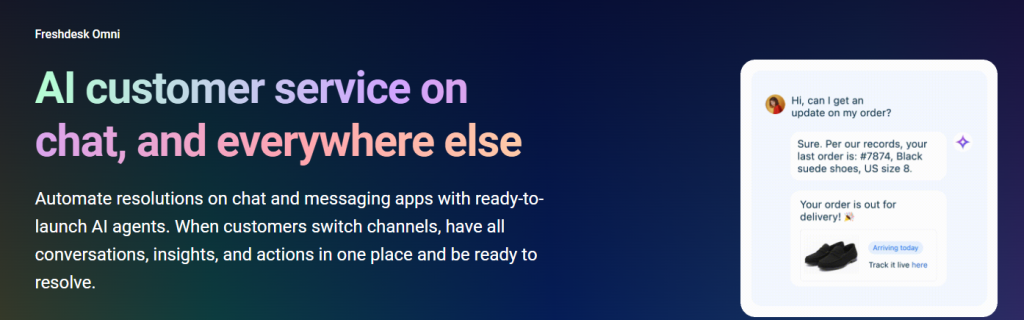
Best for teams up to 10 agents wanting free forever live chat with ticketing and basic AI potential.
Freshchat provides a generous free forever plan for up to 10 agents, combining live chat, ticketing, inbox management, and knowledge base in one spot. It’s strong for human-led support on ecommerce sites, letting your team handle questions about orders, returns, or products while tracking everything in a unified dashboard.
Multichannel options (like WhatsApp or Messenger) come in paid plans, but the free tier covers basics well for small teams scaling together.
No free AI chatbot sessions here, so bots need upgrades, but it’s reliable for ticket deflection and keeping support organized without early costs.
Great if your store needs team collaboration more than heavy automation.
Key Features
- Unlimited agents (up to 10 free).
- Ticketing and inbox.
- Mobile SDK.
- Basic reports.
Pros
- Generous agent limit is free.
- Combines chat + tickets.
- Good for scaling teams.
Cons
- No free AI chatbot sessions.
- AI needs a paid Growth plan.
- Less ecommerce-specific nudges.
Pricing
- Free forever: $0 (up to 10 agents). Growth from ~$23/agent/month.
6. HubSpot Chatbot Builder
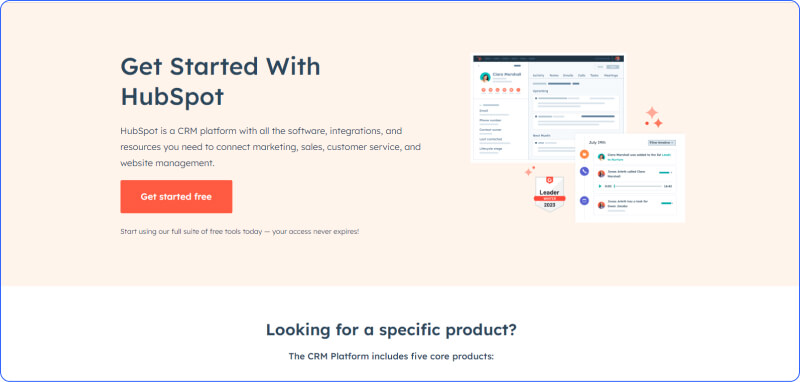
Best for businesses in the HubSpot ecosystem wanting free rule-based bots for leads and basic support.
HubSpot’s free chatbot builder lets you create simple, rule-based bots to qualify leads, answer FAQs, book meetings, or guide shoppers through basic support like policy checks.
It ties straight into HubSpot’s free CRM for tracking interactions and contacts, no limits on bot creation or usage. Templates make setup fast without coding, and it’s perfect if you’re already using HubSpot tools for marketing or sales.
For ecommerce, it captures leads well and handles straightforward questions, but conversations feel more structured than natural AI chats.
HubSpot branding shows in the widget, and advanced ecommerce features (like deep order pulling) need paid upgrades. Solid free entry for lead-focused stores.
Key Features
- No-code chatbot sequences.
- Lead qualification and forms.
- Meeting booking.
- CRM integration.
Pros
- Completely free forever.
- Easy templates.
- Good for lead capture.
Cons
- Rule-based, less natural AI.
- HubSpot branding.
- Limited advanced ecommerce.
Pricing
- Free forever: $0 (full builder access).
7. Collect. chat
Best for simple, quick surveys and lead collection with basic bot flows.
Collect. chat turns conversational forms into easy bots, great for collecting emails, feedback, product preferences, or qualifying leads right on your site. The free tier works for low-volume ecommerce stores wanting pop-up style engagement without complex setup.
It focuses on interactive questions that feel like chatting, helping capture data for newsletters or improving products based on what shoppers say. Basic integrations connect to tools like email lists, and analytics show response patterns.
It’s not a full support powerhouse, but for lead gen or quick surveys (like “What size do you need?”), it keeps things light and effective. Affordable scaling if you grow beyond basics.
Key Features
- Conversational forms/bots.
- Lead capture.
- Basic integrations.
- Analytics.
Pros
- Easy for quick setups.
- Good for feedback/surveys.
- Affordable scaling.
Cons
- Less full support focus.
- Limited chat depth is free.
- Not as sales-oriented.
Pricing
- Free tier available; paid from a low monthly.
8. Zoho SalesIQ
Best for Zoho users wanting integrated chat with analytics and multi-channel.
Zoho SalesIQ brings live chat, basic bots, visitor tracking, and multi-channel messaging (website + social) into one platform, especially strong if you’re already in the Zoho ecosystem for CRM or other tools. The free plan includes 3 operators and covers essentials like real-time monitoring and simple automation to greet or route chats.
For ecommerce, it tracks who’s viewing products and lets you engage proactively to answer questions or suggest items.
Analytics help spot trends in visitor behavior. Setup ties nicely with Zoho apps, but outside that ecosystem, it can feel more complex.
Free limits are reasonable for small stores, with paid plans adding deeper bots and features.
Key Features
- Live chat + basic bots.
- Visitor tracking.
- Multi-channel.
- Analytics.
Pros
- Strong if using Zoho.
- Good insights.
- Scalable.
Cons
- Free limits are tight.
- Set up a complex outside Zoho.
Pricing
- Free tier; paid from low.
9. LiveAgent
Best for all-in-one support with chat, tickets, call in one dashboard.
LiveAgent combines live chat with full ticketing, email integration, and even call center features in a single dashboard. It is ideal for ecommerce stores wanting unified support without switching tools.
The free plan is limited (one email address, basic features, no integrations), but a 30-day trial unlocks everything to test fully. It handles order questions, returns, and tracking while routing tickets automatically. Multi-channel keeps conversations in one place, and reports show support performance.
Great for growing shops that need more than just chat, think tickets for follow-ups, or calls for urgent issues. Once past the trial, paid plans start low, but there is no strong free forever option.
Key Features
- Live chat + tickets.
- Call center.
- Integrations.
Pros
- Full support suite.
- Multi-channel.
Cons
- No strong freedom forever.
- More for larger teams.
Pricing
- Trial free; paid from ~$15/agent.
10. ManyChat
Best for social/messaging automation (Instagram, WhatsApp, Messenger) for ecommerce marketing.
ManyChat builds powerful flows on social channels, automating cart recovery, product promos, order updates, and personalized follow-ups via Instagram DM, WhatsApp, Messenger, and more.
The free plan handles basics up to 1,000 contacts with standard triggers and ecommerce templates to guide shoppers. It’s excellent for ecommerce marketing, sending abandoned cart reminders, or upselling via messages without a website focus.
Website chat is limited, but social automation shines for driving traffic and sales through direct chats. Free caps on contacts and triggers mean upgrading for bigger lists, but it’s a low-risk way to start social selling and engagement.
Key Features
- Messenger/Instagram bots.
- Flows and sequences.
- Ecommerce templates.
Pros
- Great for social sales.
- Easy automation.
Cons
- Website chat is limited.
- Free caps on contacts.
Pricing
- Free tier; pro from low monthly.
How to Choose the Free AI Chatbot?
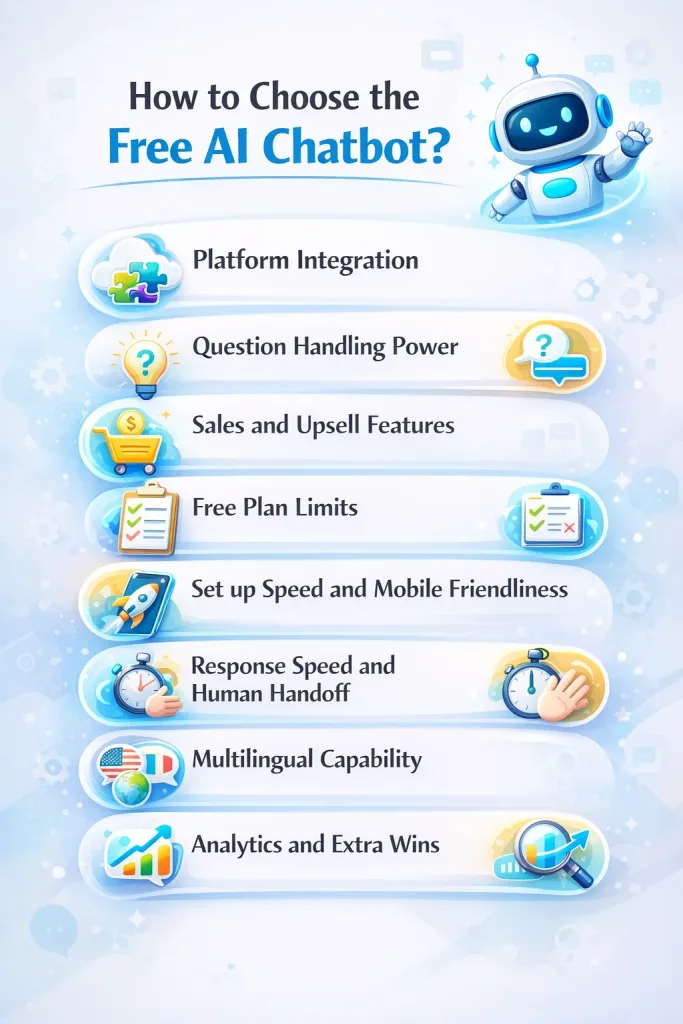
You want a free AI chatbot that solves your ecommerce problems, such as fewer support tickets, happier customers, and more sales without surprises.
Here are the must-check points, including multilingual support, since many stores sell to buyers worldwide.
Platform Integration
Pick one that connects smoothly to your store platform like Shopify, WooCommerce, or BigCommerce. It should pull live data such as order status, stock levels, and shipping details right in the free plan.
Without good integration, the bot gives vague answers that frustrate customers and make you step in manually. Test it early: ask about a sample order and see if it gets the facts right.
Question Handling Power
The bot needs to handle your most common questions: sizing, fit, availability, tracking, returns, and cancellations.
It should understand natural, messy messages (“this shirt is small, help pls”) and reply correctly without getting stuck. Chat with it yourself like a real impatient customer; if it solves 70-80% of questions alone, it’s strong.
Sales and Upsell Features
Go for one that helps sell, not just answers. Look for free tools that suggest related items, remind you about abandoned carts, or encourage adding to the cart at checkout. These quiet nudges can increase your average order value and recover sales you’d otherwise lose.
Free Plan Limits
Check the real numbers: how many conversations or messages per month? You need at least 500–2,000 chats in free mode to cover normal traffic without hitting limits fast. Make sure important features like order lookup or product suggestions stay available in the free tier.
Set up Speed and Mobile Friendliness
Setup should be dead simple, one-click install or quick code paste, no developer needed.
The chat window must look good and work smoothly on phones, since mobile is half (or more) of your traffic. If it’s slow to add or looks broken on mobile, customers will leave before buying.
Response Speed and Human Handoff
Replies should come in under 3 seconds; waiting kills sales. When the bot can’t handle something, it needs to pass the chat to you or your team with the full conversation history. Test it during off-hours; reliable ones stay fast and don’t drop.
Multilingual Capability
If you sell to international customers (or plan to), choose one with built-in multilingual support in the free plan. It should auto-detect language and reply in the shopper’s tongue, such as English, Spanish, French, Arabic, etc., without you translating manually.
Good multilingual bots make non-English speakers feel welcome, reduce confusion, and help you reach more markets without extra cost.
Analytics and Extra Wins
Free analytics let you see popular questions, chat drop-offs, or sales influenced by the bot. Use this to improve your store. Extras like email capture at the end of chats or quick feedback collection help build your customer list.
Start simple: list your top 2-3 pains right now, then test 2-3 free chatbots on a test page of your store for a week. The one that cuts your workload the most, feels natural, and brings in extra sales is the one to keep.
Benefits of Having a Free AI Chatbot
Adding a free AI chatbot to your website brings real changes you feel right away, no big budget needed. Here are the top ones I’ve seen make the biggest difference for small to medium online shops.
24/7 Support Without Extra Staff
Your store stays open all night, and so does the help. Customers in different time zones or late-night shoppers get answers instantly, no waiting till morning.
In my tests, this alone cut angry “where’s my order” emails by a ton, especially during holidays or flash sales. Shoppers feel taken care of anytime, which keeps them coming back instead of shopping elsewhere.
Lower Support Costs You Actually Notice
Free plans handle the repetitive stuff (80% of questions like “track my package” or “return rules”) so you don’t need as many agents or overtime.
For small stores, this means hundreds saved monthly, no hiring just to cover basics. The human team focuses on tricky issues, like customer complaints, while the bot does the heavy lifting.
Higher Sales and Fewer Abandoned Carts
The bot doesn’t just answer, it sells automatically. It suggests “add these socks to match” or reminds “you left this hoodie in your cart.”
In real runs, I’ve seen average order value go up 10-20% and abandoned carts recover because someone got nudged at the right moment. It turns browsers into buyers without extra ads or emails.
Happier Customers and Better Reviews
Quick, accurate help makes people smile, higher satisfaction scores, more 5-star reviews, and repeat sales. Shoppers who get instant fixes rate your store higher and tell friends. From what I’ve seen, stores with good chatbots see fewer bad reviews about “no one responds.”
Personalized Touch Without Extra Work
Even free versions use basic data to recommend products based on what the shopper browses or asks. It feels custom like “this jacket in blue matches what you looked at”—without you manually doing it. This builds loyalty; customers think your store “gets” them.
Easy Way to Collect Feedback and Leads
At the end of chats, the bot can ask “how was this?” or grab emails for newsletters.
You get insights on hot questions (like sizing complaints) to fix products faster. Plus, it builds your list for future promotions, all without manual follow-up.
Common Challenges With Free AI Chatbot Tools
Free AI chatbots help a lot with ecommerce support, but they come with real hurdles, especially in the free tiers.
I’ve run into these myself in test stores, and most stores hit them early. Here are the main ones, plus simple ways you can dodge or fix them so your bot keeps working well.
Limited Message or Conversation Caps
Free plans often cut you off at 500–1,000 chats per month (or even less for some tools).
During a sale, holiday rush, or sudden traffic spike, you hit the wall fast, the bot stops responding or switches to basic mode, and customers get frustrated or leave.
To avoid it: Pick tools with higher free limits from the start (check the exact number before setup). Start small, monitor your monthly chats in analytics, and have a backup plan, like directing to email or an FAQ page when you are near the cap.
Struggling with Complex or Vague Questions
Many free bots still miss the mark on tricky stuff such as nuanced returns, custom complaints, emotional issues, or vague typing like “this thing broke help”. They give generic replies, loop, or hand off too soon, making shoppers feel ignored and hurting your reviews.
How to handle: Train the bot with your top real questions and examples during setup.
Use clear greetings and quick menus for common paths, and always include an easy “talk to human” button so no one gets stuck.
Lack of Deep Personalization or Empathy
Free versions often sound a bit robotic or miss the human touch, no real understanding of frustration, urgency, or subtle needs. Customers notice, especially in sensitive cases like refunds or delays, and it can lead to bad experiences or lost loyalty.
Fix it: Set up the bot to use friendly, casual language that matches your brand voice.
Add empathy phrases like “I get how annoying that is” in responses, and route emotional or complex chats straight to live agents early.
Integration Limits and Data Pull Issues
In free mode, some bots can’t fully connect or pull live data, no real-time order tracking, stock checks, or personalized suggestions. Answers stay vague (“check your email”), trust drops, and you end up jumping in manually anyway.
Avoid by: Test integration right away on a staging site, ask about a fake order and see if it grabs details. Choose tools with strong native plugins for your platform (Shopify shines here), even if it means switching early.
Slow Replies or Downtime During Peaks
Free tiers sometimes lag (over 3-5 seconds) or slow down when servers get busy, shoppers won’t wait, and bounce. Late-night or flash-sale moments are the worst, killing the 24/7 promise.
To dodge: Test speed at odd hours and during mock busy times. Pick reliable providers with good uptime reports, and add a fallback message like “Hang on, grabbing that info” to keep people patient.
Privacy and Data Concerns
Bots collect chats, emails, and order info. Free ones might have weaker security or unclear policies, raising GDPR worries (especially if you sell internationally). A breach or complaint can hurt your store’s rep fast.
Handle it: Read the privacy terms before adding the bot. Only collect what’s needed, add clear consent notices in the chat, and use tools from companies with solid compliance track records.
Over-Reliance Leading to Poor Handoffs
You lean too hard on the bot, but when it fails, the handoff to humans feels clunky, no chat history is passed, or agents start cold. This frustrates everyone and wastes time.
Prevent by: Set smart rules for handoff (e.g., keywords like “refund” or after 3 failed tries).
Make sure full conversation logs go to your team dashboard so they pick up seamlessly.
Conclusion
Picking the right free AI chatbot in 2026 doesn’t have to be overwhelming. These ten tools prove you can get smart, fast, reliable conversations without opening your wallet right away.
Some shine for their lifetime free plans, others for easy setup or multi-channel reach, but they all help you answer questions quicker, keep people engaged, and save real time.
The biggest win? You don’t need to commit to paid plans until you’re ready. Start small, test what clicks, and watch how much smoother things get. Why wait? Grab a free chatbot today, start with REVE Chat’s lifetime free plan, and see the difference for yourself in minutes.
Frequently Asked Questions
Most free AI chatbots offer a lifetime or generous starter plan with no upfront cost. You get core features like basic AI replies, a site widget, and a set number of monthly conversations.
Limits exist (like session caps or fewer advanced tools), but for small to medium use, the free tier often handles everything you need without paying.
Yes, REVE Chat has true lifetime free plans that don’t expire or force upgrades for basic use. Others (Tidio, HubSpot) give unlimited free access to certain features, but you may hit conversation limits during high traffic and need to upgrade later.
Many on this list support multilingual replies in the free plan. REVE Chat handles 40+ languages with auto-detection, and Tidio and Zoho SalesIQ cover the major ones too. It’s a big plus for global reach without extra setup or cost.
Most take 5–15 minutes, copy-paste a code snippet, or install a one-click app (especially easy on Shopify/WooCommerce). No coding skills needed for the basics; you can customize greetings and flows right after.
Good ones do both, they suggest related products, remind about abandoned carts, and keep shoppers engaged longer, often leading to higher order values.
In tests, proactive nudges quickly help recover sales that would otherwise be lost.