




Table of Content
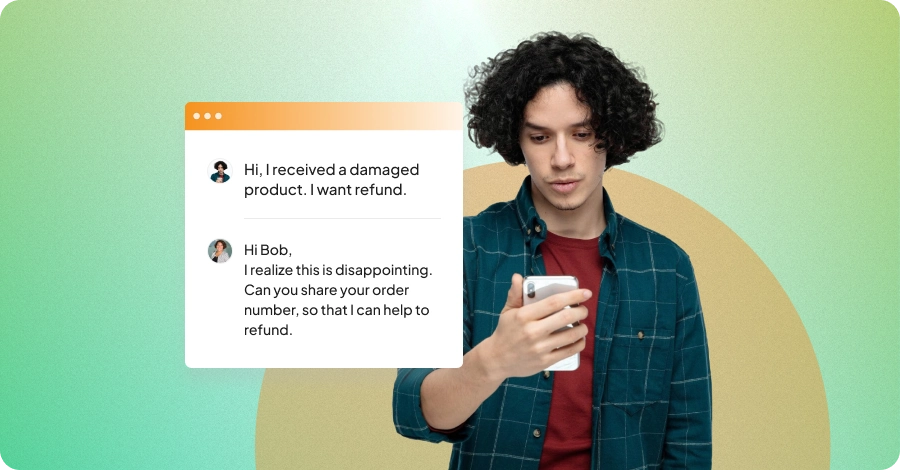
Have you ever had a customer vent their frustration, and your “sorry for the inconvenience” just made it worse? You can almost hear them sigh through the screen!
The truth is, a weak apology can push customers away, but a heartfelt one can win them back. A 2024 Forrester study says 65% of customers want empathy, not generic phrases.
In this blog, you’ll get 15 better ways to say sorry, plus tips and templates to craft apologies that rebuild trust and keep customers loyal.
Ready to turn complaints into connections? Let’s jump in and make your customer service shine!
What Does “Sorry for the Inconvenience” Mean?
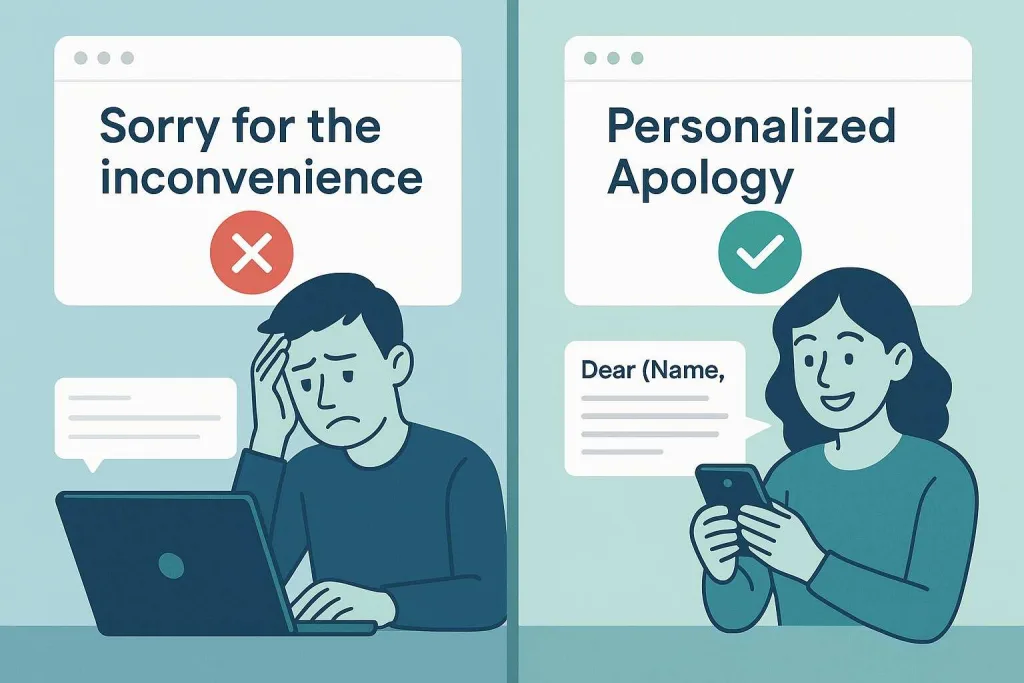
“Sorry for the inconvenience” is a phrase businesses use to apologize for issues like delays or errors that frustrate customers. It aims to show empathy, but often feels generic.
Have you heard “sorry for the inconvenience” after a late delivery or website glitch? It’s a business’s way of saying, “Whoops, we dropped the ball, and we’re sorry.”
This phrase acknowledges a customer’s frustration, such as delayed orders, billing mix-ups, or app crashes, and shows a bit of empathy.
Here’s the thing: a great apology goes further. It:
- Admits the mistake (no dodging!).
- Shows real regret.
- Offers a solution or next steps.
- Promises to prevent it from happening again.
It’s like saying, “Hey, we know this was frustrating, and we’re fixing it fast.” That kind of apology keeps customers happy and loyal.
Quick Tip: Swap “sorry for the inconvenience” for something like “We’re so sorry for the delay, let’s make this right!”
Here is an example;
Sorry for the Inconvenience Synonyms
If you are looking for some amazing sorry for the inconvenience synonyms to boost your customer service level, then below are some alternatives. I hope these decent alternatives will help you a lot to apologize when any inconvenience is caused.
- I Realize This Is Disappointing
- I Understand Your Frustration
- Please Accept My Sincere Apology
- Please Let Me Know If There Is Anything I Can Do
- I Apologize Unreservedly
- Thanks for Your Patience
- Let Me Help
- I apologize for Any Inconvenience This May Cause, and I appreciate Your Understanding
- We Sincerely Apologize for the Inconvenience Caused
- We Apologize for the Disruption
- We Regret Any Trouble This May Have Caused
- Thank You for Bringing This to Our Attention
- We Appreciate Your Understanding
- We’re Working to Resolve This Issue as Quickly as Possible
- I Regret Any Confusion This May Have Caused
Why Do Customers Dislike “Sorry for the Inconvenience”?
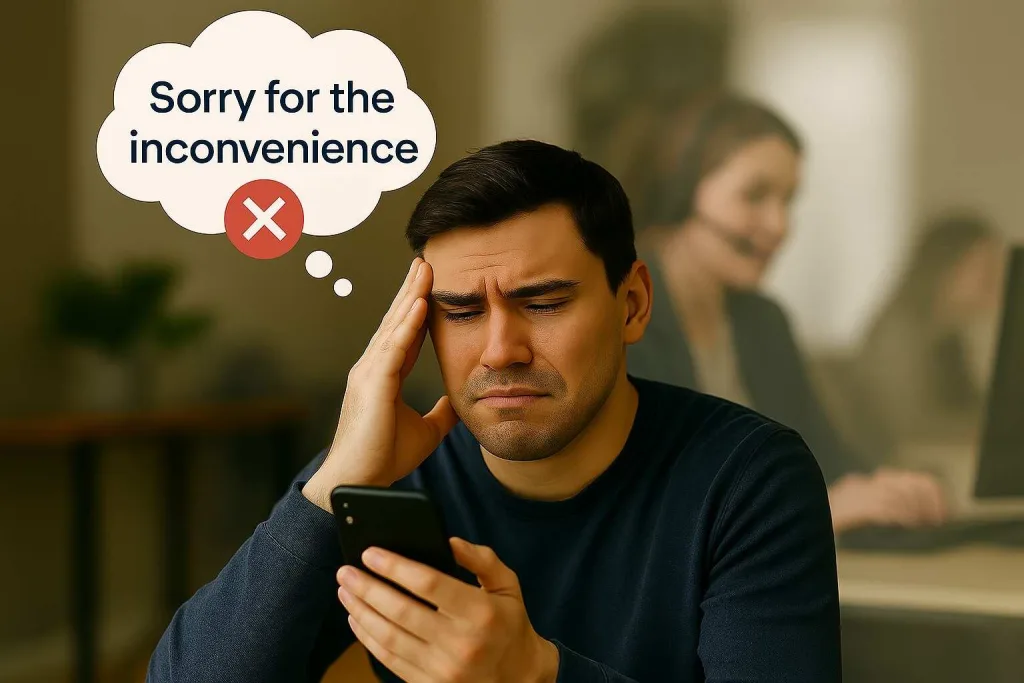
Ever say “sorry for the inconvenience” and feel it didn’t hit the mark? Customers often cringe at this phrase, and here’s why.
A Forrester study says only 40% of folks are okay with it, while 35% would rather hear nothing. It sounds like a scripted line that lacks heart, making customers feel you don’t really get their frustration over a late order or website glitch.
Worse, it shows no rush to fix things, which can hurt trust; 50% might even badmouth your brand! Try something like, “We’re so sorry for the delay, we’re fixing it now.”
When Is It Okay to Say “Sorry for the Inconvenience”?
“Sorry for the inconvenience” is not grammatically incorrect or inherently unprofessional. The problem is that it can sound generic when it is used for every customer issue.
The phrase may still be appropriate when the inconvenience is minor, temporary, and already understood by the customer. For example, it can work in:
- Scheduled maintenance notifications
- Brief website interruptions
- Small appointment delays
- Temporary feature limitations
- General notices affecting many customers
For example:
We’re sorry for the inconvenience. The payment portal will be unavailable from 2:00 a.m. to 3:00 a.m. while we complete scheduled maintenance.
In this situation, the message clearly explains what is happening and how long it will last. The apology supports the information rather than replacing it.
However, avoid relying on the phrase alone when the customer has experienced a serious problem, such as an incorrect charge, lost order, repeated service failure, data issue, or significant financial loss. These situations require a specific apology, personal accountability, and a clear resolution.
Instead of:
Sorry for the inconvenience.
Write:
I’m sorry that you were charged twice. I have reversed the additional charge, and the amount should appear in your account within three to five business days.
The more serious the impact, the more specific and action-focused your apology should be.
How to Write a Meaningful Customer Apology
A strong customer apology should do more than express regret. It should show that you understand what happened, accept responsibility, and are actively working toward a resolution.
Use this five-part structure:
1. Acknowledge the Specific Problem
Name what went wrong rather than referring vaguely to an “inconvenience.”
Instead of:
We apologize for the inconvenience.
Try:
I’m sorry your order did not arrive on the promised date.
Being specific shows the customer that you have read or listened to their concern.
2. Recognize the Customer’s Experience
Explain that you understand how the problem affected them.
For example:
I understand how frustrating it is to wait for an order without receiving a clear update.
Avoid exaggerating or assuming emotions the customer has not expressed. Keep the acknowledgement relevant to the situation.
3. Take Responsibility
Use clear and direct language when your business made the mistake.
For example:
We provided the wrong delivery estimate, and we should have updated you sooner.
Avoid shifting responsibility to another department, supplier, system, or employee. Even when another party contributed to the problem, the customer expects your business to manage the resolution.
4. Explain the Solution or Next Step
Tell the customer exactly what has been done or what will happen next.
For example:
I have arranged a replacement, and it will be shipped today at no additional cost. You will receive the tracking link by email within the next two hours.
Specific actions and timelines are more reassuring than statements such as “we are looking into it.”
5. Close With Appreciation and Follow-Up
Thank the customer for their patience, feedback, or understanding, and let them know how to reach you if they need additional help.
For example:
Thank you for your patience while we resolved this. I will check the shipment tomorrow and update you if anything changes.
A complete apology might look like this:
I’m sorry your order did not arrive on the promised date. I understand that you needed it before the weekend, and we should have informed you as soon as the delay occurred. I have arranged priority delivery at no additional cost, and your package is now expected tomorrow. You will receive an updated tracking link shortly. Thank you for your patience, and please reply here if there is anything else I can help with.
Should You Say “Sorry” or “Thank You”?
“Sorry” and “thank you” serve different purposes in customer communication.
Use “sorry” when your business caused a problem or failed to meet a reasonable expectation.
Examples include:
- Sending the wrong product
- Charging the customer incorrectly
- Missing a promised deadline
- Providing inaccurate information
- Failing to respond within the expected time
For example:
I’m sorry we sent the wrong item. I have arranged the correct replacement today.
Use “thank you” when the customer is waiting patiently while an issue is being addressed, particularly when the problem is minor or outside your direct control.
For example:
Thank you for your patience while our team completes the scheduled update.
For more serious situations, combine both:
I’m sorry that the service interruption affected your work today. Thank you for your patience while our engineers restore full access.
An expression of gratitude should not be used to avoid taking responsibility. Saying “thank you for understanding” without first acknowledging a significant mistake can make the customer feel pressured to accept the situation.
How to Choose the Right Apology Phrase
The right wording depends on the seriousness of the problem, the communication channel, and the relationship you have with the customer.
1. For a Minor Delay
Use:
Thank you for your patience. We’ll be with you shortly.
Best for short wait times, small delivery delays, or routine support queues.
2. For a Clear Business Mistake
Use:
I’m sorry—we made an error, and I’m correcting it now.
Best for billing mistakes, incorrect information, or processing errors.
3. For a Frustrated Customer
Use:
I understand why this has been frustrating. Let me take care of it for you.
Follow this with a real action rather than leaving it as a standalone statement.
4. For a Serious Service Failure
Use:
Please accept our sincere apology. We did not deliver the level of service you should expect from us.
Best for repeated failures, prolonged outages, missed commitments, or high-impact problems.
5. For an Ongoing Technical Issue
Use:
We’re sorry for the disruption. Our technical team is actively working on the issue, and we’ll provide the next update by [time].
Include a specific update time even when you cannot yet provide a resolution time.
6. For a Formal Business Message
Use:
Please accept my sincere apology for the delay in processing your request.
This is suitable for clients, partners, senior stakeholders, academic communication, or formal complaints.
7. For a Casual Brand Voice
Use:
We’re sorry—we got this one wrong. Here’s what we’re doing to fix it.
Casual wording can feel more human, but it should not make a serious problem sound unimportant.
Examples for Different Customer Service Channels
Customer apologies should be adapted to the channel. A full email may be appropriate for a billing dispute, while live chat and social media responses need to be shorter and more immediate.
1. Live Chat
I’m sorry your payment isn’t going through. Let me check the transaction and help you complete the order.
I understand why the delay is frustrating. I’m checking the latest delivery update now.
2. Customer Support Email
I’m sorry that your subscription remained active after your cancellation request. I have now cancelled the account and processed a full refund for the additional charge. The refund should appear within five business days.
3. Phone Support
I’m sorry we gave you the wrong information earlier. I’m going to take ownership of this and find the correct answer for you now.
When apologizing by phone, speak naturally, allow the customer to explain the problem, and avoid rushing through a scripted statement.
4. Social Media Reply
We’re sorry about this, Alex. Please send us your order number in a private message so we can investigate it immediately.
Do not ask customers to share account numbers, phone numbers, payment information, or other sensitive details publicly.
5. Service-Status Update
We’re sorry for the disruption affecting account access. Our technical team is working to restore the service. We will share another update by 3:00 p.m. UTC.
6. Support Ticket Update
Thank you for your patience. Our engineering team has identified the cause of the issue and is testing a fix. We expect to provide another update within two hours.
7. In-App Notification
Some users may be unable to upload files. We’re working on a fix and will update this message as soon as service is restored.
A Simple Customer Apology Template
Use this template to create a clear, personalized apology:
Hi [Customer name],
I’m sorry about [specific problem]. I understand that this [briefly describe the effect on the customer].
[Take responsibility or briefly explain what happened without making excuses.]
We have [describe the action already taken]. You can expect [result or next update] by [specific time or date].
Thank you for [your patience/bringing this to our attention/giving us the opportunity to resolve it]. Please [reply/contact us/use the provided link] if you need any further assistance.
Best,
[Agent name]
For example:
Hi Sarah,
I’m sorry that you received the wrong product. I understand that this has delayed the project you planned to complete this week.
We made an error while preparing your shipment and should have verified the item before dispatch.
I have arranged the correct replacement with priority delivery. It will ship today, and you will receive the tracking information within two hours. We have also included a prepaid label for returning the incorrect item.
Thank you for bringing this to our attention. Please reply to this message if there is anything else I can help you with.
Best,
[Agent name]
15 Common Customer Inconveniences (And How to Fix Them)
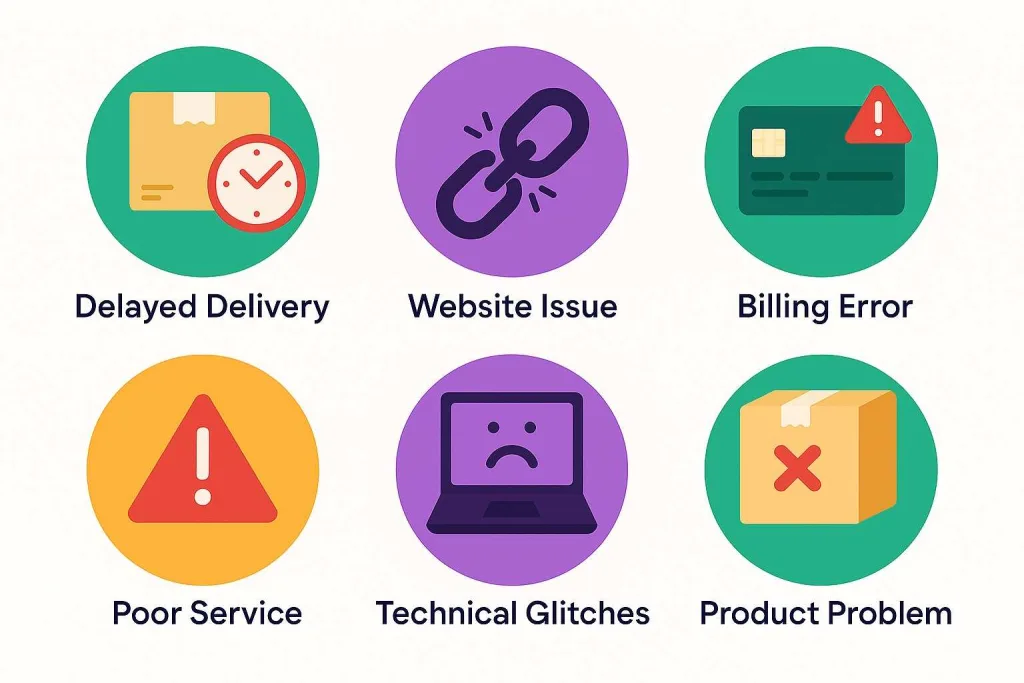
Hey, want to know what really gets under your customers’ skin? Understanding their frustrations lets you apologize better and keep them smiling. Want to improve CX? Read our blog on the 18 best ways to improve customer experience.
Here’s a rundown of 15 common headaches you’ll likely see, with practical tips to make things right.
- Delayed Delivery: Your customer’s package is late, throwing their plans into chaos, maybe they needed that gift for a birthday! Fix it with a heartfelt apology and a discount on their next order to show you value their time.
- Technical Glitches: App crashes or website bugs ruin their shopping or browsing experience, leaving them irritated. Tell them you’re on it, share a timeline for the fix, and maybe throw in a small credit for the hassle.
- Billing Errors: Wrong charges or billing mix-ups hit their wallet, and they’re stuck sorting it out with you. Refund the error ASAP, send a personal apology, and double-check their account to prevent repeats.
- Out-of-Stock Items: They’re excited to buy something, only to find it’s sold out with no warning. Let them know when it’s back in stock or suggest similar products to keep them shopping with you.
- Poor Communication: Your slow or vague replies leave them confused and wondering if you even care. Respond quickly with clear, friendly answers, and follow up to ensure they’re on the same page.
- Service Outages: Downtime from maintenance or unexpected issues blocks their access to your service. Keep them in the loop with regular updates and offer a goodwill gesture, like a free month or credit.
- Wrong or Lost Orders: They get the wrong item or their package goes missing, leaving them empty-handed. Replace it fast, cover all shipping costs, and add a small bonus to show you’re sorry.
- Misleading Information: Wrong details in an email or on your site set false expectations, sparking confusion. Clear it up immediately with accurate info, apologize sincerely, and ensure it won’t happen again.
- Rescheduled Appointments: A service or meeting gets pushed back unexpectedly, disrupting their schedule. Say sorry, offer a time slot that works for them, and maybe include a discount for their trouble.
- Website Navigation Issues: Broken links or error pages make browsing your site a frustrating maze. Fix the issue quickly, guide them to the right page, and consider a small discount for the inconvenience.
- Damaged Products: They open their package to find a broken or faulty item, ruining their excitement. Send a replacement or refund right away, include an apology, and cover all return costs.
- Service Interruptions: A service they rely on, like streaming or software, stops working for a bit. Share updates on the fix, compensate them with a credit or free extension, and keep them posted.
- Hidden Fees: Surprise costs pop up at checkout that you didn’t clearly mention, making them feel misled. Waive the fee, apologize, and update your pricing to be crystal clear moving forward.
- Long Wait Times: They’re stuck on hold forever, waiting to talk to your support team about their issue. Offer a callback option, streamline your support process, and apologize for the delay.
- Expired Promotions: A deal they were counting on ends early, leaving them disappointed and left out. Honor the offer or provide a similar discount to keep them happy and shopping with you.
15 Alternatives to “Sorry for the Inconvenience with Email Templates
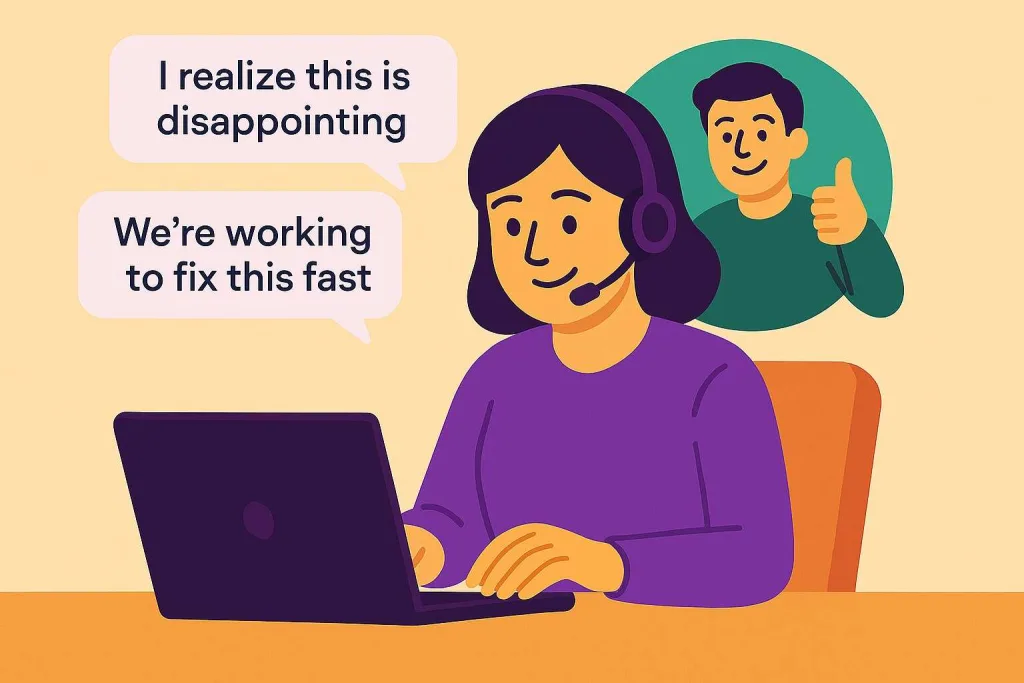
Customer service can be tricky, but a great apology can turn a frustrated customer into a loyal one. Skip the overused “sorry for the inconvenience” and use these 15 better phrases to show empathy, own the mistake, and keep customers happy.
Each comes with a description, pro tip, and email template to make your apologies stand out!
1. I Realize This Is Disappointing
You totally get how crushed your customer feels when their package is late or an item is sold out. Here, you’ll get more effective ways to deal with sorry for the late response. This phrase shows you’re right there with them, feeling their letdown. It’s perfect for delays or stock issues, building trust by proving you’re listening to their side. Use it to make them feel heard and valued.
Pro Tip: Name the specific issue to make it personal.
Template:
2. I Understand Your Frustration
When a glitch or delay hits, this phrase tells your customer you feel their annoyance. It’s not just a generic “sorry”; it says you’re tuned into their experience, whether it’s a crashing app or a late order.
Use it to keep things respectful while showing you’re ready to jump in and help. It’s a great way to calm their nerves.
Pro Tip: Pair with a quick solution to show you’re proactive.
Template:
3. Please Accept My Sincere Apology
For big mess-ups like an order that didn’t process, this formal yet warm apology says you own the mistake. It’s perfect when trust needs rebuilding, showing your customer you’re genuinely sorry for letting them down.
It feels personal, not scripted, and sets the stage for making things right. Use it to show you’re serious about their satisfaction.
Pro Tip: Respond fast to show accountability.
Template:
4. Please Let Me Know If There Is Anything I Can Do
Got a customer stuck on a website error? This phrase opens the door wide, showing you’re eager to roll up your sleeves and fix their issue.
It’s like saying, “I’m here for you, just tell me what you need.” It builds trust by making them feel supported and prioritized. Perfect for tech hiccups or navigation issues.
Pro Tip: Ask for details to resolve the issue faster.
Template:
5. I Apologize Unreservedly
When a major issue like a service outage hits, this no-excuses apology packs a punch. It tells your customer you’re deeply sorry and all in on fixing things.
It’s ideal for serious problems where you need to show total accountability. Use it to reassure them you’re not dodging the issue, you’re committed to their happiness.
Pro Tip: Use for high-impact errors to show accountability.
Template:
6. Thank You for Your Patience
Fixing a billing error? This phrase thanks your customer for staying cool while you sort things out. It keeps the vibe positive, showing you appreciate their understanding during a tricky moment.
It’s a great way to acknowledge their patience and reinforce that you’re working hard for them. Perfect for issues that take time to resolve.
Pro Tip: Explain the cause briefly for transparency.
Template:
7. Let Me Sort This Out
This short, proactive phrase jumps right in to fix order mix-ups or similar issues. It tells your customer you’re personally taking charge, making them feel supported and valued.
It’s like saying, “Don’t worry, I’ve got this.” Use it for quick fixes to show you’re on their side and moving fast.
Pro Tip: Follow up with a clear solution to build trust.
Template:
8. I Apologize and Appreciate Your Understanding
For disruptions like maintenance, this blends regret with gratitude, showing you’re sorry for the hassle and thankful they’re sticking with you.
It’s a warm way to acknowledge their inconvenience while keeping the connection strong. Use it to make them feel valued during unexpected hiccups. It’s all about building goodwill.
Pro Tip: Be clear about the issue to show you care.
Template:
9. We Sincerely Apologize for the Issue
This team-focused apology feels genuine when you’re dealing with delays or similar issues. It tells your customer everyone’s on board to fix their problem, not just one person.
It’s reassuring, showing you’re united in making things right. Perfect for issues affecting multiple customers, like a late shipment.
Pro Tip: Offer a goodwill gesture to rebuild trust.
Template:
10. We Apologize for the Disruption
When a website crash or outage throws your customer off, this validates their frustration. It says you’re sorry for the chaos and are working hard to get things back on track.
It’s a great way to show you’re not ignoring their pain, you’re actively fixing it. Use it for tech or service interruptions.
Pro Tip: Specify the issue to make it personal.
Template:
11. We Regret Any Trouble This Caused
For broad issues like billing errors, this warm, formal apology shows you’re sorry for the hassle.
It’s great for problems impacting many customers, letting them know you’re committed to making their experience better.
It feels sincere and sets the stage for a quick resolution. Use it to rebuild trust across the board.
Pro Tip: Share steps to fix it for transparency.
Template:
12. Thank You for Bringing This to Our Attention
When a customer flags a broken link or glitch, this shows you’re grateful for their heads-up. It tells them their feedback matters, and you’re acting fast to fix it.
It’s a trust builder, making them feel like a partner in improving your service. Perfect for issues they’ve helped you catch early.
Pro Tip: Offer a solution to show you value their effort.
Template
Pro Tips:
- Promptly acknowledging the customer’s issue shows that you value their feedback and are committed to resolving the problem.
- If possible, offer an immediate solution or outline the steps being taken to fix the issue.
- Always thank the customer for their feedback.
13. We Appreciate Your Understanding
For shipping delays or similar hiccups, this thanks your customer for hanging in there with a positive, warm tone.
It shows you’re grateful for their patience and want to keep the connection strong. Use it to make them feel valued, especially during busy times like holiday rushes. It’s all about keeping them on your side.
Pro Tip: Explain the cause to show transparency.
Template
14. We’re Working to Fix This Fast
When an app crash or glitch hits, this phrase shows you’re moving with urgency. It reassures your customer you’re all hands on deck to get their service back.
It’s a great way to show you’re not sitting still, you’re prioritizing their experience. You can use it for tech issues that need quick action.
Pro Tip: Share a timeline to manage expectations.
Template
15. I Regret Any Confusion This Caused
Misunderstood a promo or got bad info? This clears the air with transparency, showing you’re sorry for the mix-up and are dedicated to setting things straight.
It tells your customer you’re committed to clarity and their trust. Use it for misunderstandings that need a quick, honest fix.
Template:
How to Improve Customer Service Interactions?

Hey, want to make every customer feel like a special one? Do you know the importance of customer service? In customer service, great interactions can turn one-time buyers into loyal fans. Whether you’re answering questions or solving problems, these five strategies will help you shine and keep customers coming back.
- Listen Like You Mean It: Let your customer talk without cutting them off. It shows you respect their thoughts and helps you get the full picture of what they need. Ear on, interruptions off, you’ll build trust fast.
- Keep Them in the Loop: Update your customer regularly, even if it’s just a quick “we’re on it” note. Staying in touch shows you value their time and keeps them from wondering what’s up. Consistent communication is key.
- Make It Personal: Use their name and tailor your response to their situation. Nobody likes feeling like a ticket number! A personalized touch, like referencing their recent purchase, makes them feel special and valued.
- Respond Lightning Fast: Get back to them quickly, even if you don’t have all the answers yet. Speed shows you’re on their side and care about their needs.
- Empower Your Team: Give your support agent the tools and freedom to solve issues on the spot. When your team can make decisions without red tape, customers get help faster, and they’ll love you for it.
Quick Tip: Pair these strategies with our 15 apology phrases when things go wrong to keep interactions positive. Want to make it easier? AI tools can handle routine queries instantly, freeing you for the big stuff.
Ready to level up your customer service? Start a 14-day free trial with AI tools to boost your interactions today!
Customer Apology Mistakes to Avoid
Even a polite apology can make the situation worse when it sounds vague, defensive, or disconnected from a solution.
1. Apologizing Without Naming the Problem
Avoid:
We apologize for any inconvenience caused.
Better:
We’re sorry your delivery arrived three days later than promised.
A specific apology shows that you understand the customer’s actual experience.
2. Using “If” When the Problem Is Confirmed
Avoid:
We’re sorry if this caused any frustration.
The word “if” can imply that the customer may not have a valid reason to be upset.
Better:
We’re sorry this delay disrupted your plans.
3. Giving Excuses Instead of Explanations
Customers may need to understand what happened, but a long explanation can sound like an attempt to avoid responsibility.
Avoid:
The delivery was late because our warehouse was busy, the courier had several delays, and the order was submitted during a holiday period.
Better:
An unexpected processing delay affected your shipment. We should have informed you sooner, and we’re sorry that we did not.
4. Blaming Another Team or Provider
Avoid:
The courier made the mistake, so there was nothing we could do.
Better:
The shipment was delayed during delivery, but we remain responsible for helping you receive your order. I have contacted the courier and arranged an updated delivery date.
5. Making Empty Promises
Avoid promising that a problem will “never happen again” unless you know what caused it and what preventive measures have been introduced.
Better:
We have updated our verification process so that similar orders are reviewed before shipment.
6. Apologizing Repeatedly Without Taking Action
Several apologies cannot replace a solution.
Avoid:
We’re very sorry. We sincerely apologize again for the inconvenience.
Better:
I’m sorry this has not been resolved. I have escalated the case to our billing team, and you will receive an update by 4:00 p.m. today.
7. Using a Casual Tone for a Serious Problem
Phrases such as “Oops, our bad” may work for a small typo or minor technical glitch. They are inappropriate for unauthorized charges, privacy concerns, lost orders, prolonged outages, or other high-impact failures.
Match the tone of the apology to the impact of the situation.
Conclusion
“Sorry for the inconvenience” often falls short when customers are frustrated. This blog shared 15 better apology phrases, like “I realize this is disappointing,” to show empathy and rebuild trust.
We also covered when to apologize, common customer issues, and strategies to craft sincere responses that turn problems into opportunities.
Frequently Asked Questions
Instead of “Sorry for the inconvenience,” you can use phrases like “I apologize for the disruption” or “Thank you for your understanding.” These alternatives maintain a professional tone while expressing regret.
Yes, it’s appropriate to say “Sorry for the inconvenience” in situations where your actions have caused discomfort or disruption to the customer. It acknowledges the inconvenience and shows empathy.
To apologize in an email, start by acknowledging the issue, express your regret, and then offer a solution or next steps. For example, “I sincerely apologize for any inconvenience this may have caused and assure you that we are working on a resolution.
A formal alternative could be, “We regret any inconvenience this may have caused,” which maintains professionalism while acknowledging the issue.
Yes, apologizing for any inconvenience is a polite and considerate way to address situations where a customer has been affected negatively by your service or product.
You can convey regret without using the word “sorry” by saying, “We appreciate your understanding” or “Thank you for your patience as we work to resolve this issue.”
Example: “We are sorry for the inconvenience caused by the delay and are working to expedite the process.”
A more refined way to say this would be, “We sincerely apologize for the inconvenience caused and are taking steps to ensure it doesn’t happen again.”
Build AI-powered support with Wize AI
Connect business knowledge, automate support conversations, and improve response quality without managing a complex AI stack.
Explore Wize AI Agent Rate the article

Juwel Rana
Senior Content Writer
Juwel is a Sr. Content Writer at REVE Chat. He specializes in writing about customer service and customer engagement. He is passionate about helping businesses create a better customer experience.
He strongly believes that businesses will be able to understand their customers better and ultimately create more meaningful relationships with them.
View all articles