


10 Best Lead Generation Tools & Software (B2B & B2C) in 2026
- July 14, 2026
- 20 mins read
- Listen

For marketing, a difficult task is to bring qualified leads. Traffic rises and falls, leads get mixed up, and real opportunities disappear before anyone notices. It’s a common challenge for marketers who want steady growth but don’t have the right system to support it.
Lead generation tools help make that process smoother. They track interest the moment it appears, pull more potential customers to your website, and guide each lead through a clear path toward conversion. With a good platform, your team can focus on meaningful conversations instead of chasing unorganized data, which eventually leads to higher revenue.
In this blog, you’ll find the 10 best lead generation tools and software for B2B and B2C that truly help. Each one offers something valuable, giving you the confidence to choose what fits your goals best. Let’s begin.
What is Lead Generation?
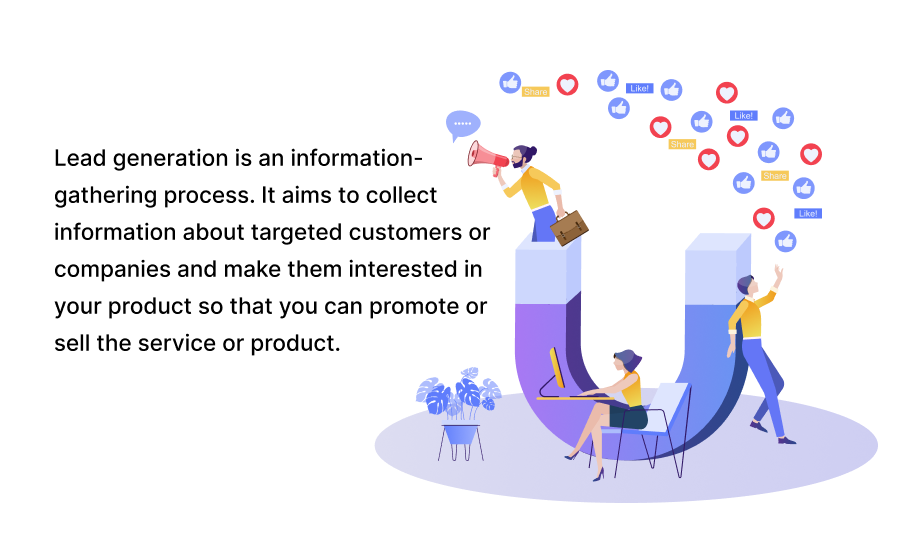
Lead generation is an information-gathering process. It aims to collect information about targeted customers or companies and make them interested in your product so that you can promote or sell the service or product. There are two types of lead generation.
- B2B (Business to Business): B2B leads are the potential customers of companies that you have in your database. That includes contact information, such as email and phone, of the people who make the purchasing decisions within those organizations.
- B2C (Business to consumer): B2C lead generation is a strategic process that companies implement to attract and convert individuals interested in their products or services into potential customers.
What is a Lead Generation Tool?
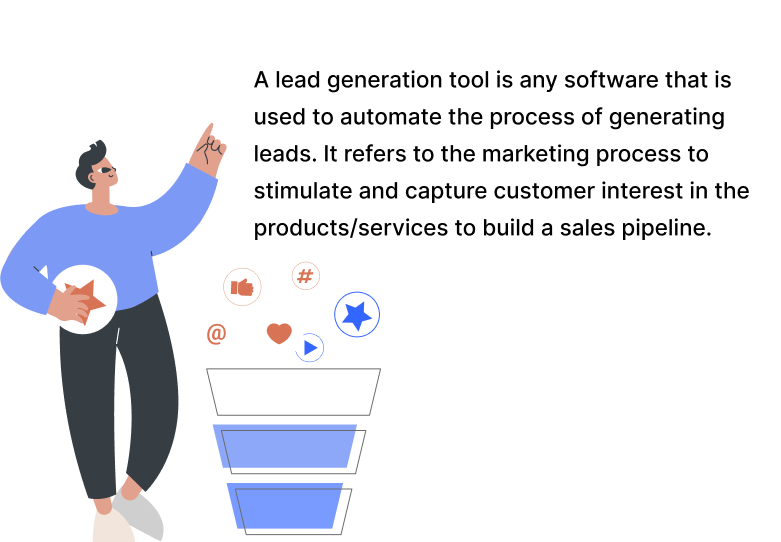
A lead generation tool is any software that is used to automate the process of generating leads. It refers to the marketing process to stimulate and capture customer interest in the products/services to build a sales pipeline.
Popularly known as lead generators, these tools help scale the process of acquiring inbound and outbound leads. Digital channels are commonly used to capture leads, and new online lead-generation methods have changed the process significantly. With so much information available online, buyers are more informed, and new tools now help screen potential customers before they reach the sales team.
Top 7 Key Features to Look Out For in Lead Generation Tools
While looking for a lead generation tool, you must focus on some key features. So, these key features are:
Lead Capture and Prospecting
A good tool should make it easy to collect leads from places like your website, landing pages, social media, and LinkedIn. It should also enrich that data by adding company details and checking if the contact information is correct. This saves time and keeps your lead list accurate and useful.
Lead Scoring and Qualification
Not every lead deserves the same attention. A solid tool ranks leads based on their actions, profile, and level of interest. It tracks things like email opens or website visits and helps your team focus on people who are more serious.
CRM Integration
Your lead generation tool should connect easily with systems like Salesforce or HubSpot. This keeps everything in one place and makes sure your sales team gets updates right away. It also cuts down on manual work and mistakes.
Automated Follow-ups and Engagement
Following up on time really matters. The tool should support email sequences, reminders, and chat so you can keep the conversation going. This way, you stay connected with prospects without doing everything manually.
Multichannel Outreach
Different people prefer different channels. A reliable tool supports outreach through email, chat, forms, and messaging apps. This increases your chances of getting replies and keeps communication smooth.
Analytics and Performance Tracking
You need clear data to see what is working. Look for tools that show metrics like conversion rate, cost per lead, and response rate. This helps you improve your campaigns over time.
Usability and Security
The tool should be simple to use so your team can start quickly. It should also keep your data secure and follow privacy rules. As your business grows, the tool should handle more leads and bigger campaigns without any issues.
Learn More: Practical Lead Generation Ideas and Best Practices
How I Evaluated Lead Generation Tools
To build this list, I spent time testing and reviewing different lead generation tools from a practical business point of view. I focused on how each tool performs in real sales and marketing workflows, from capturing leads to nurturing and conversion.
So, let’s see how I evaluated these tools:
User Experience
Tools with a clean layout and simple navigation made the process smoother. A platform should feel comfortable to work with so teams can start using it without long explanations or extra steps.
Data Quality and Accuracy
Accurate data is essential for any lead generation effort. Each tool was checked to see how reliably it provides correct email addresses, phone numbers, and company details. Clean data helps reduce wasted outreach and improves the chances of getting genuine responses.
Integration with Existing Systems
The review included testing how well each tool connects with CRMs and marketing platforms such as Salesforce. Smooth integration helps information flow naturally between systems and reduces repetitive manual updates.
Lead Capture and Prospecting Features
Attention was given to how these tools gather leads from websites, forms, and social channels. Filters for job role, industry, and company size helped determine how easily teams can focus on the right prospects.
Automation and Follow-ups
Automation was reviewed to see how each tool manages email sequences, reminders, and ongoing communication. Consistent follow-ups help keep conversations moving even when teams are busy with other tasks.
Customization
Businesses have different needs, so the ability to adjust workflows, messages, and targeting was examined. Tools that allow flexible changes fit more naturally into daily routines.
Pricing and Overall Value
Pricing was reviewed by looking at overall value instead of just monthly fees. Cost per lead, usage limits, and long-term benefits were considered.
Learn More: Social Media Lead Generation Strategies to Implement
Top 10 Lead Generation Tools & Software for B2B & B2C in 2026
Here is the list of the 10 best lead generation tools & software in 2026:
| Tool | Best For | Pricing | Key Features |
|---|---|---|---|
| REVE Chat | B2B and B2C lead generation and customer support | Free plan available; Paid plans from $14.99/month | AI Agent, Live Chat, Omnichannel Inbox, Voice & Video Chat, Co-Browsing, AI Chatbot, Voice Bot, Analytics |
| HubSpot | Managing leads and follow-ups | Free trial; Paid plans from $50/month | CRM, Lead Forms, Landing Pages, Email Automation, Lead Scoring |
| Salesforce | Managing large sales pipelines | From $25/user/month | CRM, Lead Tracking, Marketing Automation, Lead Scoring, AI Tools |
| Marketo Engage | Lead nurturing and email marketing | Custom pricing | Lead Forms, Email Automation, CRM Integration, Lead Scoring |
| Pardot | B2B lead management | From $1,250/month | Lead Capture, Email Marketing, CRM Integration, Lead Scoring |
| Leadfeeder | Finding companies that visit your website | Free trial; Paid plans from $63/month | Website Visitor Tracking, Company Identification, CRM Integration |
| Zoho CRM | Small and growing businesses | Free for up to 3 users; Paid plans from $12/user/month | CRM, Lead Management, Email Automation, Lead Scoring |
| OptinMonster | Capturing leads with popups and forms | From $9/month | Popups, Lead Forms, A/B Testing, Campaign Targeting |
| LinkedIn Sales Navigator | Finding B2B prospects | From $79.99/month | Advanced Search, Lead Recommendations, CRM Integration, Message Tracking |
| Unbounce | Building landing pages for lead generation | From $90/month | Landing Page Builder, Lead Forms, A/B Testing, CRM Integration |
1. REVE Chat
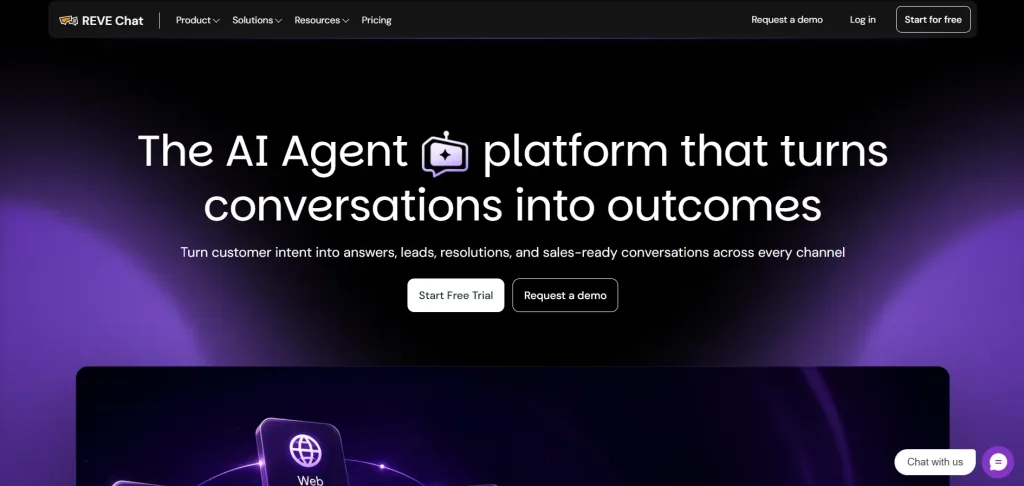
Best for: Businesses needing fast customer support and better engagement in B2B and B2C.
REVE Chat is a customer communication platform that helps you connect with visitors the moment they show interest. It brings live chat, voice, video, and messaging into one place. This makes it easier to reply quickly and guide customers clearly. It also helps turn more conversations into leads without missing chances.
It works well for lead generation because you can reach visitors instantly. Tools like live chat, voice calls, voice bots, AI agents, and video calls help you support customers at the right moment. This helps them decide faster and increases conversions.
You can also help customers during their journey. Share products, guide them through forms, and assist with payments directly in chat. This reduces confusion and keeps customers from leaving midway.
Over time, you can see what customers ask, where they drop off, and what helps them buy. These insights help you improve your process step by step.
Key Features
- Wize AI Agent: Automate customer conversations from start to finish. Answer questions, qualify leads, recommend products, and complete routine tasks without human involvement.
- Live Chat: Connect with website visitors instantly. Answer questions, share information, and guide them toward the right decision in real time.
- Omnichannel Inbox: Manage conversations from your website, WhatsApp, Facebook Messenger, Instagram, Telegram, email, and other channels in one unified inbox.
- Voice and Video Chat: Speak with customers face to face when they need detailed guidance or personalized support.
- Co-Browsing: View a customer’s screen (with permission) and guide them through forms, applications, or checkout without confusion.
- AI Chatbot: Answer common questions, qualify visitors, and route conversations to the right team automatically.
- Voice Bot: Handle incoming calls, answer routine questions, and collect customer information around the clock.
- In-Chat Product Sharing and Payments: Share products, offers, and payment links directly in the chat so customers can complete their purchase without switching platforms.
- Analytics and Reporting: Measure conversation quality, team performance, customer behavior, and conversion trends with detailed reports and insights.
Pros
- Helps you connect with customers at the right moment
- Reduces drop-offs during checkout or form completion
- Works across social channels, ecommerce stores, and websites
- Balances automation with personal support
- Keeps customer details and chat history organized
Cons
- Some features require setup before full use
- Small teams may need a little time to adjust to all available tools
Pricing
- A free plan is available with limited features
- Paid plan starts as $14.99
- A 14-day free trial is available with advanced features.
2. HubSpot
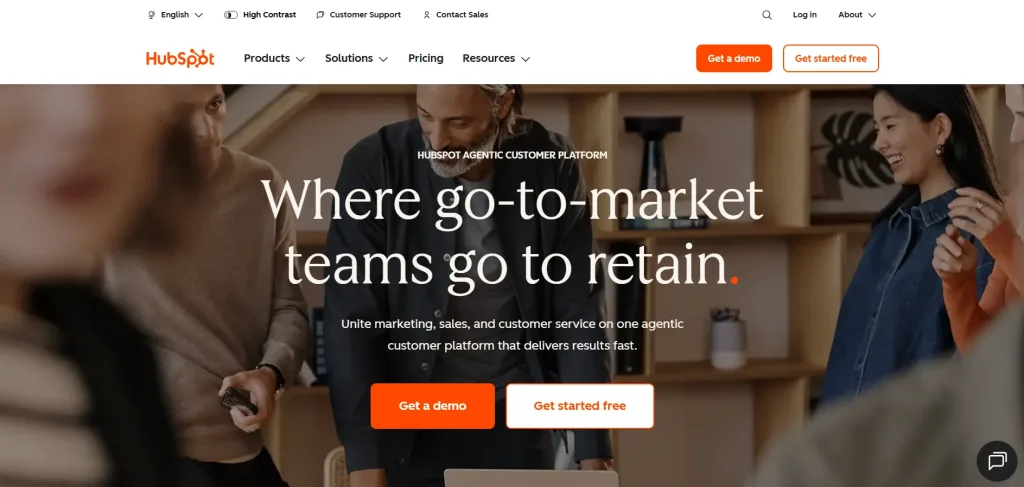
Best for: Organizing leads and automating follow-ups in one place.
HubSpot works as a lead generation and customer management tool that helps businesses capture, track, and manage leads in one place. It supports marketing, sales, and customer communication through a single system.
For teams that want to keep their leads organized and follow up at the right time, HubSpot helps manage the full process from first contact to conversion.
Key Features
- Lead capture forms and landing pages that collect visitor details from websites and campaigns
- CRM system integration to store and track all lead information in one place
- Email marketing and automation for sending follow ups and nurturing leads over time
- Lead scoring system that helps identify which contacts are more ready to convert
- AI Agent support that helps sort data, manage tasks, and assist in lead handling
- Voice bot support for handling customer calls and collecting basic lead information
Pros
- Keeps all lead data organized in one system
- Helps track customer journey from start to finish
- Reduces manual follow up work
- Supports both small and growing teams
- Connects well with many marketing tools
Cons
- Can feel complex for beginners at the start
- Some advanced features require paid plans
- Setup and customization may take time for new users
Pricing
- A free trial is available
- Paid plans from $50/month
3. Salesforce
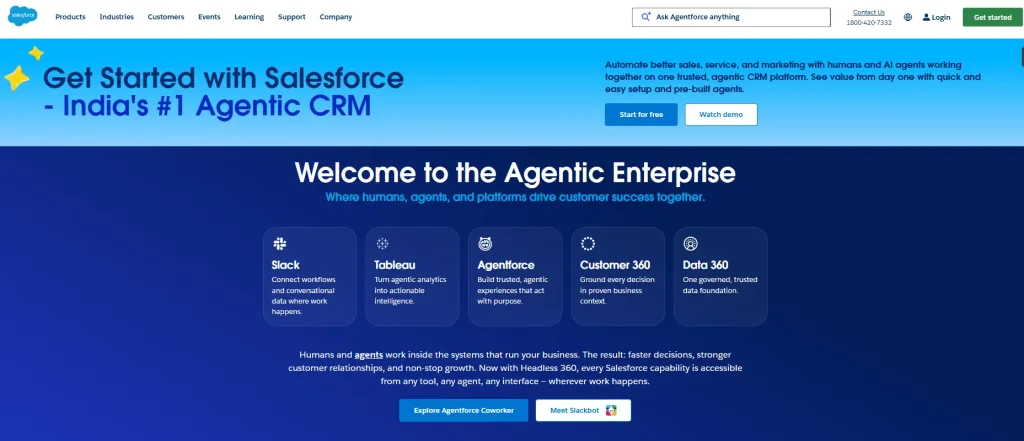
Best for: Managing large lead pipelines with detailed tracking.
Salesforce is widely used for managing leads, tracking customer data, and handling sales activity in one system. It helps teams keep all information organized and follow up with prospects at different stages of the buying process.
Helps manage large volumes of leads in one place with tracking, automation, and clear customer journey visibility. Useful for teams handling complex sales processes and long follow-up cycles.
Key Features
- Lead capture and tracking from multiple sources
- CRM system to manage all customer data
- Marketing automation for follow-up emails and campaigns
- Lead scoring to identify priority prospects
- AI Agent for sorting leads and supporting sales tasks
- Voice bot for handling calls and collecting lead details
Pros
- Handles large-scale lead management
- Keeps sales and marketing data connected
- Helps track the customer journey clearly
- Supports automation for daily tasks
- Works well for growing teams
Cons
- Setup can feel complex
- Needs training for new users
- Higher pricing compared to simple tools
Pricing
- From $25/user/month
4. Marketo Engage
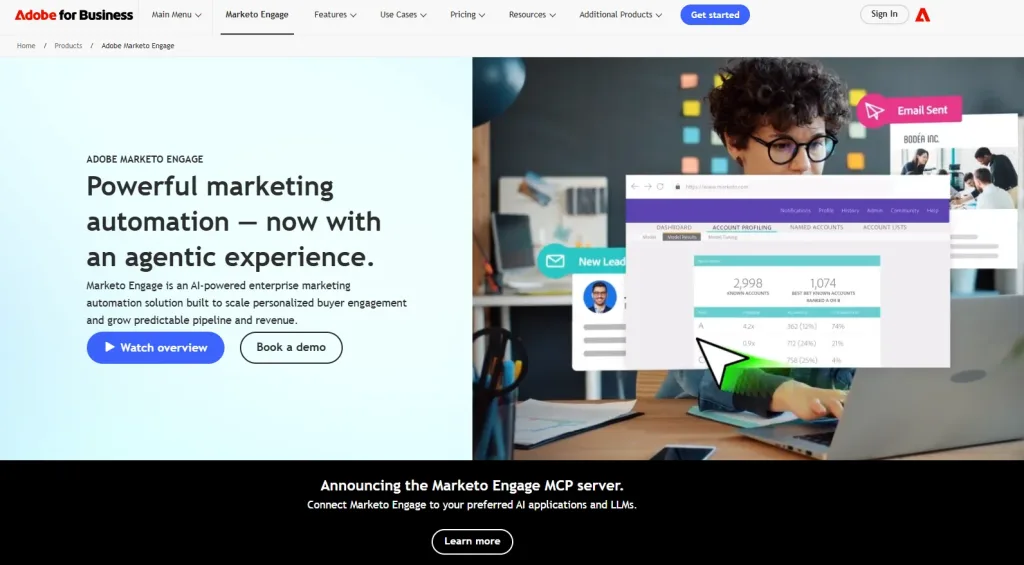
Best for: Running automated marketing campaigns and nurturing leads.
Marketo Engage supports marketing teams in running campaigns, sending automated emails, and managing lead journeys. It helps move prospects through different stages until they are ready for sales contact.
Supports structured lead nurturing through campaigns, email flows, and scoring. Useful for guiding leads step by step until they are ready for a sales contact.
Key Features
- Lead capture through forms and landing pages
- Email automation for nurturing leads
- CRM integration for better tracking
- Lead scoring based on user activity
- AI Agent for campaign support and lead sorting
- Voice bot for call handling and lead collection
Pros
- Useful for long sales cycles
- Strong marketing automation tools
- Helps manage lead journeys
- Good reporting and tracking
- Supports personalization
Cons
- Can take time to learn
- Requires setup effort
- Pricing may not suit small teams
Pricing
- Contact the vendor for pricing
5. Pardot
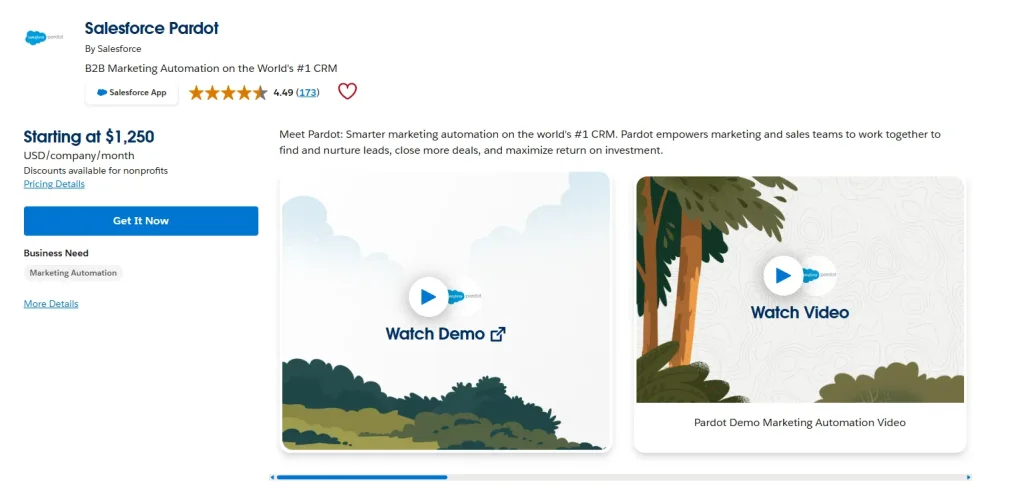
Best for: B2B lead nurturing with scoring and tracking.
Pardot is used by B2B teams to capture leads, track engagement, and connect marketing with sales efforts. It helps prioritize leads based on interest and activity.
Works well for B2B teams by connecting marketing and sales data. Helps capture, track, and score leads so teams focus on the right prospects.
Key Features
- Lead capture forms and landing pages
- Email marketing automation
- CRM integration for tracking leads
- Lead scoring system
- AI Agent for lead qualification
- Voice bot for handling inquiries and calls
Pros
- Good for B2B marketing teams
- Clear lead tracking system
- Helps improve follow ups
- Works with Salesforce ecosystem
- Supports marketing automation
Cons
- Not very beginner friendly
- Setup can take time
- Limited flexibility for small businesses
Pricing
- From $1,250/month
6. Leadfeeder
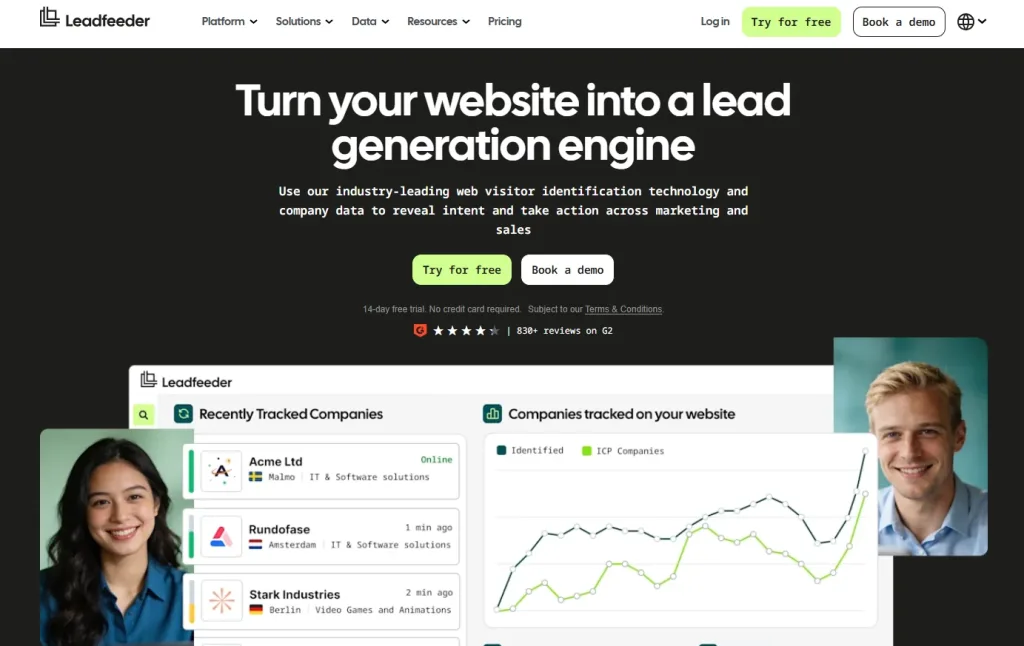
Best for: Identifying companies visiting your website.
Leadfeeder identifies companies visiting your website and turns that traffic into potential leads. It gives insight into which businesses are showing interest.
Turns website visitors into leads by showing which companies are interested. Useful for finding hidden prospects already engaging with your website.
Key Features
- Website visitor tracking
- Lead identification from IP data
- CRM integration
- Lead scoring based on activity
- AI Agent for sorting visitor data
- Voice bot for capturing inbound interest
Pros
- Helps find hidden website leads
- Easy to understand visitor data
- Improves sales targeting
- Works with CRM tools
- Useful for B2B outreach
Cons
- Limited to website traffic data
- Not ideal for small traffic sites
- Requires integration setup
Pricing
- Free trial is available
- Paid plans from $63/month
7. Zoho CRM
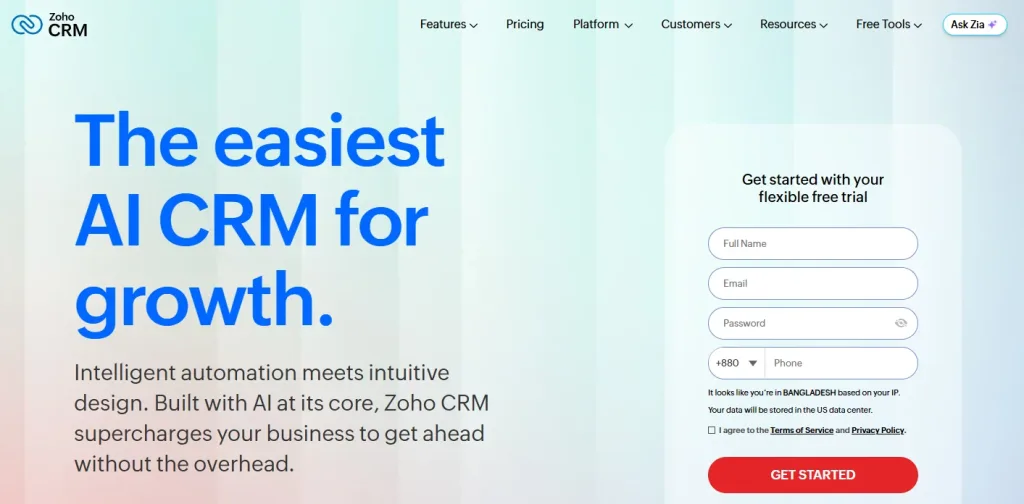
Best for: Small and mid teams needing simple lead management.
Zoho CRM helps manage leads, automate follow ups, and track customer interactions in one platform. It is commonly used by small and mid sized teams.
Combines lead tracking, follow ups, and automation in one system. Helps small and mid sized teams manage leads without complex setup.
Key Features
- Lead management system
- Email automation and follow ups
- CRM integration tools
- Lead scoring and tracking
- AI Agent for sales support
- Voice bot for call handling
Pros
- Affordable compared to many tools
- Easy to manage daily sales work
- Good for small and medium businesses
- Helps organize customer data
- Supports automation
Cons
- Interface can feel crowded
- Some features need learning time
- Advanced tools require upgrades
Pricing
- Free for up to 3 users
- Paid plans from $12/user/month
8. OptinMonster
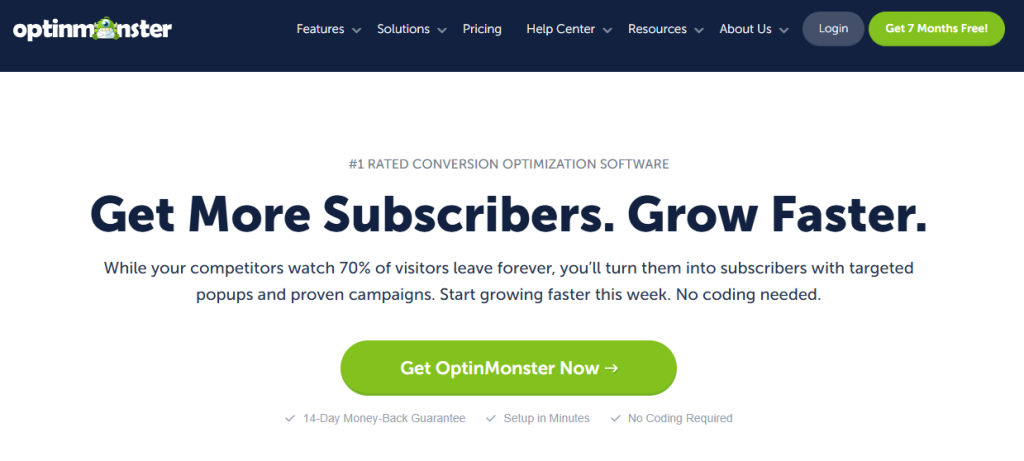
Best for: Capturing leads from website popups and forms.
OptinMonster focuses on capturing leads from website visitors using popups, forms, and targeted campaigns. It helps convert traffic into contacts.
Helps capture leads directly from website visitors using forms and popups. Useful for increasing conversions from traffic already on your site.
Key Features
- Lead capture popups and forms
- Campaign targeting tools
- A/B testing for optimization
- CRM integration
- AI Agent for lead sorting
- Voice bot for basic engagement
Pros
- Easy lead capture from websites
- Improves conversion rates
- Simple setup
- Good targeting options
- Works well for marketing campaigns
Cons
- Focused mainly on website leads
- Limited CRM functions
- Needs traffic to perform well
Pricing
- From $9/month
9. LinkedIn Sales Navigator
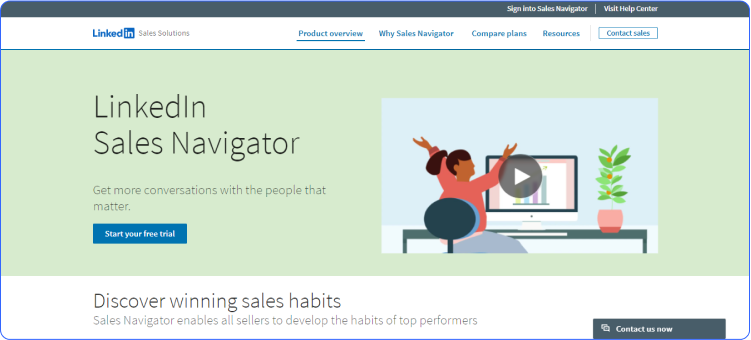
Best for: Finding and connecting with B2B decision-makers.
LinkedIn Sales Navigator is used to find and connect with professionals and decision makers. It supports targeted outreach for B2B lead generation.
Helps find and connect with decision makers on LinkedIn. Useful for targeted B2B outreach and building direct professional connections.
Key Features
- Advanced lead search filters
- Lead recommendations
- CRM integration
- Message tracking
- AI Agent for lead suggestions
- Voice bot for outreach support
Pros
- Strong B2B lead source
- Helps find decision makers
- Easy to connect with prospects
- Good for targeted outreach
- Updated professional data
Cons
- Limited outside LinkedIn
- Subscription cost is high
- Requires active usage
Pricing
- From $79.99/month
10. Unbounce
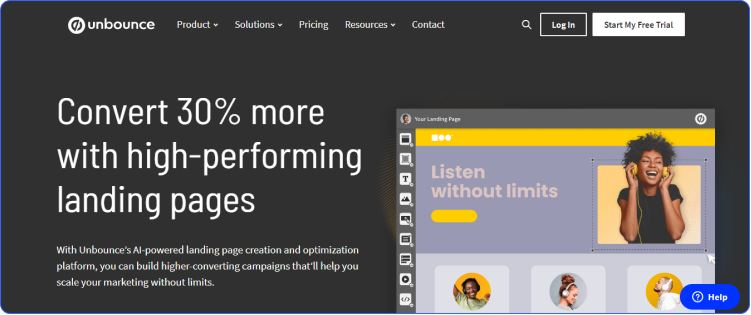
Best for: Creating landing pages that convert campaign traffic.
Unbounce helps create landing pages designed to capture leads from marketing campaigns. It is often used to improve conversion from ads and promotions.
Creates landing pages that turn visitors into leads. Useful for marketing campaigns that need quick setup and higher conversion rates.
Key Features
- Landing page builder
- A/B testing tools
- Lead capture forms
- CRM integration
- AI Agent for page optimization
- Voice bot for visitor interaction
Pros
- Improves conversion rates
- Easy landing page creation
- Good testing tools
- Helps marketing campaigns
- No coding needed
Cons
- Focused only on landing pages
- Needs traffic for results
- Pricing may be high for small users
Pricing
- From $90/month
How to Choose the Best Lead Generation Tool for You
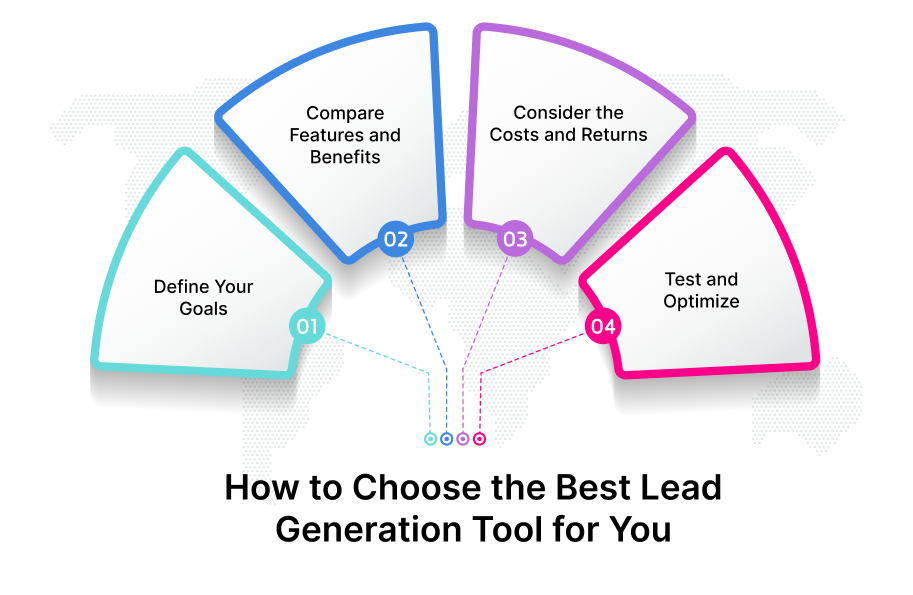
Choosing the right lead generation tool can feel like trying to pick the perfect outfit from a crowded closet—there are so many options, and it’s easy to get overwhelmed. But don’t worry, We are here to help you sort through the clutter and find the tool that fits you just right.
Define Your Goals
First things first: what are you trying to achieve? Think about what you need from a lead generation tool. Are you focused on capturing emails, gathering detailed customer data, or driving traffic to your website? Knowing your specific goals will narrow down your choices and keep you focused on what matters most to you.
Compare Features and Benefits
Next, it’s time to get into the nitty-gritty. Every lead generation tool has its own set of features, but which ones align with your goals? Look at the tools that offer what you need—whether it’s easy integration with your existing CRM, customizable forms, or advanced analytics. Remember, a tool’s features are only valuable if they benefit your business.
Consider the Costs and Returns
Let’s talk money. It’s important to weigh the costs of these tools against the potential returns. A high-priced tool might seem tempting with all its bells and whistles, but will it really give you the ROI you need? On the flip side, a cheaper option might save you some cash upfront but could cost you lost opportunities if it lacks the right capabilities. Always think long-term when considering the cost.
Test and Optimize
Finally, don’t just choose a tool and hope for the best—test it out! Most tools offer a trial period, so take advantage of that. See how it fits into your workflow, and if it’s as user-friendly as you hoped. Gather data on how well it’s performing and be ready to tweak and optimize as you go. Your first choice might not be perfect, and that’s okay. The key is to keep refining until you find the best fit for your needs.
By following these steps, you’ll be well on your way to choosing a lead-generation tool that not only works but works for you. So go ahead, dive in, and start turning those leads into loyal customers.
Read Also: Important Lead Generation Metrics & KPIs to Track
Benefits of Using Lead Generation Systems
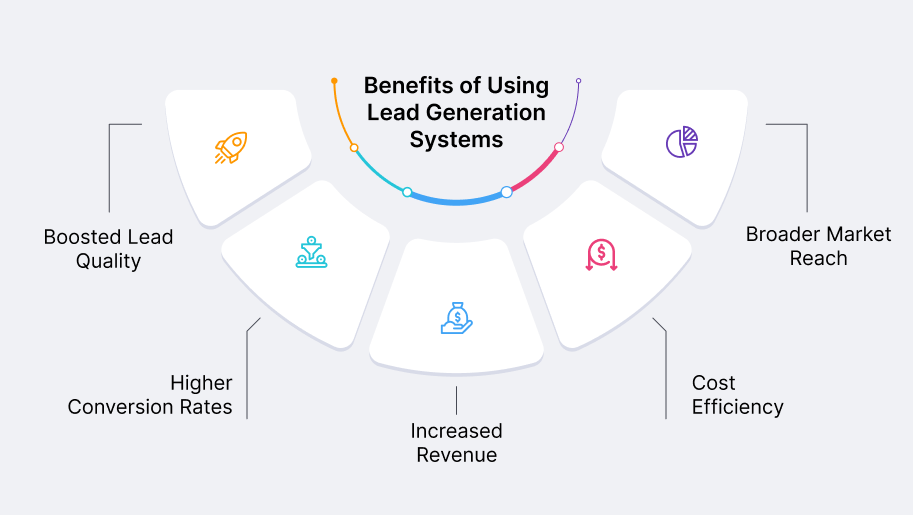
If you’re running a business and haven’t yet embraced lead generation systems, you’re missing out on a powerful tool that can take your growth to the next level. Let me walk you through why these systems are such game-changers and how they can help you attract more leads, close more deals, and ultimately, grow your business.
Boosted Lead Quality
Not all leads are created equal, and lead generation systems help you focus on the ones that matter. According to WebFX, with automated tools, you can target your ideal customer profile, resulting in a 451% increase in qualified leads. Imagine spending less time chasing dead ends and more time nurturing relationships with potential customers who are truly interested in what you offer.
Higher Conversion Rates
Quality leads naturally lead to better conversions. Companies that leverage lead generation software report that 77% of them see increased conversions (WebFX). By automating the lead generation process, you’re not just getting more leads; you’re getting more sales. This means more revenue flowing into your business with less manual effort.
Increased Revenue
Who doesn’t want to see their revenue grow? Lead generation systems don’t just improve lead quality and conversion rates—they also directly impact your bottom line. 99firms data shows that, on average, businesses that implement automated lead management see a 10% increase in revenue within just six to nine months. That’s a significant return on investment in a relatively short time.
Cost Efficiency
Let’s talk about cost. Traditional marketing can be expensive and often doesn’t yield the results you need. Lead generation systems, particularly those that leverage content marketing, can generate three times as many leads as outbound marketing at 62% less cost (99 firms). So, you’re getting more bang for your buck, which is crucial for staying competitive in today’s market.
Broader Market Reach
Finally, as more businesses recognize the value of these tools, the global lead generation market is projected to hit $295.1 billion by 2027. This growth reflects how effective these systems are at helping businesses like yours reach new audiences and expand into new markets. By adopting lead generation software, you’re not just keeping up with the competition—you’re positioning yourself to lead.
Lead generation systems help businesses from boosting lead quality and conversion rates to increasing revenue and cost efficiency, the benefits are clear. If you haven’t already, now’s the time to consider how these tools can fit into your strategy and help you achieve your business goals.
Read Also: Lead Management Process – Importance, Stages & Best Practices
AI For Lead Generation in the Future
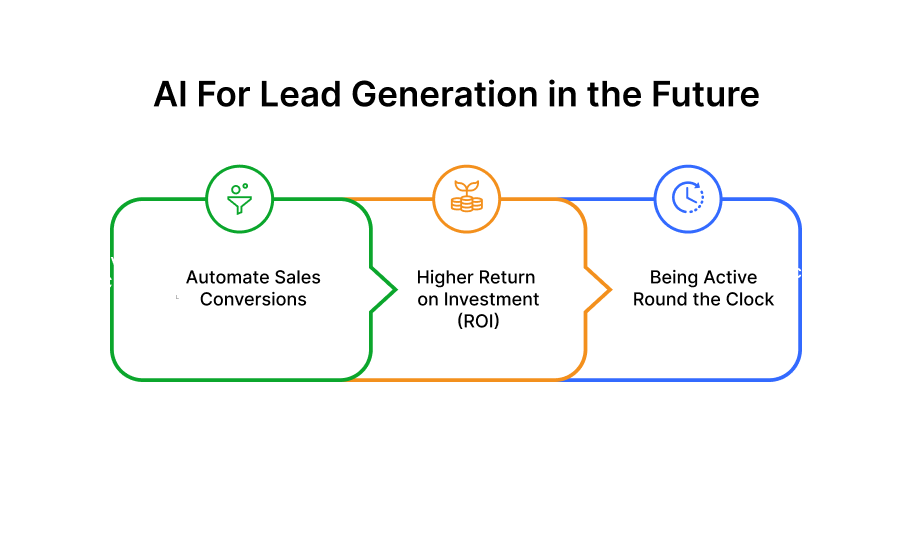
AI is already transforming how businesses approach lead generation, but the future promises even more exciting developments. REVE Chat‘s chatbots for lead generation are one of the best tools that help marketers connect and engage with their prospects 24×7 even when the sales team is busy or not available.
Lead qualification bots can boost operational efficiency and bring cost savings to businesses while offering higher satisfaction to customers. Deploying chatbots acts as an AI lead generation tool to ensure many advantages for your business.
Automate sales conversions:
You can automate your sales funnel with bots to prequalify leads by asking specific questions and based on their response directing them to the right team for further nurturing.
Higher return on investment (ROI):
Lead qualification chatbots to bring in business opportunities by creating effective customer experiences. They can prove a great investment to improve your overall service.
Being active round the clock:
Chatbots are always on to engage customers with instant answers to sales queries, so you can qualify leads by asking questions as per your business needs knowing the intent of the visitors, and using them for lead nurturing.
End Note
Having the right lead capture software for your B2B or B2C business strengthens your marketing strategy and improves capturing more qualified leads. It is important for initial prospecting, nurturing, and conversions.
Check out the above-mentioned lead generation solutions to streamline your sales and marketing processes, optimize your online lead generation efforts, and close more deals successfully. Start transforming your lead generation strategy today. Book a demo now.
Frequently Asked Questions
B2B (Business-to-Business) lead generation focuses on attracting and nurturing leads for businesses that sell products or services to other businesses. It often involves targeted marketing efforts such as industry-specific content, LinkedIn outreach, and account-based marketing strategies.
Lead generation process is the method to identify and attract potential customers. Let’s take a look at the 4 steps of the lead-generation process:
1. Attract: Use various strategies to draw potential leads to your business, such as content marketing, social media, SEO, and advertising.
2. Capture: Collect contact information from prospects through forms, landing pages, and calls to action.
3. Nurture: Build relationships with leads through personalized communication and content, guiding them through the sales funnel.
4. Convert: Turn nurtured leads into customers through targeted offers, follow-ups, and effective sales strategies.
You can follow the below options to do online lead generation.
1. Optimize Your Website
2. Leverage Social Media
3. Create Valuable Content
4. Use Paid Advertising
5. Implement Email Marketing
Web lead generation involves using online channels to attract and capture leads. This includes optimizing your website for lead capture, using online forms, engaging in SEO, and leveraging digital marketing strategies to drive traffic and convert visitors into leads.
Lead generation software serves both marketing and sales functions. It helps marketing teams attract and capture leads, while sales teams use it to manage and nurture these leads through the sales funnel. The software provides tools for automation, tracking, and analytics that support both departments.
Paid lead generation software generally offers more advanced features, greater customization, and better support compared to free options. However, free tools can be a good starting point for smaller businesses or those with limited budgets. The choice depends on your specific needs and resources.
The features of lead generation software are shared below-
1. Lead Capture Forms
2. CRM Integration
3. Email Marketing
4. Analytics and Reporting
5. Lead Scoring
6. Automation
7. A/B Testing