Table of Content
Communication between customers and businesses is no longer monolithic. Businesses may communicate with customers via SMS, WhatsApp, email, social media, or in person.
A multichannel communication system has multiple communication channels, but is not always collaborative. Because of that, customer information and the conversation context may slip through the gaps, and the system may not guarantee a smooth customer experience.
Omnichannel marketing solves this problem by connecting customer data, customer interactions, and messaging across channels. It allows each interaction to reflect what the particular customer has already done, viewed, or asked elsewhere in the chain, keeping the context utilized in the journey.
In this article, we will explain what omnichannel marketing means, how it benefits your business, how it differs from multichannel marketing, and how REVE Chat can support a more connected marketing experience.
What Is Omnichannel Marketing?
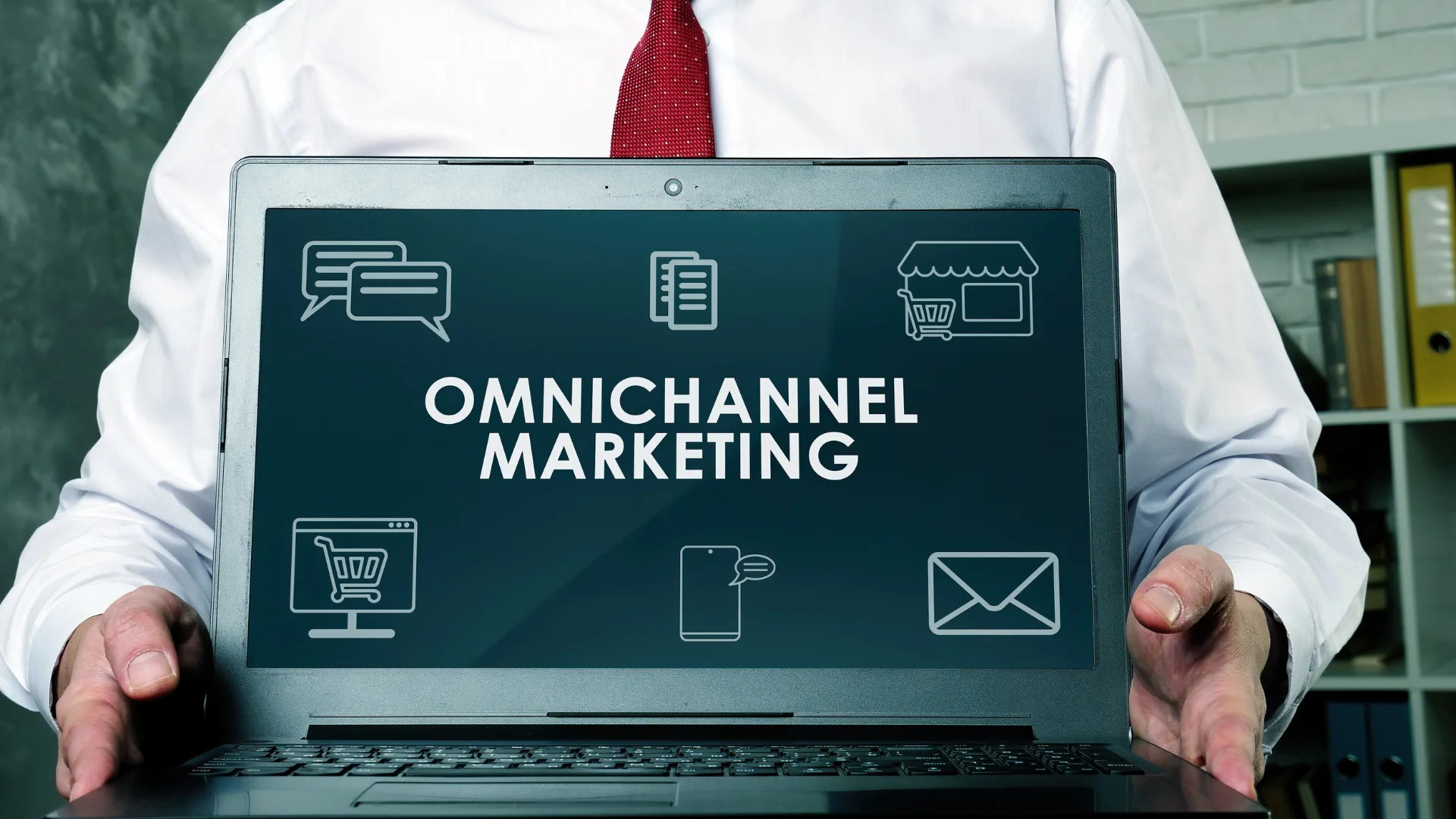
As a customer-focused marketing strategy, omnichannel marketing coordinates messaging, customer data, and interactions across online and offline channels to create one continuous experience.
The integrated approach ensures that every touchpoint feels like part of a single, unified brand journey, even when a customer moves between a website, social media, email, messaging apps, mobile devices, or a physical store.
A true omnichannel approach depends on three important elements.
- Strategically linked communication channels to bridge communication gaps and eliminate fragmented customer interactions
- Contextually available interaction details whenever a customer switches the medium of interaction
- Responding to the customer’s actions coordinatedly instead of restarting the journey
How Omnichannel Marketing Works Across the Customer Journey
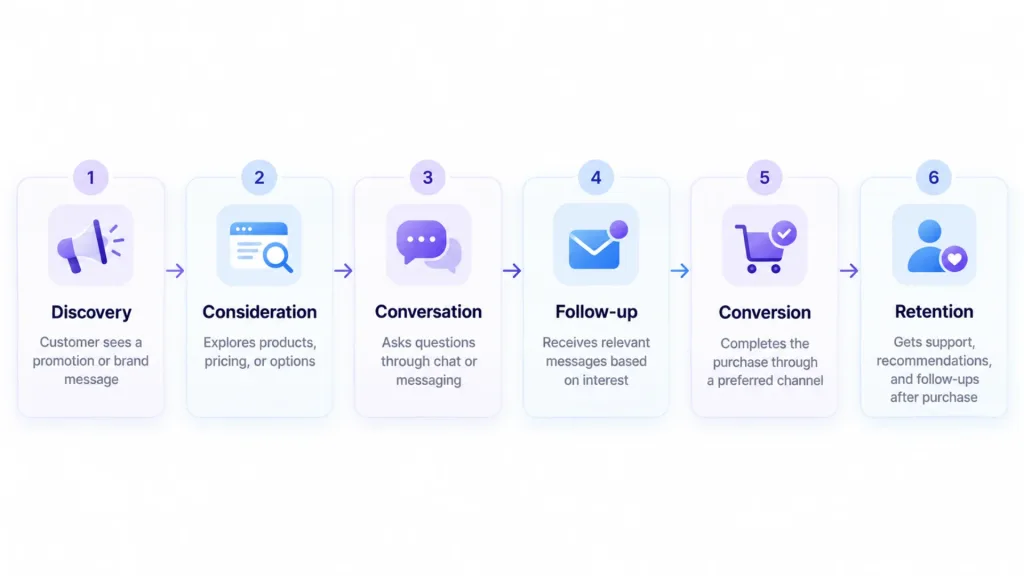
Omnichannel marketing connects each stage of the customer journey so that every interaction builds on the previous one. Instead of treating every website visit, social media activity, conversation, purchase, or follow-up message as a separate event, businesses use them together as an entire chronological single flow to guide customers to the next relevant step.
A typical journey may look like this:
Discovery: A customer sees a social media product promotion.
Consideration: They visit the website to compare the product with other ones and explore pricing.
Conversation: They ask a question through live chat, WhatsApp, or another preferred messaging channel.
Follow-up: The business sends a relevant message based on that interaction and the customer’s interest and browsing activity.
Conversion: The customer completes the purchase through their preferred channel.
Retention: Future support, product recommendations, and promotional messages for this particular customer reflect their purchase and interaction history.
Omnichannel vs Multichannel Marketing: The Essential Difference
Multichannel and omnichannel marketing both use multiple channels to reach and engage customers. The difference is in how those channels work together.
Multichannel marketing focuses on being present across several channels, such as email, social media, websites, apps, and physical stores. Each channel may have its own campaigns, goals, data, and customer interactions.
Omnichannel marketing connects those channels so the customer experiences the business as one continuous journey. Customer information and previous interactions can move across channels, allowing the business to provide more relevant and consistent experiences.
| Multichannel Marketing | Omnichannel Marketing |
|---|---|
| Uses multiple channels to reach customers | Connects multiple channels around the customer journey |
| Channels may have separate campaigns and processes | Channels are coordinated to work together |
| Customer data may remain separate between channels | Customer data and interaction history can be shared across channels |
| Performance is often evaluated by individual channel | Performance can be evaluated across the complete customer journey |
| Customers may need to repeat actions or information when changing channels | Customers can continue their journey with less repetition |
| Personalization is often based on activity within one channel | Personalization can use activity and context from multiple channels |
How Does Omnichannel Marketing Benefit Your Business?
Omnichannel marketing connects channels, customer information, and messages around one continuous journey, benefiting your business. Implementation of omnichannel marketing transforms how a business interacts with its audience.
1. Creates a Smoother Customer Experience
Omnichannel marketing eliminates the common friction points that frustrate modern customers. Common frictions include the need to repeat information to different representatives in different conversation channels, looking for the same product again and again, or resetting the customer journey after a change in device or channel.
Omnichannel marketing preserves context. So, customers no longer receive contradictory answers from different departments or lose their progress when switching from a mobile app to a desktop website.
The significant business impacts of these smoother customer journeys include lower cart abandonment rates and higher overall customer satisfaction. Customers develop a stronger brand preference if interactions are effortless, viewing the company as reliable and attentive.
2. Makes Marketing More Relevant and Personalized
By combining information from browsing activities, previous purchases, and live chat conversations, omnichannel marketing gives businesses a broader understanding of customer interests and behavior. This data also allows a transition from basic personalization to a proactive follow-up message.
For example, instead of receiving a simple product promotion like, “Hi, Sarah, would you like to check this product?”, the customer receives a customized notification based on their previous purchase or activity, such as “The item you viewed is back in stock”.
This ensures that relevance is derived from the customer’s current journey and real-time behavior rather than static demographic segments, making every outreach feel purposeful.
3. Improves Conversion Opportunities
Connected and omnichannel journeys allow businesses to respond to customer intent while it is still active.
For example, the system can follow up immediately after an abandoned cart. It can offer live assistance on a high-intent page such as the pricing page, and send a reminder on the customer’s preferred channel, or help a prospect to process through a demo or consultation request.
Omnichannel marketing improves conversion opportunities by making sure that the next interaction is more timely, relevant, and convenient. When customers can continue their journey without unnecessary steps, they are more likely to complete a purchase, submit an inquiry, book a consultation, or take another desired action.
4. Builds Stronger Customer Loyalty and Retention
Consistency across the journey builds confidence for long-term customer loyalty. Customers feel recognized and valued when service continues seamlessly after a sale and when brand messages accurately reflect their existing relationship with the company.
When a brand provides a consistent, connected experience, it significantly improves customer retention, as users are less likely to switch to a competitor after experiencing such a high level of convenience and recognition.
5. Gives Businesses a More Complete View of Customers
Unified interaction data provides a bird’s-eye view of the entire customer lifecycle. This visibility helps businesses identify which channels most heavily influence decisions, where customers typically leave the journey, and which specific questions are delaying purchases.
An omnichannel view helps businesses understand which channels influence customer decisions, where people leave the journey, which questions delay purchases, and what content or offers encourage action. It can also reveal customers who are becoming inactive.
6. Reduces Repetitive and Uncoordinated Marketing
Disconnected teams often hamper the customer experience by sending redundant messages and reminders. An omnichannel approach prevents these errors as it allows businesses to coordinate message timing, frequency, and suppression rules.
Messages can stop when a customer completes an action, and teams can avoid sending contradictory communications.
7. Improves Team Coordination and Operational Efficiency
Internally, omnichannel strategies ensure that marketing, sales, and service teams work from a shared context. It leads to faster follow-ups and much smoother lead handovers between departments.
Marketing can see which campaigns generate meaningful conversations. Sales representatives can understand what a prospect explored before making contact. Support teams can review relevant purchase and conversation history before responding.
This reduces manual information sharing, duplicate work, and unnecessary handovers. It also enables faster follow-ups, better lead management, and more consistent decisions across departments.
KEY TAKEAWAY
Omnichannel Marketing Benefits
A successful omnichannel strategy starts by understanding the customer journey, connecting relevant touchpoints, and delivering the right message at the right moment.
Examples of Omnichannel Marketing in Practice
Practical application demonstrates how connected data and integrated platforms transform generic outreach into unified, personalized journeys that drive results.
1. B2B Lead Nurturing
A prospect attends a brand webinar and later downloads a specialized guide from the website’s resource center. Their engagement history is logged in a centralized CRM, noting they have visited the pricing page multiple times.
When the prospect initiates a conversation via live chat, the sales representative sees their entire activity timeline instantly. This context allows the representative to cross basic qualifying questions. They immediately continue the discussion based on the prospect’s specific technical interests and activation milestones.
2. Ecommerce Purchase Recovery
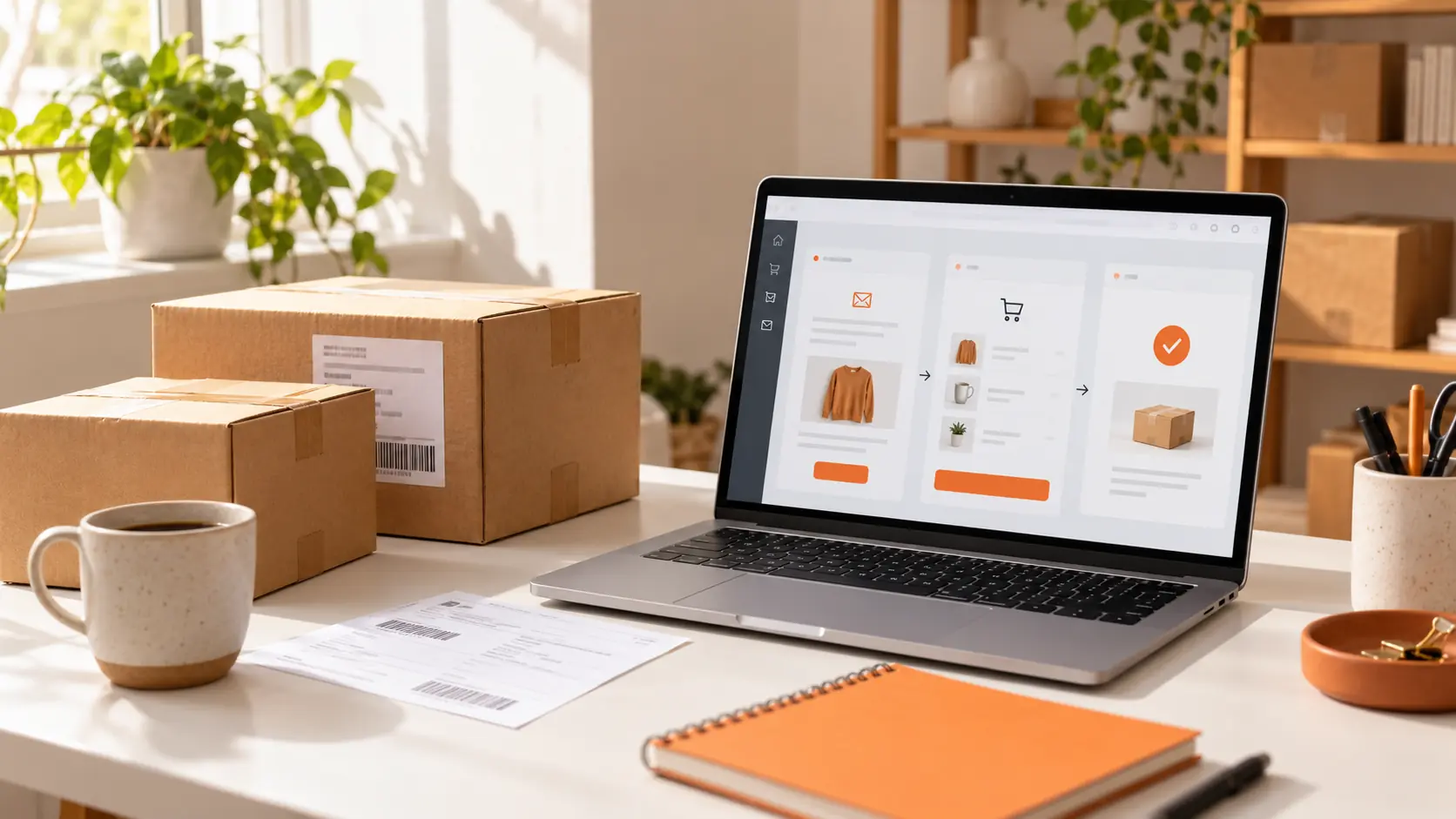
A shopper adds a product to their mobile cart but exits the site without completing the transaction. Instead of sending a generic blast, the business triggers an automated email highlighting the specific items left behind, followed by a personalized WhatsApp reminder if the cart remains inactive.
When the customer returns to the website, a live or AI agent sees their cart contents in real time and provides tailored assistance with payment or product questions. Crucially, once the order is finalized, the system automatically stops all recovery messages across every channel to avoid redundant follow-ups.
3. Customer Re-engagement
For a previously active customer who has stopped purchasing, the business uses order history to send a timely reminder just as their last purchase is likely running out. If the customer remains inactive, the system sends a personalized incentive or product update via their most-frequented channel, such as a web push notification or SMS.
These offers are tailored to their Repeat Buyer status, ensuring the message feels like a relevant appreciation of their history rather than a cold promotion.
4. Product Launch Campaign
The business announces a new product by coordinating multiple channels for maximum impact. Social media teases the news to build awareness, while web push notifications drive traffic to a dedicated landing page.
WhatsApp enables direct consultation about product features, and SMS delivers time-sensitive discount codes for early-bird signups. Each channel plays a defined role in a shared campaign calendar, ensuring a consistent brand experience without indiscriminately repeating the same message.
What You Need to Build an Effective Omnichannel Marketing Strategy
To execute a successful omnichannel strategy, you require cross-functional alignment, connected data, and coordinated technology. To move from a fragmented approach to a unified experience, focus on these six practical requirements.
1. Map the Actual Customer Journey
Identify customer behavior at every stage of the journey. Look into how customers discover the business, research products, ask questions, and finally convert or disengage. Instead of following a linear funnel, examine and identify where customers behave in what way.
2. Prioritize the Channels Customers Already Use
Avoid adding channels simply to expand the omnichannel system. Invest in those existing platforms that are the most used and preferred by customers. Prioritize channels not only by customer preference, but also by the specific journey stage, message urgency, your business objective, and team capacity.
3. Connect Customer Data and Conversation History
Centralize customer identity, activity, and preference into a unified customer profile. Make conversation histories available across all systems and teams so context follows the customer as they move through channels. Ensure they never have to repeat themselves.
4. Give Every Channel a Clear Role
Assign defined roles to each platform to avoid conflict and redundant messaging:
- Social media for discovery and engagement
- Website for detailed research and comparisons
- Live chat for real-time assistance and sales support
- WhatsApp for direct follow-ups and personalized campaigns
- Web push for timely updates and offers
- SMS for urgent, concise notifications or alerts
- Email for detailed lead nurturing and newsletters
How REVE Chat Supports Omnichannel Marketing and Engagement
REVE Chat helps businesses manage customer conversations, campaigns, AI automation, and human support across different channels. It helps teams create a more connected experience across the customer journey. Let’s look into how REVE Chat supports omnichannel marketing and engagement:
1. Bring Customer Conversations Into One Omnichannel Inbox
Teams can manage conversations from website chat, WhatsApp, Facebook Messenger, Instagram, and email from a single unified workspace. Reducing fragmented conversations, REVE Chat provides agents with full visibility into a customer’s conversation history and interaction details across all platforms.
2. Engage Customers Through Their Preferred Channels
Businesses can use live chat, messaging platforms, and Wize AI Agents to engage customers during product discovery, consideration, purchase, and post-purchase stages. This allows customers to communicate through convenient channels while maintaining a more consistent experience.
3. Run Targeted Messaging Campaigns
REVE Chat supports proactive outreach through targeted campaigns with WhatsApp, SMS, and web push notifications. It helps businesses send automated product updates, abandoned cart reminders, time-sensitive offers, and re-engagement messages to specific audience segments.
4. Connect AI and Human Conversations
Wize AI Agent manages routine queries, captures essential customer information, and identifies buyer intent. It also provides a seamless human handover for complex and sensitive issues. This transfers the conversation to an agent with the full context preserved, so the customer never has to repeat themselves
5. Improve Real-Time Buying Assistance
Live chat, co-browsing, video calls, proactive engagement, and AI assistance help businesses support customers when they encounter questions or hesitation during the buying journey.
REVE Chat lists these alongside its omnichannel inbox, campaign, analytics, AI Agent, and human handover capabilities. Altogether, they make it easier to provide timely guidance and move customers toward the next step.
Ending Remarks: Start With One Connected Customer Journey
You don’t have to connect every channel at once when building an omnichannel strategy. Begin with one high-value journey where customers currently experience friction.
This path could lead from product discovery to purchase, cart abandonment to recovery, lead inquiry to demo booking, purchase to onboarding, or support interaction to retention. Focus on coordinating the messaging channels, customer data, messages, and teams involved in that journey.
Once the experience is consistent and its results can be measured, you can expand to more channels and use cases.
REVE Chat can help bring customer conversations, targeted campaigns, AI automation, and human support into a more connected experience. Start a free trial or request a demo to see how REVE Chat can support your omnichannel marketing strategy.
Frequently Asked Questions
Omnichannel marketing allows businesses to coordinate customer data, interactions, and messages so customers can move between platforms without losing context or repeating information.
Omnichannel marketing helps businesses reach customers with relevant messages at the right stage of their buying journey. For example, a business can follow up on abandoned carts, answer product questions through live chat, and provide personalized recommendations.
Yes. Small businesses can adopt omnichannel marketing without investing in every available channel. They can begin by connecting their website, WhatsApp, and social media conversations. As their customer base grows, they can introduce additional channels, automation, and personalized campaigns based on customer needs.
Businesses should start by understanding their customer journey and identifying the channels their customers use most frequently. Next, they connect customer information, coordinate messaging, and assign clear responsibilities to each channel.
Build AI-powered support with Wize AI
Connect business knowledge, automate support conversations, and improve response quality without managing a complex AI stack.
Explore Wize AI Agent Rate the article

MD. Shadman Sabik Zaim
Assistant Marketing Manager
MD. Shadman Sabik Zaim is the Assistant Marketing Manager at REVE Chat. With a strong writing background, he contributes with high quality SaaS and tech blogs, educating interested readers on a variety of topics.
View all articles