


Customer Follow-Up: 17 Free Email Templates & Messages
- February 27, 2025
- 12 mins read
- Listen

Why is following up with your customer pivotal for your business? Let me give you a background. Just think of a situation where a potential customer visits your website, adds items to their cart and then disappears. Or a satisfied buyer makes a purchase but never hears from you again. Missed opportunities? Absolutely.
If you want to stay ahead in this competitive market, remember, that customer follow-up isn’t just an option. It’s a necessity. Studies show that 80% of sales require at least five follow-ups, yet 44% of businesses give up after just one. That means a huge chunk of revenue is slipping through the cracks due to a lack of effective follow-up strategies.
But here’s the good news: The right follow-up approach can skyrocket conversions, build long-term customer relationships, and boost your brand’s reputation.
In this article, you’ll learn how to follow up customers effectively, messages, and email template examples.
What is Customer Follow-up?
Customer follow-up is the strategic process of reconnecting with potential or existing customers after an initial interaction, purchase, or inquiry to nurture relationships, address concerns, and drive conversions.
For example, if a customer abandons their shopping cart on an eCommerce site, a follow-up email reminding them of their items. Possibly with a discount. It encourages them to complete the purchase. This simple yet effective step can turn a lost sale into revenue.
Why Customer Follow-Up is Essential for Business Growth?
Following up with customers is a simple but powerful way to grow your business. It strengthens relationships, increases sales, and improves customer satisfaction.
Let’s explore how follow-ups help build trust, boost revenue, and enhance your brand’s reputation.
1. Builds Customer Trust and Loyalty
Customers trust brands that show they care. A simple follow-up makes them feel valued. When businesses check-in, customers see that they matter.
This builds strong relationships over time. Happy customers return to buy more. They also recommend your brand to others. A loyal customer is more likely to choose you over competitors.
2. Increases Customer Lifetime Value (CLV)
The longer a customer stays, the more they spend. Follow-ups encourage repeat purchases and long-term engagement. When you remind customers about new products or special deals, they are more likely to buy again.
Personalized messages make them feel special and keep them connected to your brand. Over time, small follow-ups turn one-time buyers into repeat customers.
Learn More: Importance of Follow-Up in Customer Service
3. Reduces Cart Abandonment & Improves Conversion Rates
Many shoppers leave their carts without buying. Follow-ups remind them to complete their purchase.
A simple email or text can bring them back. Offering a discount or free shipping can encourage action. Many customers forget or hesitate before buying. A follow-up clears doubts and builds urgency.
4. Strengthens Brand Reputation
A brand that follows up is a brand that cares. Customers notice when businesses stay in touch. A simple message makes them feel important. Good follow-ups improve customer experience and satisfaction.
Happy customers share their experiences with others. This builds a strong reputation and attracts more buyers. A trusted brand stands out in a crowded market. Follow-ups also help solve issues quickly, preventing negative reviews.
Customer Follow Up Messages
A well-crafted follow-up message keeps customers engaged and strengthens relationships. It should be clear, friendly, and offer value. Here are 12 effective follow-up message examples for different situations.
- After a Purchase: “Thank you for your purchase, Emily! We hope you love your [Product]. Let us know if you need any help!”
- After a Support Interaction: “Hi Zoe, we wanted to check if your issue has been resolved. Let us know if you need further assistance!”
- Abandoned Cart Reminder: “Oops! You left something in your cart. Complete your order now and enjoy 10% off—only for today!”
- Feedback Request: “Hey Aliyn, how was your experience with us? Your feedback helps us improve. Please share your thoughts here: [Link].”
- Reorder Reminder: “Running low on [Product]? Reorder now and get free shipping! Click here to restock: [Link].”
- Special Occasion Message: “Happy Birthday, Bea! Enjoy a special gift—10% off your next order. Use code BDAY10 at checkout!”
- Subscription Renewal Reminder: “Hi Robert, your subscription is about to expire. Renew today and enjoy uninterrupted service: [Link].”
- After a Free Trial Ends: “Your free trial has ended, but the journey doesn’t have to! Upgrade now and continue enjoying premium features: [Link].”
- Follow-Up After a Quote: “Hi Eliza, we wanted to follow up on your quote request. Let us know if you have any questions!”
- Event/Webinar Follow-Up: “Thanks for attending [Event Name], [Customer’s Name]! Here’s a quick recap and exclusive resources just for you: [Link].”
- Exclusive Offer for Returning Customers: “We miss you, Rose! Here’s a 15% off coupon just for you—come back and shop your favorites: [Link].”
- Customer Appreciation Message: “Thank you for being a valued customer, Eric! We appreciate your support and have a special reward for you: [Link].”
Customer Follow-Up Email (Free Templates)
A well-crafted follow-up email keeps customers engaged and builds lasting relationships. Here are five effective email templates for common follow-up situations.
1. Follow-Up After a Purchase
2. Abandoned Cart Reminder
3. Request for Customer Feedback
4. Subscription Renewal Reminder
5. Re-engagement email for Inactive Customers
How to Follow Up with Customers Effectively?
Following up the right way keeps customers engaged and builds trust. A well-timed, thoughtful message can turn leads into loyal buyers. Let’s explore the best ways to follow up effectively and maximize results.
1. Choose the Right Channel
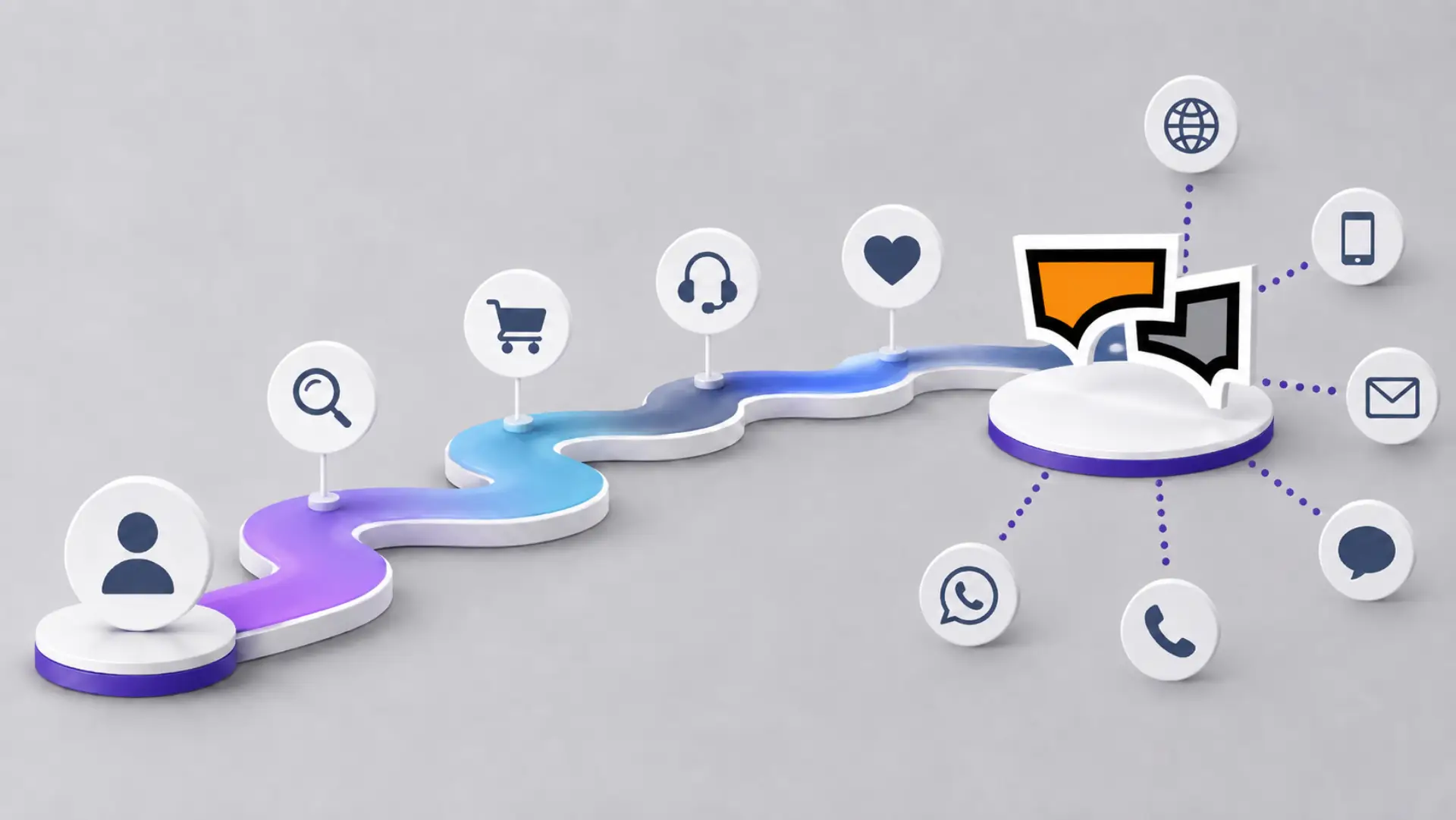
Customers prefer different ways to communicate. Some like emails, while others prefer SMS or WhatsApp. Choose the channel they use most. Using the wrong channel may lead to no response.
If a customer contacted you by email, follow up the same way. Phone calls work well for urgent matters. Social media messages can also be effective. Test different channels to see what works best.
Using multiple channels increases your chances of getting a response. Keep the message clear and friendly. The right channel makes follow-ups more effective and engaging.
2. Personalize Your Follow-Up
Customers respond better to messages that feel personal. Use their name in emails or messages. Mention their last purchase or service request. This makes them feel valued. Avoid generic messages that look automated.
Add small details to make it more engaging. For example, “Hi John, we hope you’re enjoying your new laptop!” feels more personal than “Thank you for your purchase.” Customers appreciate it when businesses remember them.
Personalized follow-ups build trust and increase response rates. A small effort in personalization makes a big difference. It shows you care about their experience.
3. Be Timely
Timing is very important in follow-ups. If you wait too long, customers may forget about you. If you follow up too soon, they might feel rushed. The best time depends on the situation. For example, after a purchase, follow up within a few days. If a customer asks a question, reply as soon as possible.
For abandoned carts, follow up within 24 hours. Timely messages show customers you care. They also increase the chances of getting a response. The right timing makes your follow-up more effective and meaningful.
4. Use a Clear CTA (Call to Action)
A follow-up should always have a purpose. Tell the customer what to do next. A clear call to action makes it easy for them. For example, “Click here to complete your order” is better than a vague message.
If you want feedback, ask them to fill out a short survey. Keep the CTA simple and direct. Too many options can confuse the customer.
Use buttons or links to make it easy. A strong CTA increases engagement and conversions. Without one, customers may ignore your message.
5. Balance Persistence and Patience
Follow-ups should be consistent but not annoying. If a customer does not respond, give them time. Sending too many messages can push them away. Space out your follow-ups wisely.
For example, wait a few days before sending a second message. If there’s no response after multiple attempts, stop and respect their choice. Customers appreciate businesses that are patient but attentive.
Use polite language in your messages. Let them know they can reach out anytime. Being persistent without pressure keeps the relationship positive.
6. Offer Value in Your Follow-Up
Customers are more likely to respond if they get something useful. Don’t just ask them to buy something. Instead, offer value in your follow-up.
This can be a discount, a helpful guide, or product tips. For example, after selling a coffee maker, send a guide on how to make the best coffee. Giving value makes follow-ups feel less like sales messages.
It builds trust and improves customer engagement. Customers appreciate businesses that provide helpful information. Offering value makes follow-ups more meaningful and effective.
7. Automate Your Follow-Ups
Manual follow-ups take time. Automation makes it easier and faster. Email marketing tools can send follow-ups at the right time. Chatbots can handle quick responses. Automated messages keep follow-ups consistent.
However, make sure they still feel personal. Add the customer’s name and relevant details. Avoid sounding robotic. Use automation for abandoned carts, feedback requests, or appointment reminders.
Automated follow-ups save time while keeping customers engaged. They help businesses stay in touch without extra effort. With an AI-powered chatbot like REVE Chat, you can instantly respond, nurture leads, and personalize interactions effortlessly.
8. Follow Up After Customer Support Interactions
Good service doesn’t end after solving a problem. Follow up to ensure the customer is happy. Ask if they need more help. A simple message like “Is everything working fine now?” shows you care. It also prevents future issues. If they are still unhappy, offer a quick solution.
Customers remember businesses that provide good aftercare. A follow-up after support builds trust and improves customer experience. It also increases loyalty.
Incorporating a ticketing system can greatly enhance this process. With REVE Chat’s ticketing system, you can easily track and manage customer inquiries.
9. Show Appreciation
A simple thank-you message makes customers feel special. After a purchase, send a quick appreciation email. Say thank you for choosing your business.
This small gesture strengthens relationships. Customers like feeling valued. If they leave a review, thank them personally.
A discount or special offer can also show appreciation. Loyal customers should receive extra gratitude. A little appreciation goes a long way in keeping customers engaged.
10. Use Multiple Touchpoints
Not all customers respond the same way. Some reply to emails, others prefer calls. If one method doesn’t work, try another. For example, if an email is ignored, send an SMS. Social media messages also work for engagement.
Multiple touchpoints increase the chances of a response. However, don’t overdo it. Space out your messages and use different formats. The goal is to reach customers where they are most active.
11. Ask for Feedback
Customer feedback helps improve your business. Ask customers about their experience. Sending a short survey after a purchase is effective. Please keep it simple and easy to answer. For example, “How was your experience? Rate us in one click.” Feedback shows customers that their opinions matter.
Integrating Live Chat into your customer service strategy can greatly enhance this process. With Live Chat, you can engage customers in real-time and prompt them for feedback right after their interaction.
This immediate response not only makes it easier for customers to share their thoughts but also shows that you value their input.
12. Remind Customers About Unfinished Actions
Many customers forget to complete their purchases. A gentle reminder can bring them back. Send a message if they abandon their cart.
A small discount or free shipping can encourage them. Use urgency, like “Only a few left in stock!” This creates excitement and pushes them to act. If they signed up but didn’t finish, remind them. A quick follow-up can recover lost sales.
13. Send Reorder or Renewal Reminders
For repeat products, remind customers when it’s time to buy again. For example, if they bought skincare, send a reminder when it may run out. Subscription services can remind users before their plan expires.
These follow-ups keep customers engaged and reduce churn. A small incentive, like a discount, can encourage reordering. Making it easy for them to repurchase increases long-term sales.
14. Celebrate Special Occasions
Customers love personalized messages on special days. Send birthday or anniversary greetings. Include a small gift or discount to make them feel appreciated. Special occasion follow-ups build emotional connections.
They also remind customers about your brand. A simple “Happy Birthday! Enjoy 10% off today” can boost engagement. Celebrating milestones makes customers feel valued and increases loyalty.
15. Follow Up After Events or Webinars
After an event, follow up with attendees. Thank them for joining and sharing key takeaways. Include a link to watch the event again or access extra resources.
If the event had a special offer, remind them about it. Follow-ups after webinars keep the conversation going. It also helps convert attendees into customers. Engaging after an event makes your brand more memorable.
Using these follow-up strategies helps businesses stay connected with customers. It improves satisfaction, boosts sales, and builds lasting relationships.
Conclusion
Customer follow-up is the key to stronger relationships and higher sales. A simple message can turn a one-time buyer into a loyal customer. Whether through emails, messages, or calls, staying connected builds trust and keeps your brand on top of your mind. The right follow-up at the right time can boost engagement, reduce churn, and increase conversions.
Start applying these strategies today, and watch your customer relationships grow. Every follow-up is a chance to show you care. So, don’t miss it!
Frequently Asked Questions
Customer follow-up is crucial because it helps build trust and loyalty. It shows customers that you value their business and care about their experience. Effective follow-ups can also lead to repeat purchases and positive word-of-mouth.
The best ways to follow up include personalized emails, automated messages, phone calls, and using live chat. Each method allows for different levels of engagement and can be tailored to the customer’s preferences.
You can automate customer follow-ups by using email marketing tools, CRM systems, and chatbots. These tools can help schedule messages, manage customer interactions, and send reminders for abandoned carts or feedback requests.
A follow-up message should include a friendly greeting, a reference to the previous interaction, and a call to action. Personalizing the message with the customer’s name and relevant details will make it more engaging.
The frequency of follow-ups depends on the context. After a purchase, a follow-up within a few days is ideal. For ongoing interactions, aim for regular check-ins, but avoid overwhelming the customer. Quality is more important than quantity.